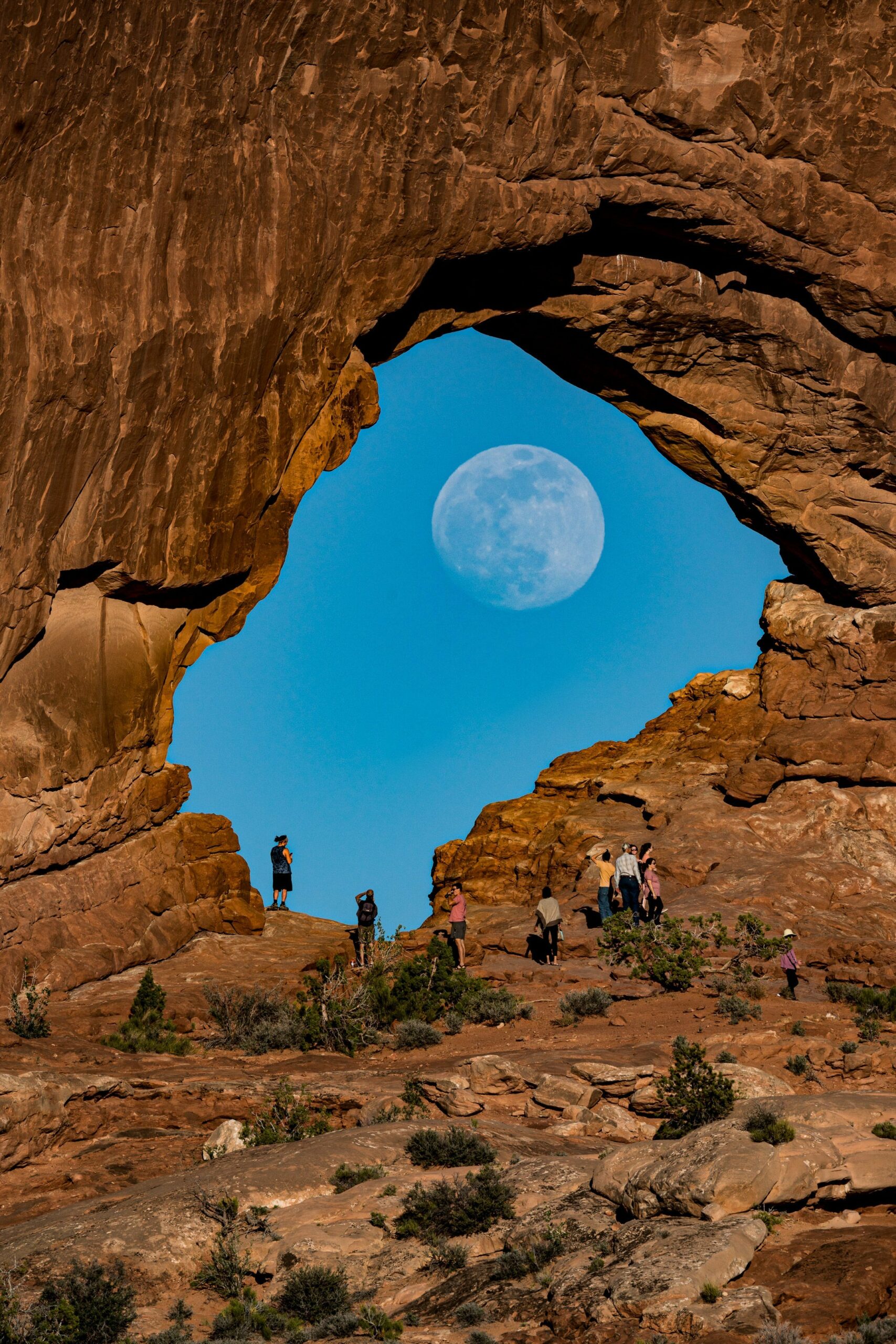
On first glance, the rusty sandstone rock formations of Arches National Park seem impossible. The intricate arches tower above you, perfectly framing patches of blue sky and puffy clouds or distant mountains. There are more than 2,000 arches within the national park’s boundaries. Their different names capture the awe and wonder of each — Delicate Arch, North Window, Turret Arch, Skyline Arch.
It took 300 million years of natural processes to carve each of the elegant arches that the national park is known for. However, the arches are just one of the reasons this park is worth visiting.
Start the day smarter. Get all the news you need in your inbox each morning.
Here’s what to know about Arches National Park and the things to do while you’re there.
Where is Arches National Park?
Arches is located in southern Utah near the Colorado state line. The nearest community is Moab.
Why Arches National Park matters?
It wasn’t Utah’s first national park (that title goes to Zion National Park), but it certainly stands out as one of the most beautiful.
It’s also located within the ancestral homeland of 10 Indigenous tribes, including the Hopi, Navajo and Zuni. Archeologists have found proof that groups of hunter-gatherers entered the area shortly after the Ice Age ended. Within the park and the Four Corners area, they found the perfect rocks for making stone tools. About 8,000 years later, these groups began growing plants like maize, beans and squash.
As you explore Arches National Park, you can take in the beautiful arches, ponder the forces that created them and envision the people who called the area home thousands of years before Utah and the United States ever existed.
Walking among the towering formations, you’re reminded of how much has changed in the course of human history. As the rocks eroded and wore away into their iconic shapes, there were people who hunted, gathered and farmed beside them.
You can see debris piles left behind by the tool makers and the petroglyphs they carved into the rocks. These relics stand as reminders of those who came before and set the scene of what life was like in this part of the nation’s western deserts.
What to see at Arches National Park?
Obviously, when you’re at Arches National Park, you want to see the namesake rock formations. You have the choice of three different sections of the park, which allow you to see several different formations from a single hike or scenic vista.
Delicate Arch is perhaps the most famous in the park. With the arch’s opening measuring 46 feet high and 32 feet wide, it is certainly the largest free-standing arch in the park. You can take the full 3 mile roundtrip hike to see it up close and personal or just walk 100 yards to see it from a vista point.
If you prefer to see more arches all in one go, you can take an 18 mile scenic drive for a different vantage point on these iconic formations.
There are also opportunities for backpacking, camping, biking, canyoneering, horseback riding and rock climbing for those who want to try other outdoors activities.
Don’t forget to take advantage of the park’s dark night skies, giving you a plethora of opportunities to enjoy celestial phenomena nearly impossible to see near city lights.
What locals recommend
Moab is the ideal base camp for a visit to Arches National Park. To really experience the spirit of the small community, you should get outdoors.
Moab is a hub for hiking, biking, rafting, off-roading and bird watching. It’s also close to nearby parks like Canyonlands National Park, Deadhorse Point State Park and Utahraptor State Park.
If you’re looking for a good spot to eat, locals recommend Trailhead Public House & Eatery, 98 Center and Cactus Jacks.
Plan your visit to Arches National Park
- Learn more:https://www.nps.gov/arch/index.htm
- Best time:The most popular seasons to visit are April-May and September-October when the temperatures are more moderate. During the summer, daytime highs can exceed 100 degrees. In the winter, lows can range from 0 to 20 degrees and highs average 30 to 50 degrees.
- Hours:The park is open 24 hours a day every day.
- Admission:The fee for private vehicles is $30 and $25 for motorcycles. The per person fee is $15.
- Getting there:There is no public transportation to the park. To plan your trip, visit nps.gov/arch for maps and directions.
This article originally appeared on Arizona Republic: Why Arches National Park in Utah changes how you see time
A Landscape Shaped by Time
Arches National Park is a testament to the power of nature over millions of years. The unique rock formations, including the famous arches, were created through a combination of geological forces such as erosion, weathering, and tectonic activity. The red sandstone that makes up the park’s landscape was deposited during the Jurassic period, when the area was covered by a shallow sea. Over time, the water receded, and the layers of sediment hardened into rock.
The formation of the arches themselves began with the dissolution of salt deposits beneath the surface. As these salts dissolved, they created voids that eventually led to the collapse of overlying rock layers. This process, along with wind and water erosion, shaped the delicate structures that now define the park.
Must-See Attractions
While the arches are the main draw, Arches National Park offers a variety of other attractions that make it a must-visit destination. Some of the most popular spots include:
- Delicate Arch: One of the most iconic landmarks in the park, this freestanding arch is a favorite among photographers. It requires a short hike to reach, but the view is well worth the effort.
- North Window and South Window: These two arches are often photographed together, creating a dramatic backdrop against the desert landscape.
- Turret Arch: Known for its towering columns, this arch is a great spot for sunrise or sunset photography.
- Skyline Arch: Located along the Windows Trail, this arch offers panoramic views of the surrounding canyons and mesas.
Activities for All Travelers
Whether you’re an avid hiker, a nature lover, or simply looking for a peaceful escape, Arches National Park has something for everyone. Some of the best ways to experience the park include:
- Hiking: The park offers trails ranging from easy walks to more challenging hikes. Popular routes include the Devils Garden Trail, which takes visitors past several arches, and the Fiery Furnace, a labyrinthine canyon that requires a permit to explore.
- Photography: With its vibrant colors and unique rock formations, the park is a photographer’s dream. Early mornings and late afternoons offer the best light for capturing the beauty of the landscape.
- Stargazing: Due to its remote location and minimal light pollution, Arches National Park is an excellent place for stargazing. On clear nights, visitors can see thousands of stars and even the Milky Way.
Tips for Visiting
If you’re planning a trip to Arches National Park, here are a few tips to keep in mind:
- Best Time to Visit: Spring and fall are ideal times to visit, as the temperatures are more moderate. Summer can be extremely hot, while winter brings cold nights and potential snowfall.
- Stay Hydrated: The desert climate can be unforgiving, so it’s essential to carry plenty of water, especially if you’re hiking.
- Respect the Environment: Leave no trace and follow park guidelines to help preserve the natural beauty of the area.
Arches National Park is more than just a collection of arches — it’s a place where time, nature, and human curiosity come together in a breathtaking display of geological artistry. Whether you’re standing beneath a towering arch or exploring the rugged canyons, the experience is sure to leave a lasting impression.