A Hidden Gem in the Aegean
For over four decades, I have been exploring Greece, experiencing both its enchanting beauty and its less appealing sides. My most recent trip to Santorini left me disillusioned, as the island had transformed into a tourist haven, far from the authentic experience I sought. This prompted me to look for a different destination, one where tourism was not the dominant force. That search led me to Chios, an island that had remained unknown to me and many of my British peers.
Upon arrival, the first impressions were promising. The dark sky greeted me as my small plane landed, and the moonlit Aegean sparkled before me. A short taxi ride and a walk through a quiet lane brought me to a grove of lemon trees, leading to a grand old plantation house. There, my host Vangelis welcomed me with a hearty meal, setting the tone for an unforgettable stay.
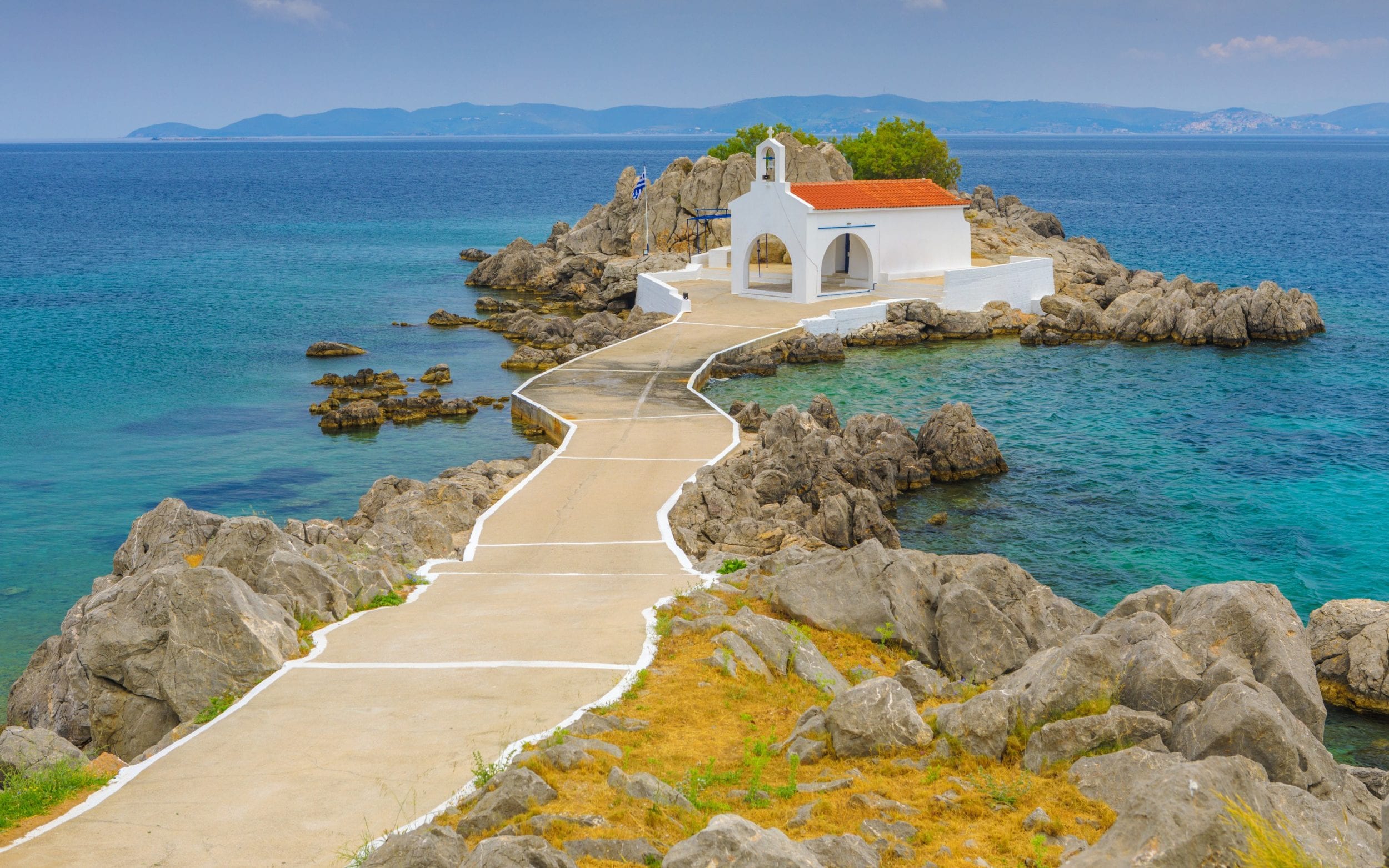
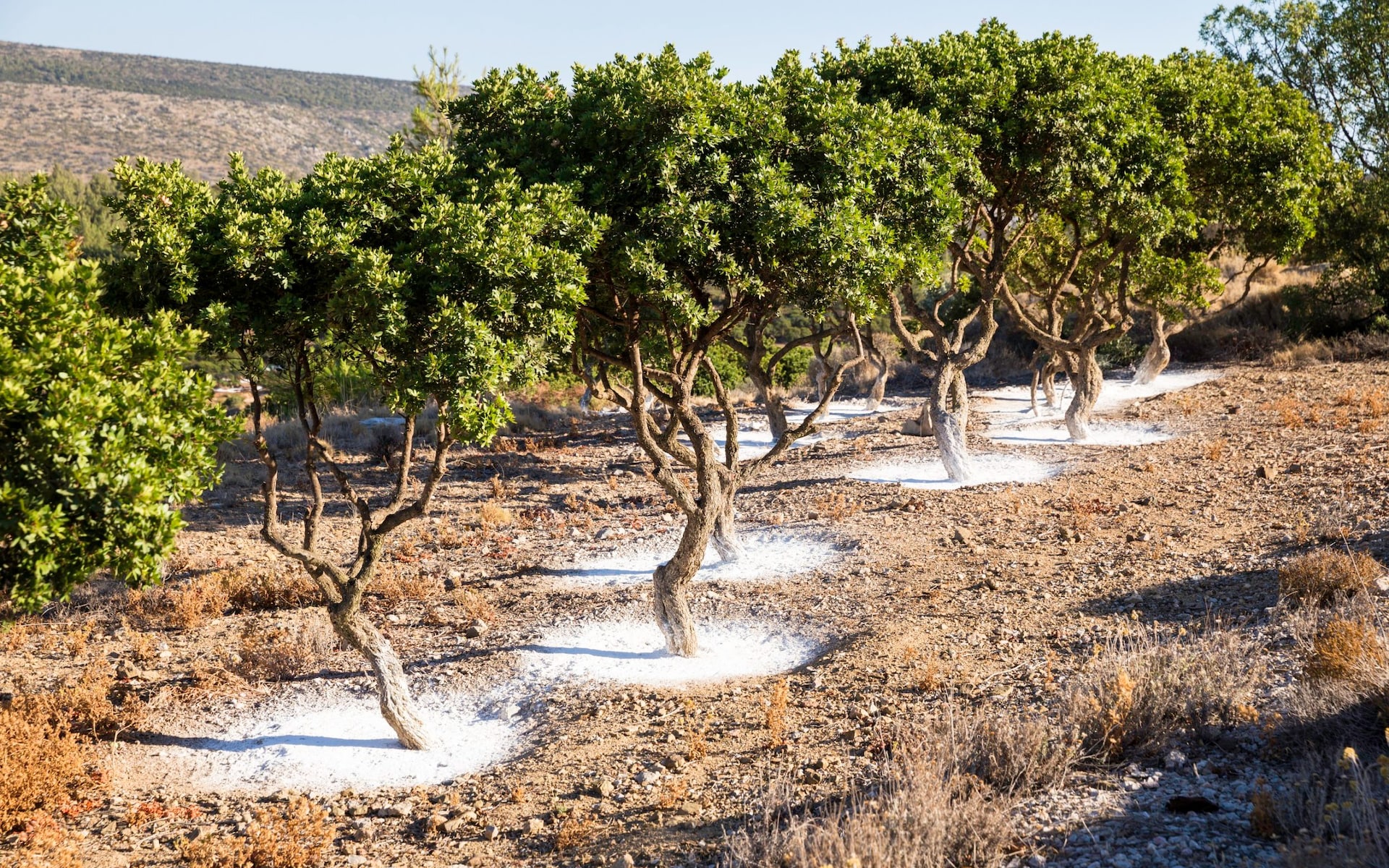
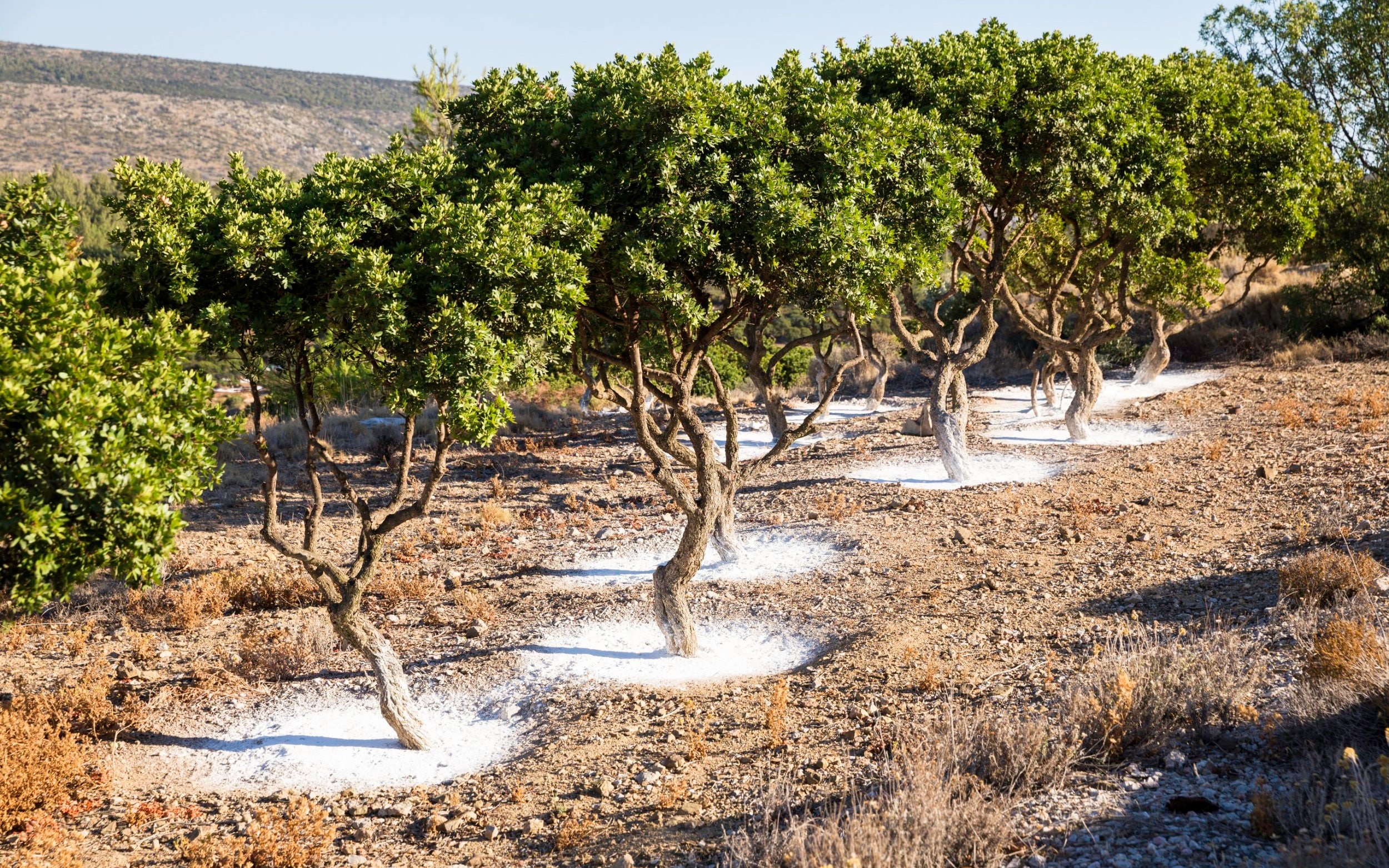
Over dinner, under a star-filled sky, my Greek guides Elena and Maria shared insights about Chios. Located between Samos and Lesbos, this island is significantly larger than Santorini. Despite its size, it remains relatively untouched by mass tourism. The reason, they explained, lies in mastica – a resin derived from the mastic tree, unique to Chios.
Mastica has been a cornerstone of Chios’ economy for centuries, known for its healing properties and used in various products. However, this wealth also attracted invaders, leading to historical tragedies like the 1822 massacre, which drastically reduced the population. Despite this, the island has maintained a low profile, making it an ideal escape for those seeking a more authentic travel experience.
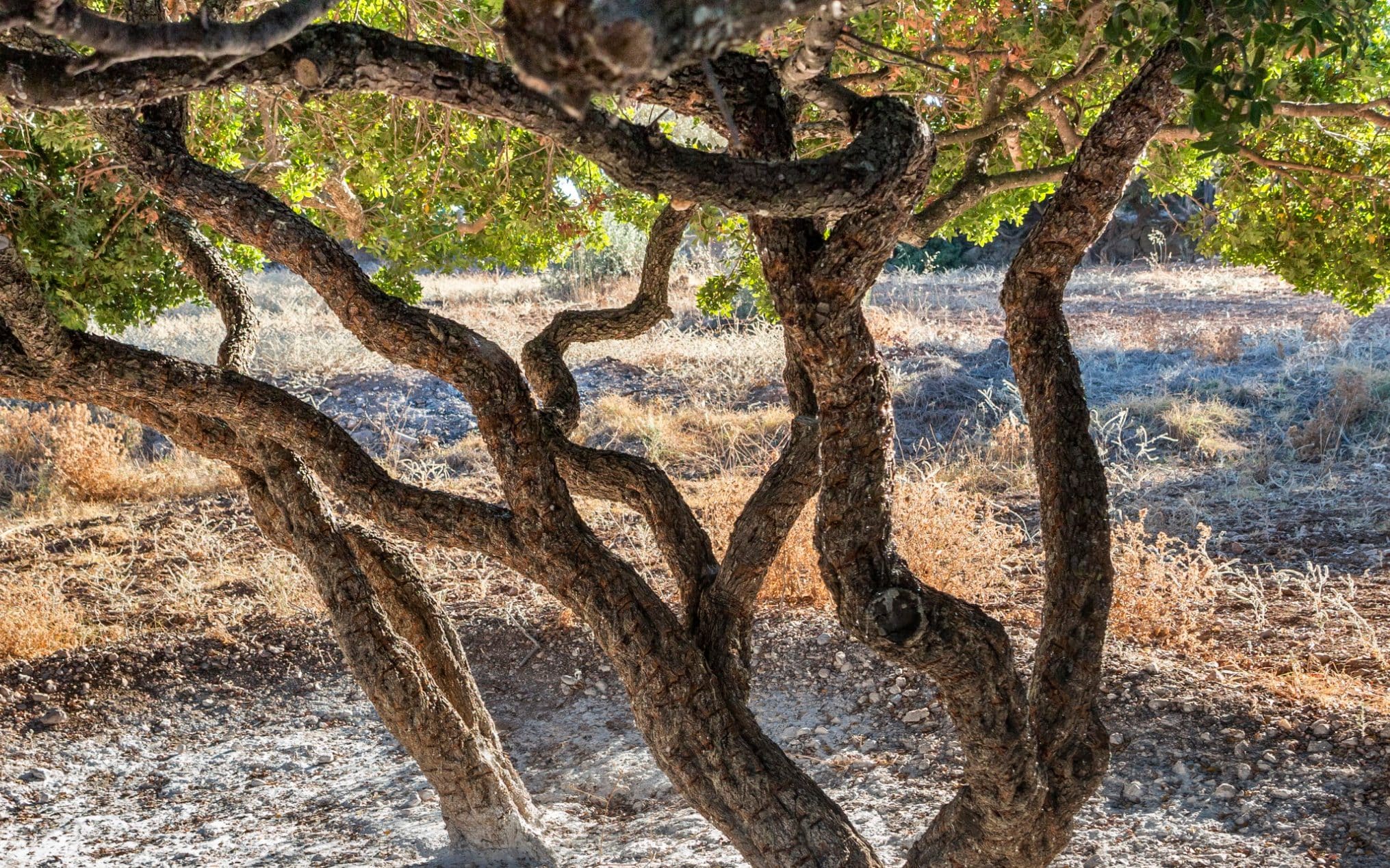
My journey around the island began with a tour of Kampos, a region surrounded by citrus plantations. The area, once dominated by mastic trees, now features a mix of agricultural activities. Vangelis, my host, has diversified his operations, transforming another plantation into a café and museum.
I then visited Dimitris Morakis, the last boatbuilder on the island. His workshop, filled with nautical relics, showcased his craftsmanship. Over ouzo and sardines, he shared stories of the sea’s significance in Chiotan culture.
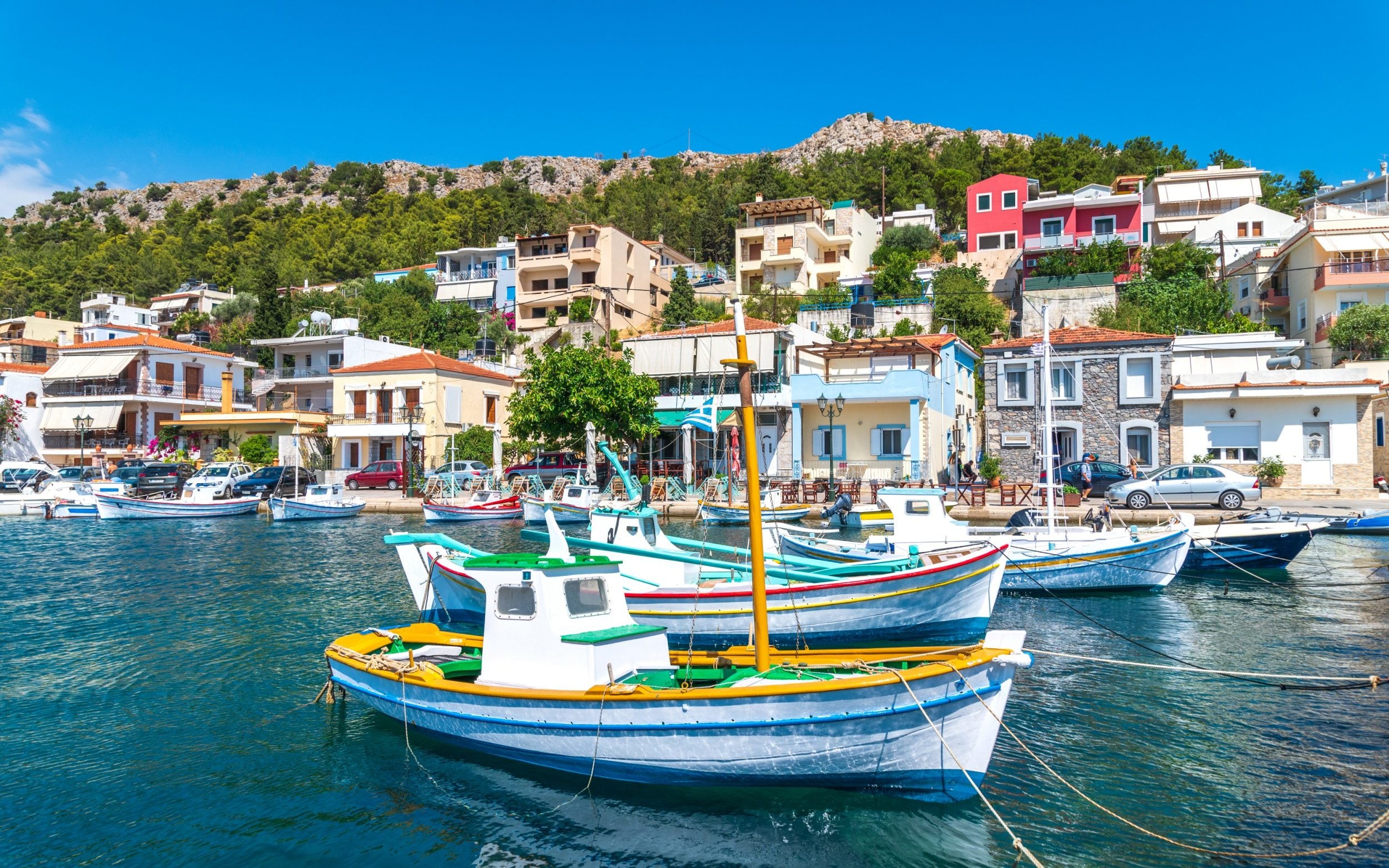
Chios Town, the island’s capital, blends modernity with history. The Koraes library, housed in a Neoclassical building, offers a glimpse into the island’s past. Dinner at Vradipus, within the old castle walls, highlighted the town’s charm, with its mix of restored buildings and romantic ruins.
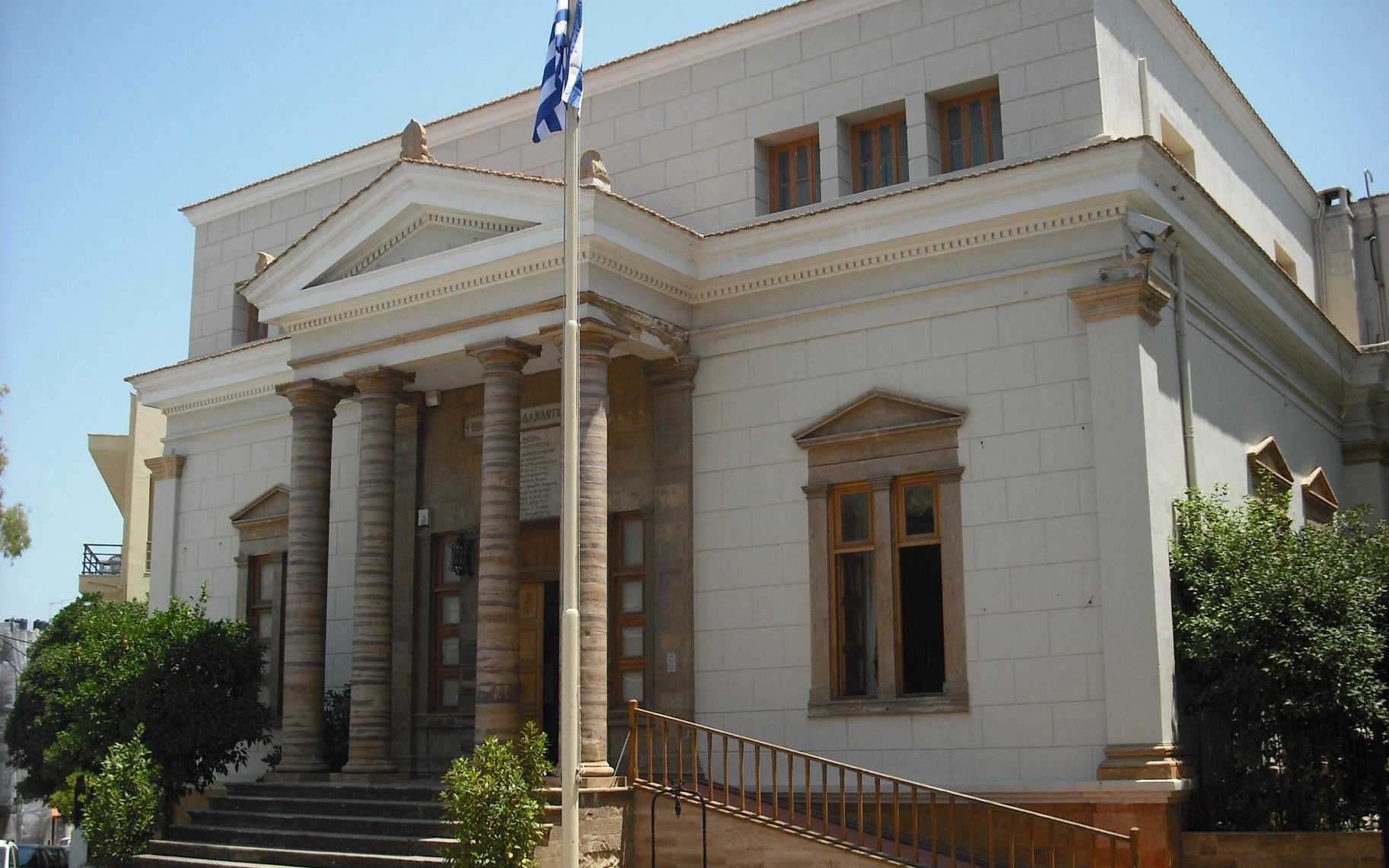
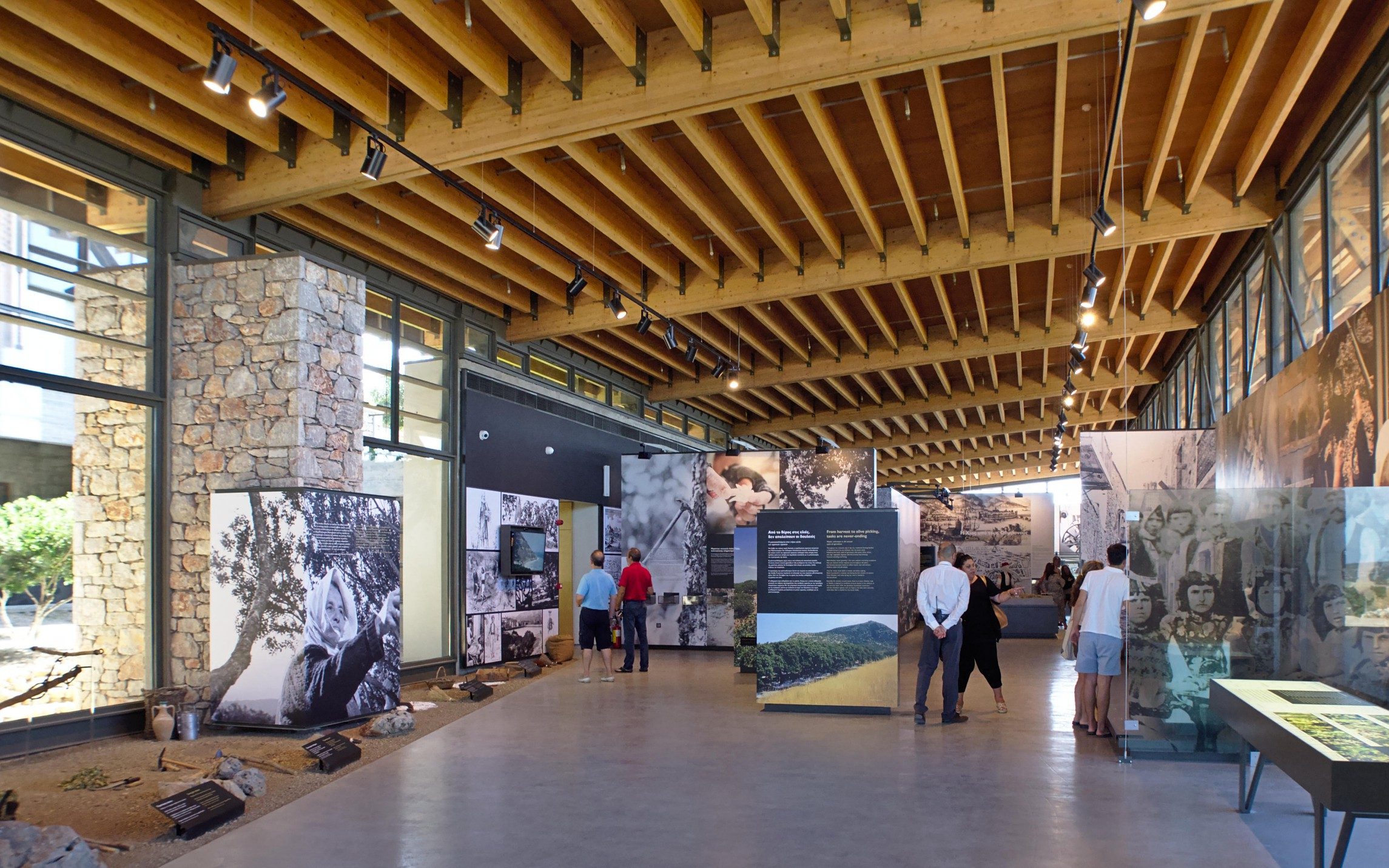
The next day, I explored the mastic plantations, visiting the Mastic Museum. The exhibition provided insight into the history and significance of mastica. The plantations themselves, while beautiful, are overshadowed by the fortified villages scattered across the island.
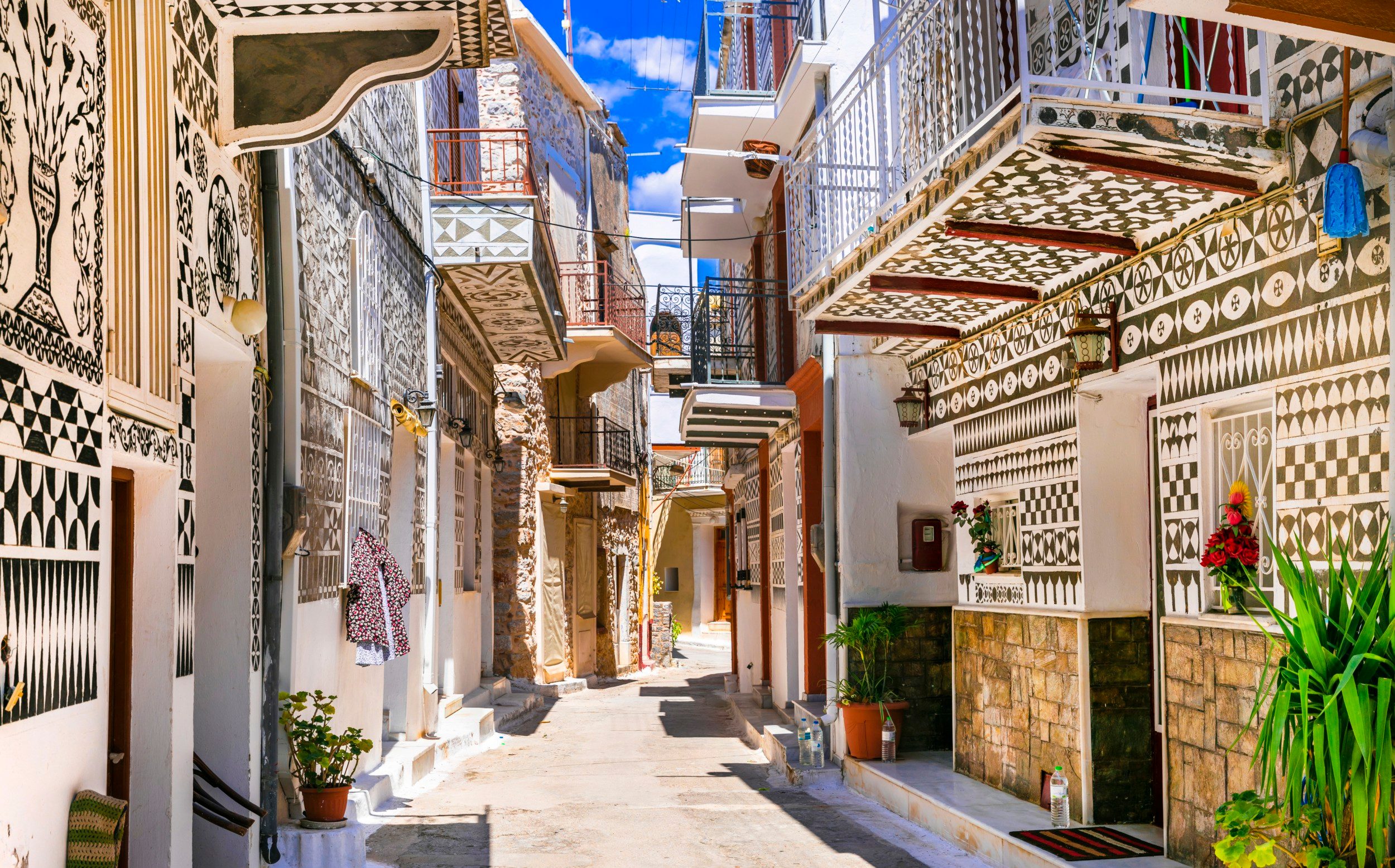
Mesta, one of the best-preserved villages, offered a glimpse into the past, while Pyrgi, with its sgraffito walls, captivated me. In Kalamoti, traditional songs echoed through the cobbled square, accompanied by local delicacies.
On my final day, I ventured north to Astyfidolakkos, meeting Antonis and Stavrini, a shepherd and shepherdess living a simple life. Their resilience and happiness were inspiring. I then visited Pitios, where I learned to make pasta with Aleka and Evi.
A visit to Anavatos and Avgonyma concluded my journey. Watching the sun set over the sea, I reflected on the lyrics of a Greek song: “As long as you’re alive, shine. Don’t be sad at all. Life is short. Time demands its due.”
How to Visit Chios
Fly to Chios via Athens from London Heathrow or Manchester with Aegean. Rent a car from Avis. Doubles at Perleas Mansion from €135 per night, including breakfast. For more information, visit Discover Greece.
Recommended Travel Tips
- The 20 greatest holidays in Greece for 2026
- Read more
- Sign up to the Front Page newsletter for free: Your essential guide to the day’s agenda from The Telegraph – direct to your inbox seven days a week.