The Struggle for Natural Gas Supplies in a Changing World
The Middle East has long been the heart of global energy supply, with the Strait of Hormuz serving as a critical artery for the flow of oil and natural gas. However, recent geopolitical tensions have disrupted this balance, leading to a scramble among nations like China, Japan, and South Korea to secure their energy needs. This situation is not only affecting the availability of supplies but also driving up prices and complicating the management of storage facilities.
A Shift in Shipping Routes
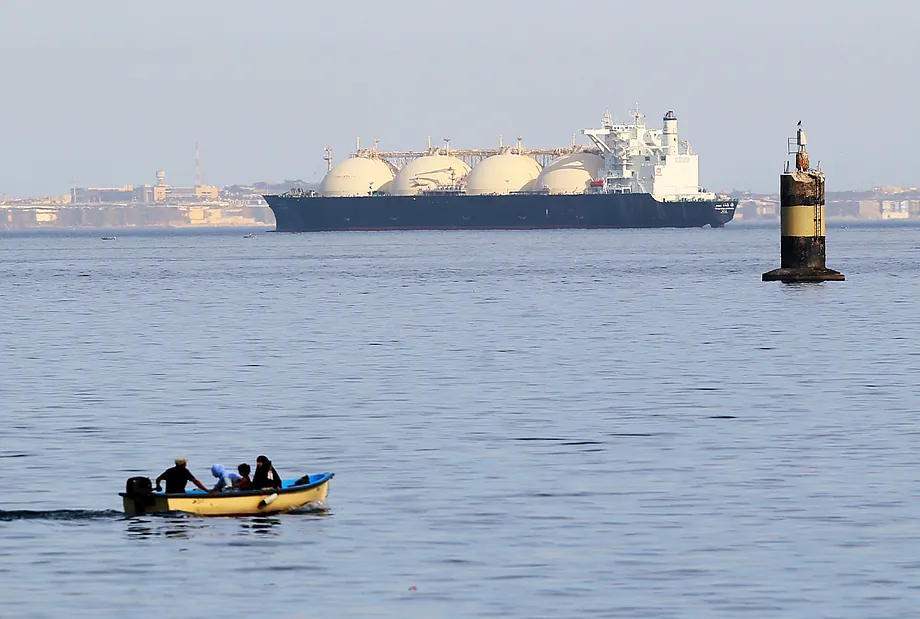
Recent developments have shown that some liquefied natural gas (LNG) tankers are changing course from Europe to Asia. This shift is a direct response to the blockade of the Strait of Hormuz, which has significantly impacted the supply chains of several Asian countries. One notable example is a ship carrying Nigerian gas that was originally heading to France but altered its route to Asia. According to Kepler monitors, a platform that tracks commodity market intelligence, there have been three such instances since the conflict began. Industry sources suggest that more ships may be diverted, though not all changes are immediately visible.
While the number of diverted ships may seem small, it is important to consider the scale of daily imports. The European Union typically receives between four and five LNG shipments each day. The three diverted vessels carried approximately 536,000 cubic meters of LNG, enough to fill 215 Olympic-sized pools or provide heating for about 2.5 million European homes for a month.
The Concept of “Lifting” and Its Implications
This phenomenon, known as “lifting,” where one region steals shipments from another, is causing concern among European gas infrastructure managers. The situation is exacerbated by the fact that most of the gas from the Persian Gulf was destined for Asia. The suspension of production in Qatar, particularly at the Ras Laffan industrial complex, has left Asian countries in a vulnerable position. Even if traffic through the Strait of Hormuz were to resume, it would take at least four weeks to return to normal operations, meaning that two months of Qatari supply could be lost regardless of how the conflict unfolds.
Competition for Limited Resources
For the European Union, Qatar represents less than 4% of its gas imports, but for Asia, the dependency is much higher. This has led to a frantic competition between Asian and European buyers to secure available LNG shipments and vessels. Countries like China, Japan, and Southeast Asia are paying premium prices for LNG, especially from Nigeria, which has been known to break contracts to deliver gas to those willing to pay high prices. This trend echoes previous actions during the Ukraine war, where similar strategies were employed.
Geopolitical Factors and Rising Costs
Geopolitical circumstances have also driven up maritime transport costs, which, ironically, benefits Europe as it manages the diversion of shipments to Asia. The lack of available ships has led to a significant increase in charter rates, with some sources indicating that no one dares to charter ships at levels of $300,000 per day. This situation is further complicated by the need for European countries to fill their reserves before winter, adding to the pressure on the global LNG market.
Potential Shifts in Energy Use
Another factor that could influence the situation is the potential shift from gas to coal in some Asian countries. As gas prices rise, countries like China, India, Pakistan, and Bangladesh may relax their restrictions on coal use to compensate for the natural gas shortage. This could lead to a temporary increase in coal consumption, impacting both the environment and energy markets.
The Future of Energy Markets
Gas prices in Europe have risen to around 50 euros/MWh, compared to 35 before the war. While this is still far from the levels seen during the invasion of Ukraine, the ongoing conflict in the Middle East could lead to further price increases. The duration of the conflict will play a crucial role in determining the impact on electricity bills and overall energy costs.
For the European Union, the upcoming period of filling gas storage facilities, usually starting in April, will be a critical test. The race to secure supplies will likely be more costly and risky this year, as the Old Continent may face competition from half the world for the same floating shipments if the blockade in the Strait of Hormuz persists.
As the global energy landscape continues to evolve, the interplay of geopolitical tensions, market dynamics, and environmental considerations will shape the future of energy supply and demand.