The Power of Places That Stopped
There is something deeply unsettling, almost hypnotic, about standing in a place where time simply stopped. Not metaphorically. Literally. Where a last meal sits half-eaten, where a clock hands froze mid-second, where a city breathed one morning and never breathed again. These are not monuments built to honor the past. They are the past, preserved by catastrophe, disaster, or sheer historical force. Across the world, a handful of sites carry that extraordinary weight. They are not museums in the traditional sense. They are wounds in the earth, sealed and visible. Each one tells a story not through curated displays, but through the raw, unfiltered evidence of what happened.
Pompeii, Italy: The City That Never Got to Finish Its Day
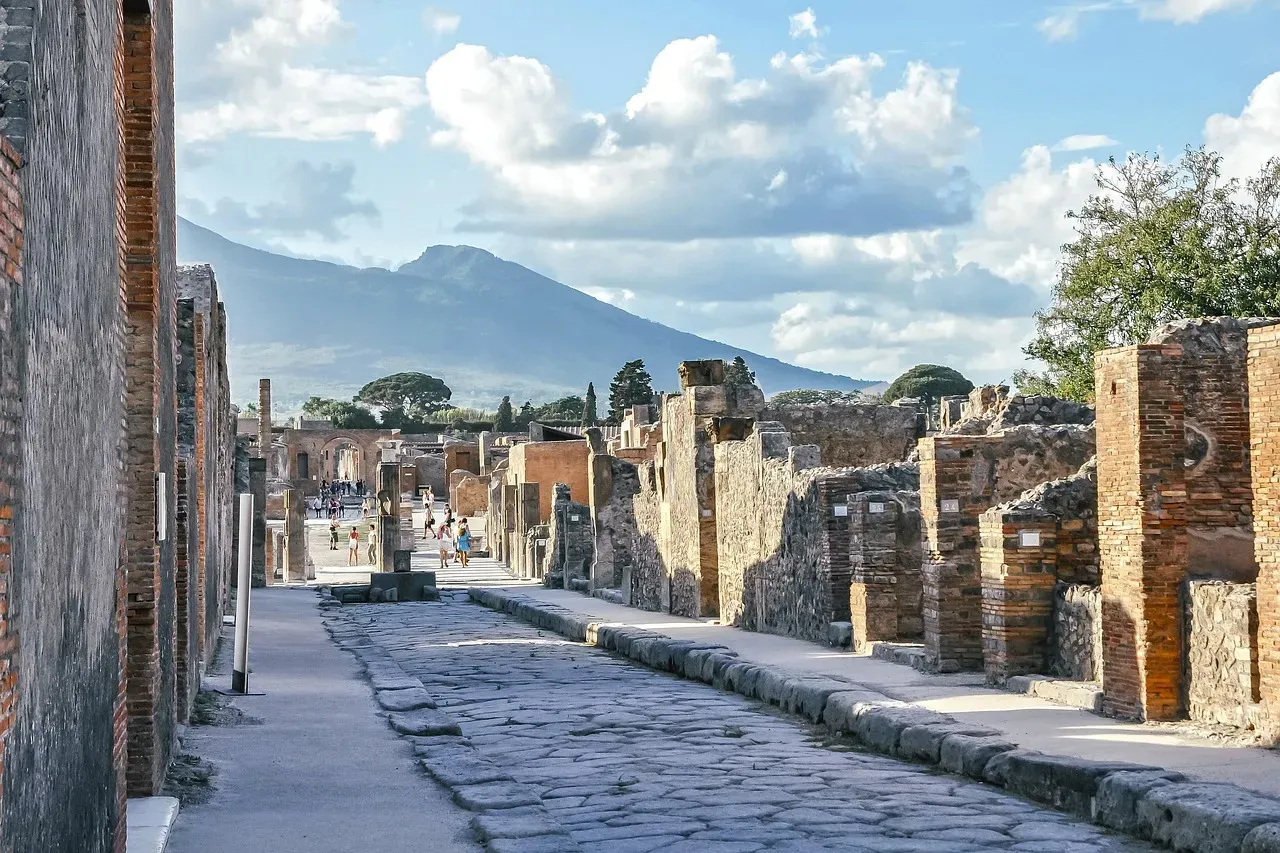
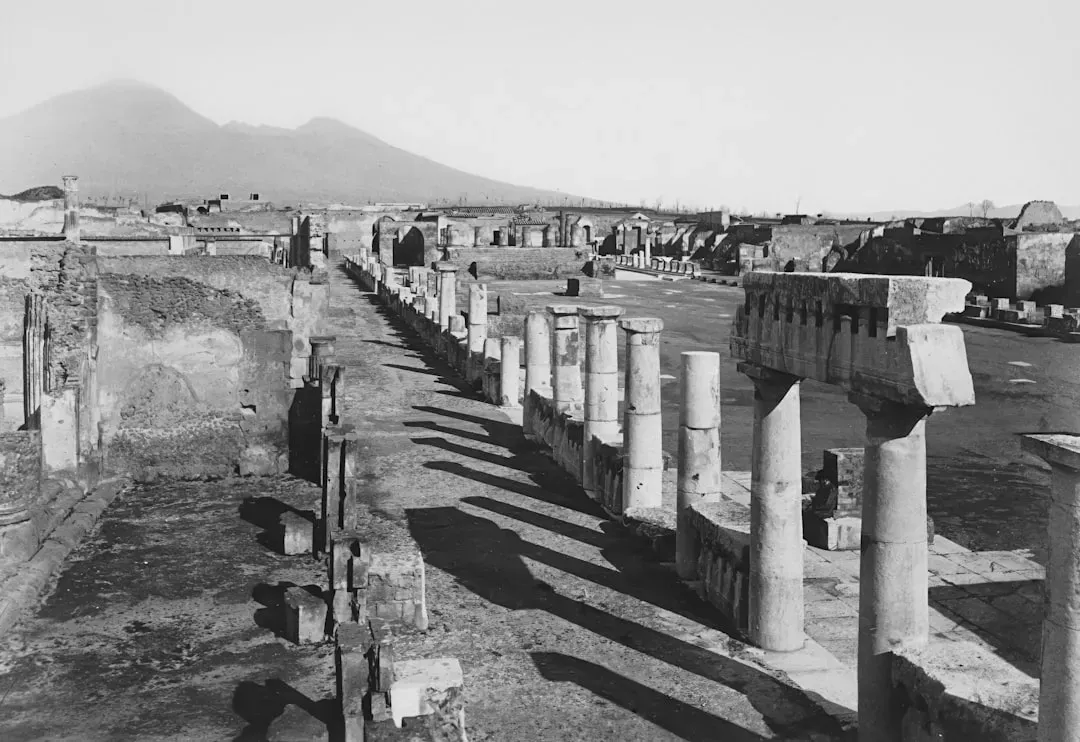
Imagine an entire city, mid-conversation, mid-meal, mid-everything – and then silence. It is perhaps the most jaw-dropping example of a place frozen in time that has ever been discovered. The sheer scale of preservation is almost impossible to wrap your head around. Almost a third of the city is still buried under volcanic ash, which means archaeologists are still, in 2026, pulling back the curtain on scenes that have not been seen in nearly two millennia. The excavation project includes 13,000 rooms in 1,070 residential units, as well as public and sacred areas. That is not a dig site. That is an entire living world waiting to be uncovered. In 2024, archaeologists discovered a construction site that appears to have been in use when Vesuvius erupted, offering insight into the same kind of engineering practices that gave rise to architectural marvels like the Colosseum, the Pantheon, and the Baths of Caracalla. The workers never came back to finish the job. They never got the chance. The Archaeological Park registered over 4 million and 87 thousand visitors in 2023 and 4 million and 177 thousand in 2024, making it one of the most visited ancient sites on the planet. It has been a UNESCO World Heritage Site since 1997 and shows absolutely no signs of losing its grip on the world’s imagination.
The House of Helle and Phrixus: A Family’s Last Desperate Stand
A recent archaeological campaign at Pompeii revealed how one desperate family tried to prolong their inevitable fate by trying to block a door that was buckling under the weight of volcanic ash, in the so-called House of Helle and Phrixus, which is named after a mythological painting adorning one of its walls. It reads like a scene from a disaster film, except it is absolutely real. The house’s residents took refuge in a bedroom during the eruption, and while excavating the room, archaeologists uncovered the remains of a bed frame that the family had used to barricade the door. Small fragments of volcanic rock called lapilli were accumulating in the property at an alarming rate, and blocking the door was a last-ditch effort to stop the material from entering their final place of safety. Ultimately, the remains of four individuals were found inside, including those of a child. There are no words that adequately do justice to that discovery. A family huddled together in the dark, pushing a bed frame against a door. Honestly, few moments in all of recorded archaeology carry quite that emotional weight.
Pompeii’s Living Rooms: Frescoes, Food Bars, and Children’s Drawings
In 2021, archaeologists uncovered the remains of a thermopolium, the ancient Roman equivalent of a snack bar selling food and drink. Thermopolia were popular throughout the Roman Republic, sustaining working-class families who did not have kitchens inside their own homes. Animal remains found inside this particular thermopolium, including pig, duck, goat, and fish bones, give us an impression of the dishes they may have served. Aside from meaty stews, these establishments also sold salted fish, baked cheese, and spiced wine. It sounds like a fairly good lunch spot, honestly. In 2024, archaeologists found a series of charcoal sketches decorating the unplastered walls of a residency nicknamed the House of the Second Last Supper. The quality of the sketches and their height off the ground suggest they were made by children. Researchers from the University of Naples Federico II believe the sketches of gladiators, boxers, hunters, birds of prey, and sports games may have been based on real-life observations, suggesting that even the more violent parts of Roman civilization were not hidden from its youngest inhabitants. Archaeologists also unearthed an intricately decorated blue room, interpreted as an ancient Roman shrine known as a sacrarium, during recent excavations in central Pompeii. “Every single season of digging seems to deliver something that rewrites a small part of what we thought we knew.” Another series of frescoes, found in 2025, offers an elaborate showcase of Dionysian revelry.
Pearl Harbor, Hawaii: Where a Morning Became a Turning Point
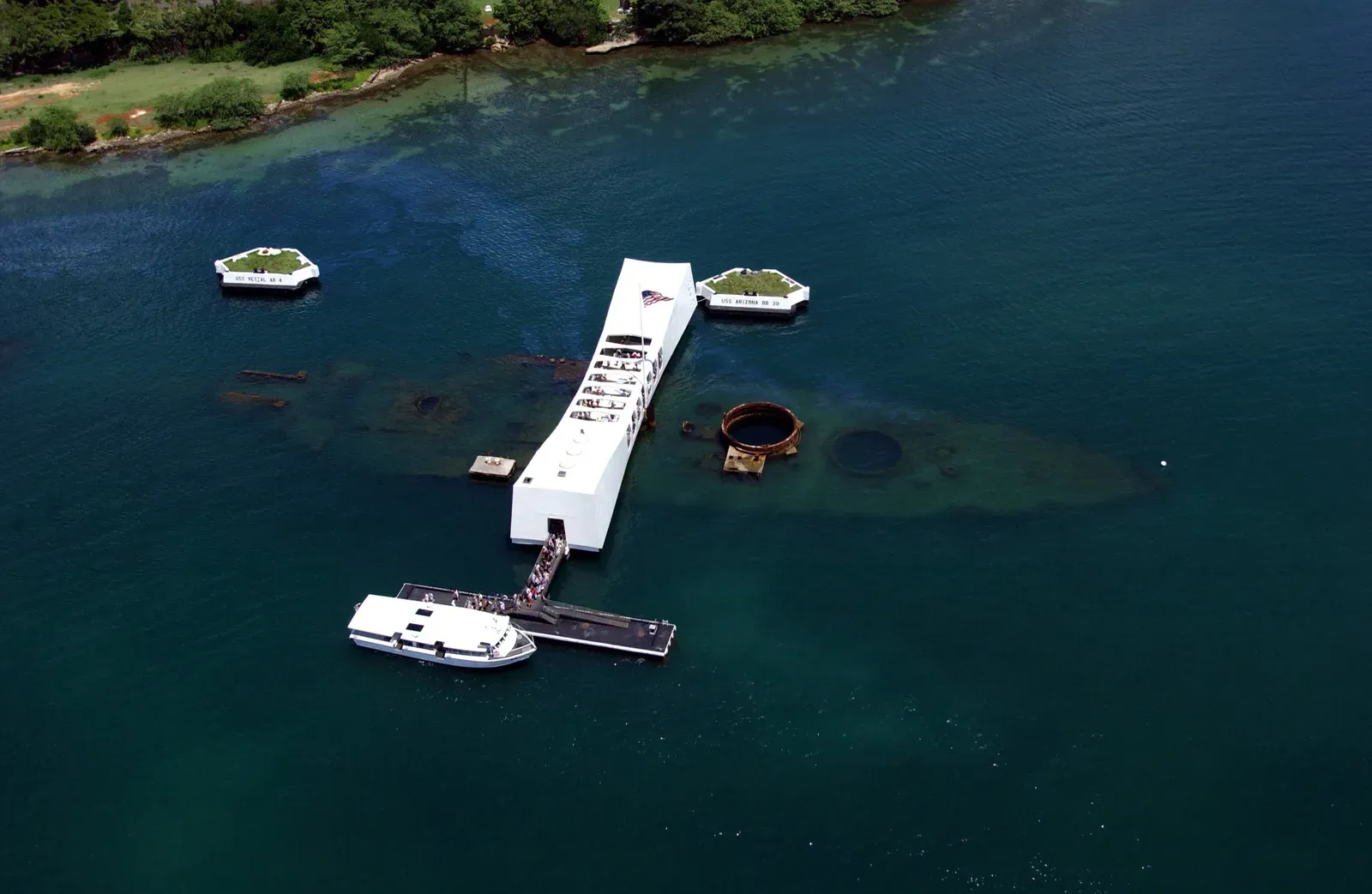
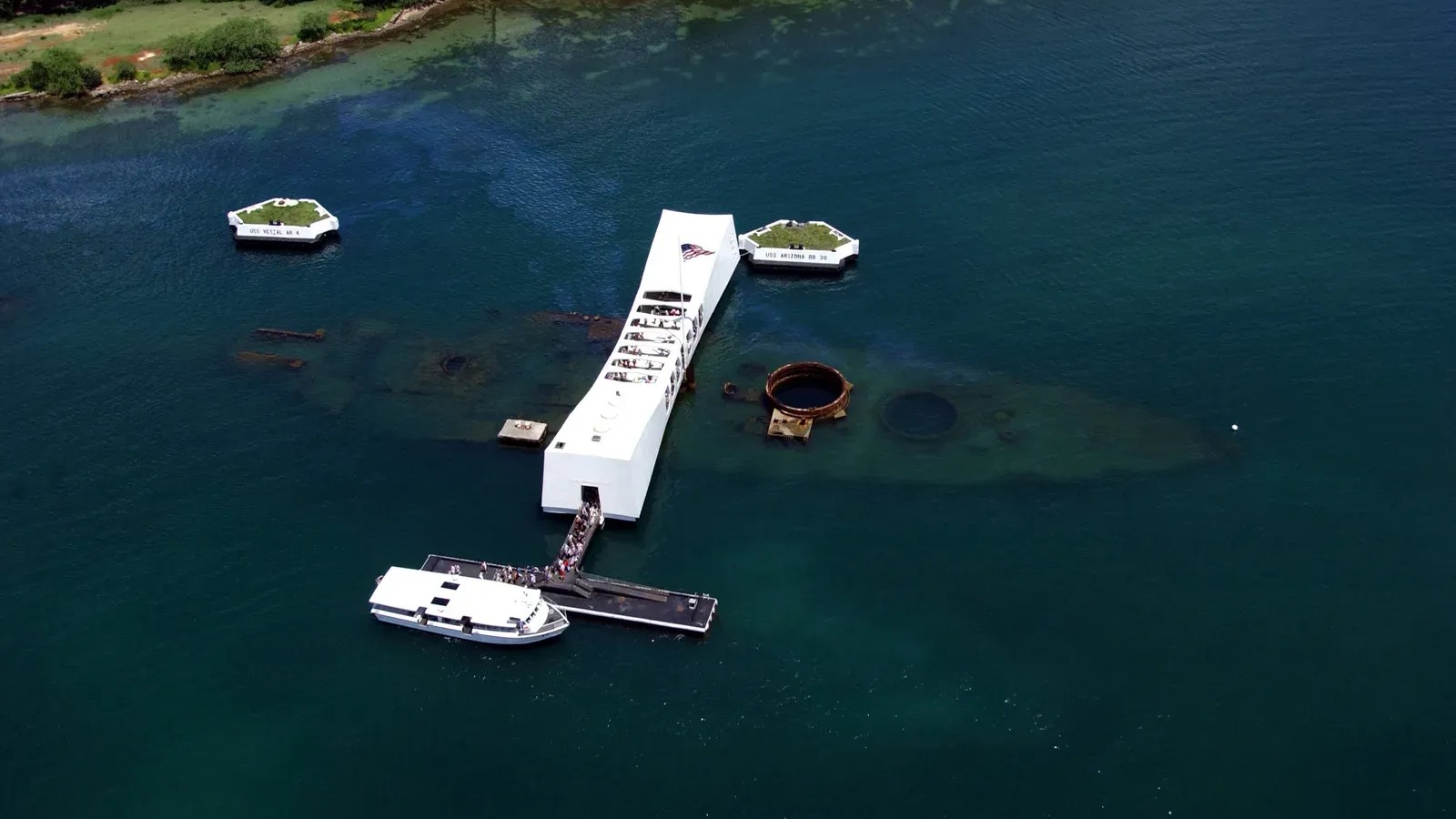
There are places that define a nation’s trajectory. Pearl Harbor is one of them. On a quiet Sunday morning, the USS Arizona Memorial marks the resting place of 1,102 of the 1,177 sailors and Marines killed on USS Arizona during the attack on Pearl Harbor on December 7, 1941. The number is staggering. Not abstract statistics – real men, many of them teenagers, who never came home. The memorial, built in 1962, is visited by more than two million people annually. Accessible only by boat, it straddles the sunken hull of the battleship without touching it. That detail, a building hovering over the dead without resting on them, is one of the most quietly powerful design choices in architectural history. With over 2 million visitors per year, Pearl Harbor is the most visited site in all of the Hawaiian Islands. Military cemetery. As survivors of the attack on Arizona died, many chose either to have their ashes scattered in the water over the ship, or to have their urns placed within the well of the barbette. The last survivor of Arizona, Lou Conter, died in April 2024 at the age of 102. With his passing, a living link to that morning finally closed. The pairing of USS Arizona and USS Missouri became an evocative symbol of the beginning and end of the United States’ participation in the war. Every United States Navy, Coast Guard, and Merchant Marine vessel entering Pearl Harbor participates in the tradition of “manning the rails,” with personnel standing at attention at the ship’s guard rails and saluting the USS Arizona Memorial in solemn fashion as their ship slowly glides into port. That tradition sends a chill down the spine every single time.
Auschwitz-Birkenau, Poland: The Site That Must Never Be Forgotten
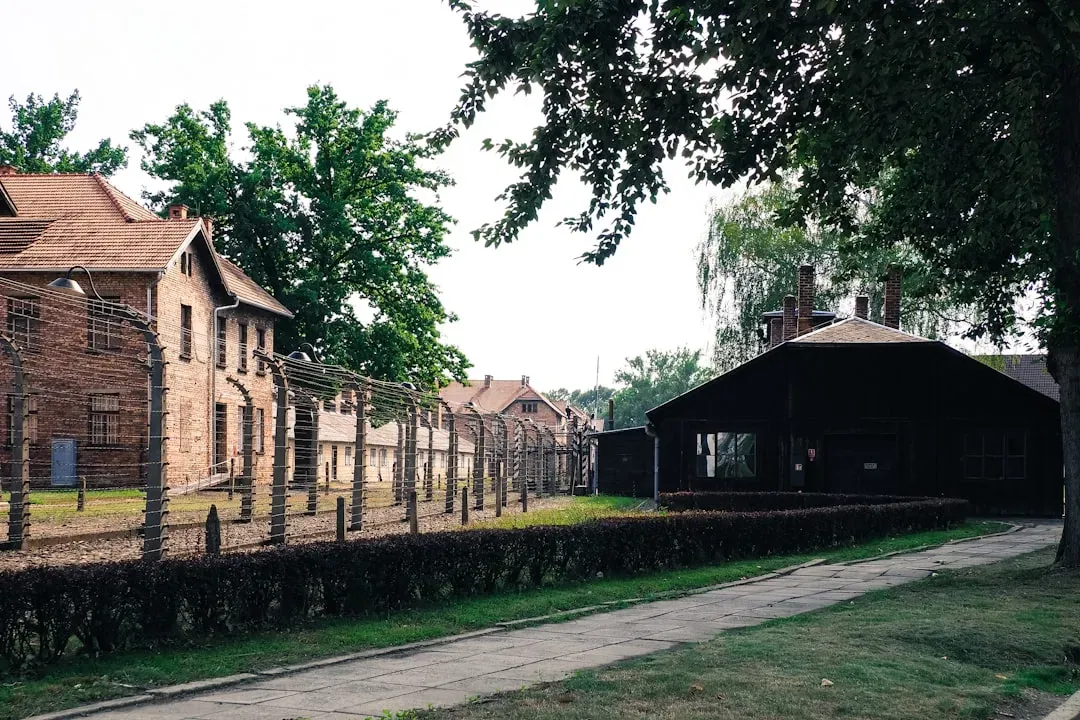
Auschwitz stands as the world’s most visited Holocaust tourism destination. 1 million people died here between 1940 and 1945. The Auschwitz-Birkenau Memorial and Museum preserves original barracks, belongings, and photographs, providing a raw account of history that books cannot replicate. The physical evidence here is what makes the site uniquely devastating. This is not reconstruction. It is what remains. 83 million people visited the Auschwitz-Birkenau Memorial and Museum. Compared to 2023, this is an almost ten percent increase. However, attendance has not yet returned to pre-pandemic levels, influenced by factors such as the Russian invasion of Ukraine and the conflict in the Middle East. The fact that nearly two million people still make this pilgrimage every year says something profound about collective human conscience. Ten years ago, almost all of the forty-five brick barracks at the old Birkenau women’s camp were accessible to visitors. Today only a few remain open, which tells you everything about the race against physical decay that preservationists are running at this site. Time itself is now the enemy. A new research laboratory was opened at the Auschwitz Museum, equipped to carry out physicochemical research and molecular biology analysis, including microbiology and genetics, aiming to slow that process down.
Hiroshima, Japan: 8:15 AM, Frozen on a Pocket Watch
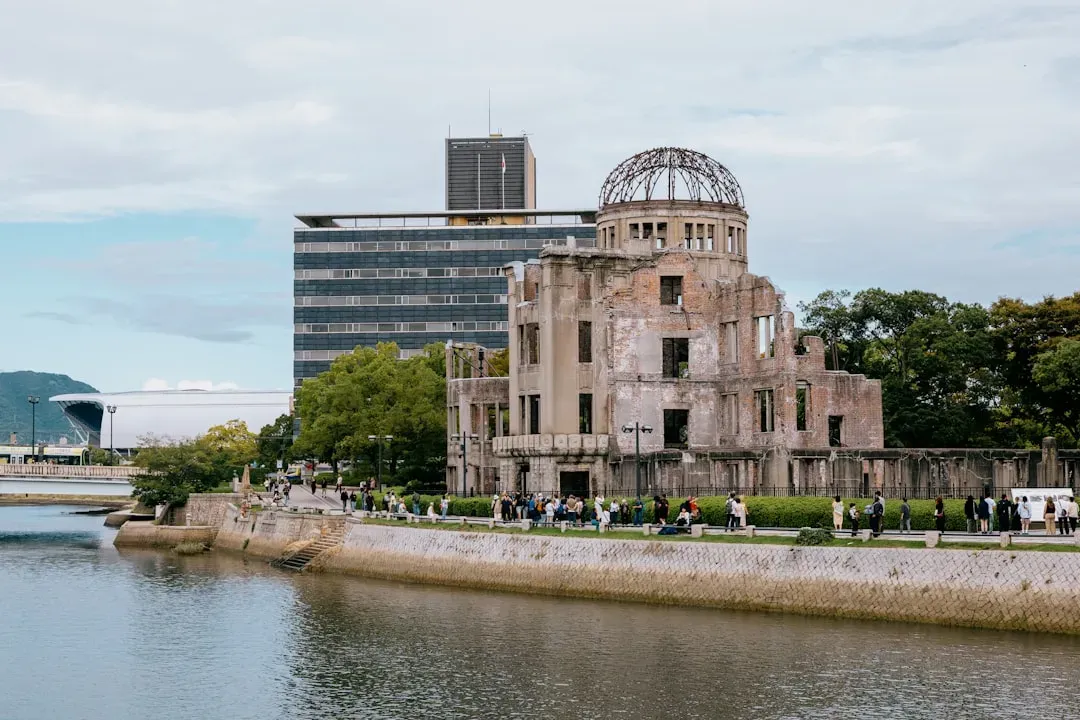
Some moments are measured in seconds. On August 6, 1945, the future of warfare was changed forever. US military leaders decided to destroy the city of Hiroshima with the atomic bomb. Roughly 100,000 people were killed in the attack, and everything within a one-mile radius was completely turned to rubble. The scale of destruction in a single instant remains almost incomprehensible even today. A grandfather’s golden pocket watch, originally given as payment for serving as an imperial photographer, was found in the ruins of a family home. The heat of the blast had seared the time of the bombing onto the metal below, leaving the clock to always read 8:15 AM. The watch was eventually donated to the Hiroshima Peace Memorial Museum in 1955 and then to a museum at the United Nations Headquarters in New York. That frozen moment on a melted watch is one of the most iconic symbols of the entire 20th century. The number of visitors to the Hiroshima Peace Memorial Museum in fiscal 2023 reached a record 1,981,617 people. That number, including a record daily high of more than 11,000 visitors near the end of the fiscal year, exceeded projections. Overseas visitors also reached a record annual high and accounted for more than 30 percent of the total visitor numbers. The world is still coming to Hiroshima. And the world still needs to.
Chernobyl and Pripyat, Ukraine: The Town That Evacuated in Three Hours
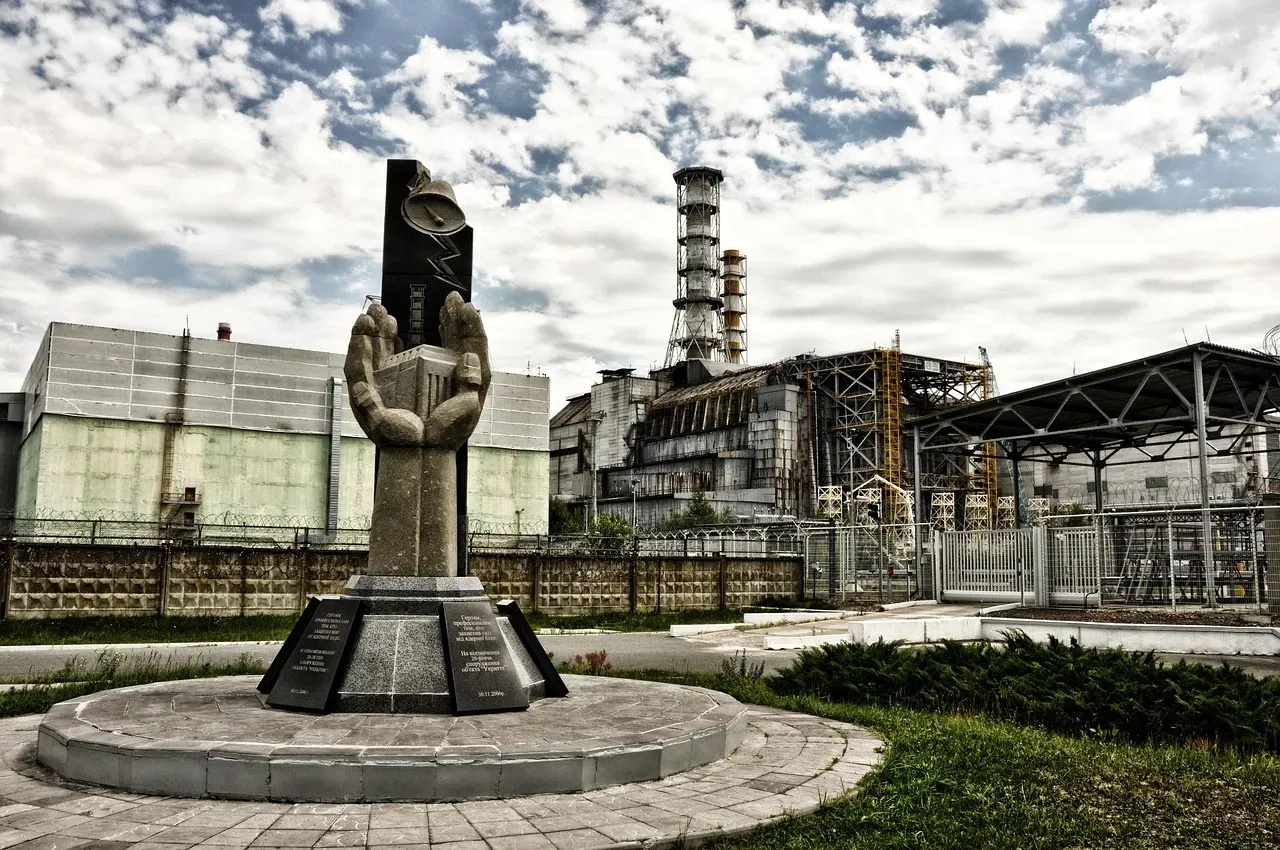
Let’s be real: few places on earth carry the eerie, suffocating stillness of Pripyat. In the early morning hours of April 26, 1986, the Chernobyl nuclear power plant experienced a meltdown after a safety test went catastrophically wrong. In the ensuing hours, the power plant and nearby areas were blasted with radioactive energy, heat, and fire. The town of Pripyat had roughly 50,000 residents. Once the order was finally given, the entire town evacuated in three hours. The Chernobyl exclusion zone, encompassing 19 miles around the plant in all directions, soon became a ghost town with buildings left to rot and almost all humans fleeing for their lives. Dolls left in classrooms. Ferris wheels never ridden. Calendars stuck on April 1986. Chernobyl released 400 times more radioactive material during the meltdown than did the atomic bombing of Hiroshima. That statistic is staggering even after all these years. Inside the reactor building, a clock on the wall stopped at 1:23:58 AM, the exact time at which the reactor exploded. It is hard to say for sure whether any single image captures the concept of “frozen in time” more literally than that clock. In February 2025, a Russian drone struck the Chernobyl shelter causing a fire and damaging the protective covering of the reactor, and in December 2025, the IAEA confirmed that the structure could no longer perform its main safety function. The disaster, it seems, is not finished writing its story.
The Titanic Wreck, North Atlantic: A Ballroom Floor Two Miles Down
There is something almost theatrical about the Titanic – the grandest ship ever built, sunk on its maiden voyage, now resting in two pieces on the ocean floor. On the night of April 14, 1912, the ship struck an iceberg and ultimately sank into the North Atlantic during the early morning hours of April 15, taking approximately 1,500 people with it. The tragedy instantly became the defining maritime disaster of the modern era. The most interesting clock aboard the wreck was located on the fireplace of the Straus suite, used by Macy’s founder Isidor Straus and his wife. Upon the dilapidated mantel, surrounded by sand and debris, sits a golden clock looking almost as new as it did the day it was made. Old pictures of the suite in its heyday show that the sinking did not affect the clock’s position at all. Think about that. A clock, undisturbed at the bottom of the ocean for over a century. Virtual reality tours now allow tourists to visit locations that are otherwise too dangerous, inaccessible, or distant – including a VR experience of the Titanic wreck site. As the physical wreck deteriorates further each decade, that technology may eventually become the only way to witness what lies below. It is a strange comfort, but a comfort nonetheless.
The 9/11 Memorial, New York: Ground Zero, Preserved in Reflection Pools
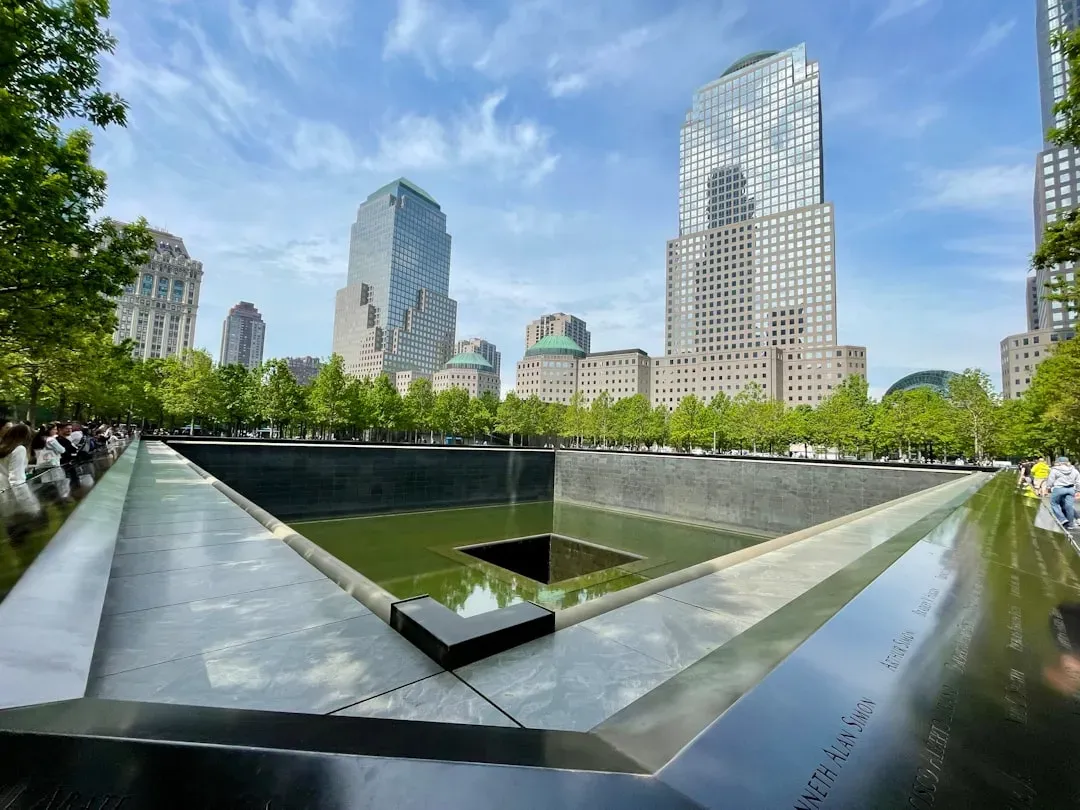
The World Trade Center site is different from the others on this list. It was not preserved by nature or sealed by catastrophe. It was a deliberate, agonizing act of cultural and emotional will. The 9/11 Memorial features portrait photographs of the people who were killed on September 11, 2001 and the February 26, 1993 bombing of the World Trade Center. Audio recollections from loved ones are accompanied by victims’ personal artifacts. The effect is deeply personal in a way that raw ruins often are not. The 9/11 Memorial, USA, stands as a tribute to the victims of the September 11 terrorist attacks. The two reflecting pools now sit where the towers stood, each one the exact footprint of the buildings that fell. The absence itself becomes the monument. There is no other memorial design quite like it in the world – it is architecture built around a void. The site’s power lies precisely in how recent the event still feels to so many people alive today. Unlike Pompeii, where two millennia soften the emotional edges, this wound is still raw, still close. Standing on the very ground where history unfolded creates a visceral connection that books and documentaries cannot replicate. At Ground Zero, that visceral connection can be overwhelming.
Herculaneum and the Villa Civita Giuliana: Pompeii’s Quieter, Richer Neighbor
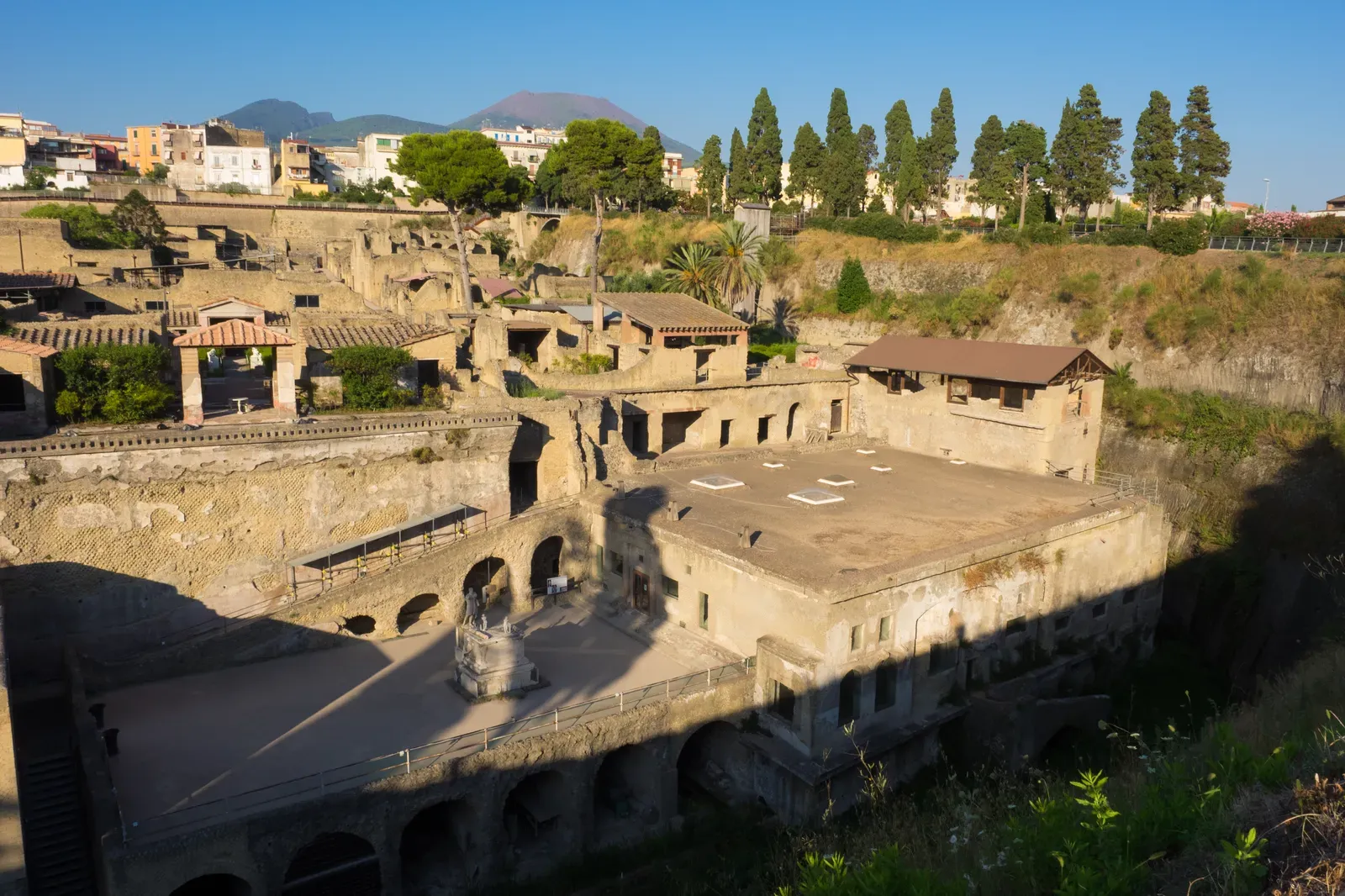
Pompeii gets all the press, but Herculaneum, the town destroyed by the same eruption of Vesuvius, is in many ways even better preserved. Because Herculaneum was sealed by a different volcanic flow, wood, textiles, and food survived there in ways almost unheard of elsewhere. The organic material provides a window into Roman domestic life that goes far beyond what stone ruins alone can tell us. As excavations at Pompeii move into the city’s suburbs, archaeologists have stumbled across a variety of interesting artifacts at the Villa Civita Giuliana. Archaeologists also found traces of an extensive field system under the thick layers of pumice from the Vesuvian eruption in AD 79, with evidence of ancient furrows and pits that supplied the markets and households of Roman Pompeii. These were working farms, not just decorative estates. Organic remains and pollen are currently being analysed to identify the vegetables that were grown, though the root systems and distribution indicate that perennial artichokes were likely cultivated in the area. Artichokes. Two thousand years old, their traces still readable in the soil. I know it sounds crazy, but that detail, more than almost any grand fresco or golden artifact, makes ancient Rome feel genuinely alive and close.
Conclusion: The Power of Places That Stopped
What unites Pompeii, Pearl Harbor, Auschwitz, Hiroshima, Chernobyl, the Titanic, and all the rest is not just tragedy. It is evidence. These sites exist as physical proof that the past happened, in ways that no textbook or documentary can fully replicate. Standing on the very ground where history unfolded creates a visceral connection that books and documentaries cannot replicate. That connection is why millions of people travel thousands of miles to stand in silence on scorched earth, sunken hulls, or ash-covered streets. Dark tourism, which involves traveling to sites associated with death, tragedy, and historical trauma, has become a growing phenomenon over the last few decades. From Chernobyl to Auschwitz Concentration Camp, these dark locations offer travelers a chance to learn about some of the world’s most tragic and impactful events. The motivations are rarely morbid. They are moral. They are human. These sites do not just freeze time. They force us to stand still with them, to stop scrolling, stop rushing, and actually feel the weight of what happened here. In a world that moves faster than ever, that pause might be the most important thing they offer. Which of these places would you most want to visit – and which one do you think you’d find hardest to leave? Tell us in the comments.