
The United Kingdom’s First Chartered Evacuation Flight from the Middle East Fails to Depart
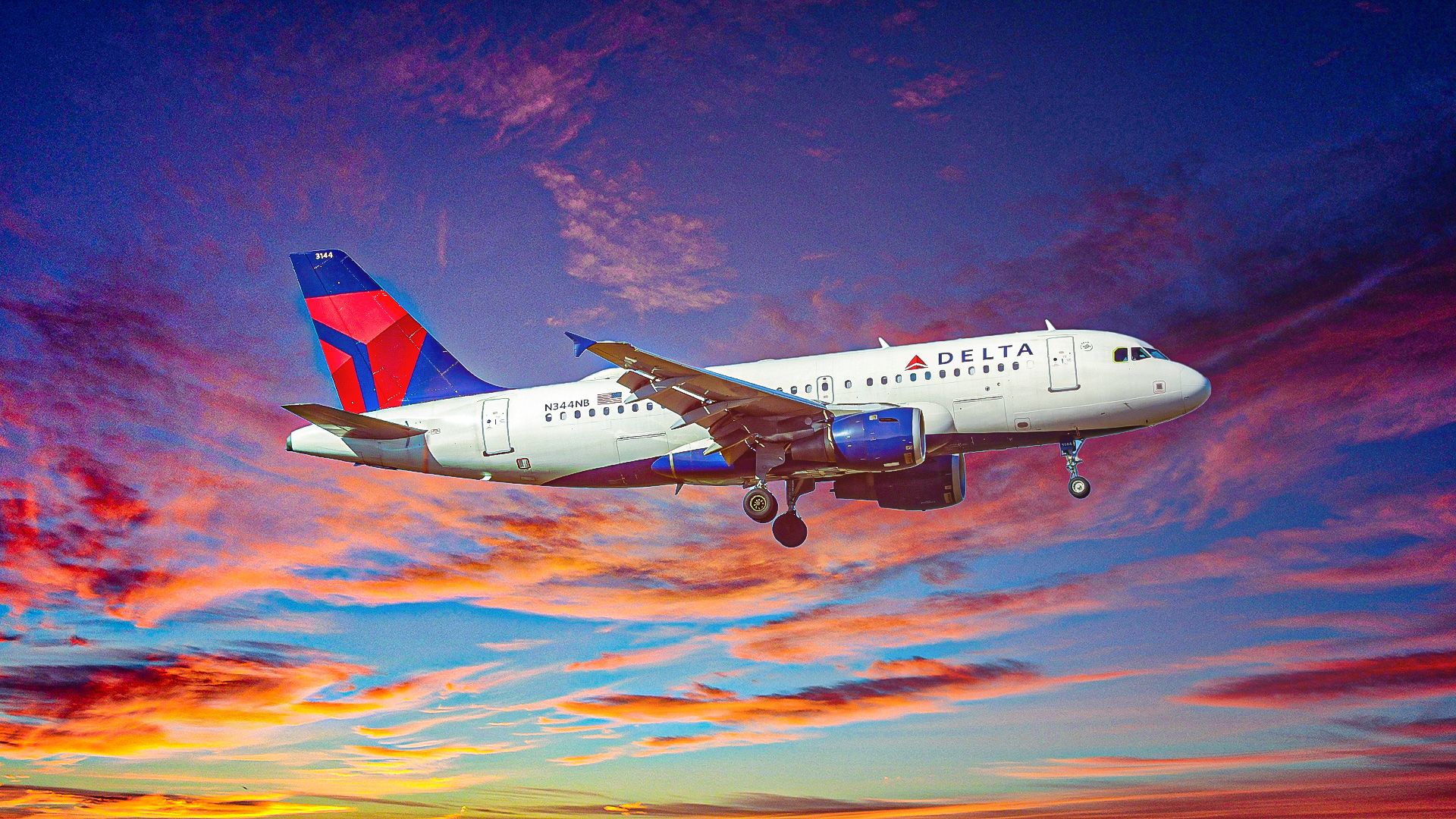
The United Kingdom’s first chartered evacuation flight from the Middle East failed to leave the ground, adding confusion and frustration to an already tense effort to bring British nationals home amid escalating regional hostilities. UK Defence Minister Norris confirmed the delay, pointing to a combination of boarding difficulties and technical problems that kept the aircraft grounded in Muscat, Oman. The setback raises hard questions about whether the government’s evacuation machinery can keep pace with a crisis that officials themselves have warned could shift rapidly.
Boarding Problems and Technical Failures Ground First Flight
The flight that was supposed to mark the start of Britain’s evacuation effort never left the tarmac. Norris told reporters the aircraft failed to take off due to problems “getting passengers on board,” while also citing separate technical issues that prevented departure. The dual explanation has left observers uncertain about whether the root cause was logistical, mechanical, or both. Norris indicated the delayed flight was due to leave on Thursday, but the gap between the original schedule and the revised departure has not been publicly clarified.
That ambiguity matters because the government has offered no technical logs, passenger manifests, or detailed operational breakdowns to explain what went wrong. The only public accounting so far comes from ministerial statements relayed through news coverage. For British nationals who had expected to board that plane and leave a conflict zone, the distinction between a boarding failure and an engine fault is academic. What they experienced was a promise of rescue that did not materialize on time.
Why the UK Turned to Charter Flights From Oman
The grounded flight was the opening move in a broader evacuation plan that the Foreign, Commonwealth and Development Office announced earlier in the week. The government said it intended to charter flights from Muscat to bring home citizens threatened by the widening Israel-Iran-US conflict. The official rationale centered on airspace closures across parts of the Middle East and the direct threat posed by ongoing strikes, which had made commercial aviation routes unreliable or unavailable.
At the time of the announcement, the timing of the chartered flights had not been confirmed, and the FCDO said British nationals in the region would be contacted directly with instructions. That vagueness was itself a source of anxiety. Choosing Muscat as the departure hub made geographic sense, since Oman sits at the southeastern edge of the Arabian Peninsula and its airspace has remained comparatively accessible. But routing evacuees to a single departure point also concentrates risk. If flights from Muscat keep failing, there is no announced backup.
Stranded Nationals Demand Better Communication
British citizens caught in the region have not been quiet about the information vacuum. “We need more updates,” one British national told the BBC, echoing a sentiment shared by others who described feeling abandoned by a government that had urged them to leave but then struggled to provide a way out. The frustration is not just emotional. Without clear, timely updates, people cannot make informed decisions about whether to stay put, attempt overland travel, or wait for the next flight.
The communication gap is especially stark given the scale of the operation. The UK has been mounting a support effort for thousands of Britons across the Middle East, and officials have acknowledged that conditions on the ground could change rapidly, making real-time guidance essential rather than optional. Telling citizens that the situation is fluid while simultaneously failing to deliver on the first scheduled flight creates a credibility problem that no amount of ministerial reassurance can easily fix. For many families trying to coordinate elderly relatives, children, or people with medical needs, each unexplained delay compounds the sense of exposure.
Coordination Gaps Expose Deeper Risks
Most of the public discussion has focused on the immediate embarrassment of a grounded plane. But the more consequential issue is what the failure reveals about the coordination between the FCDO, the Ministry of Defence, and Omani authorities. Chartering evacuation flights from a foreign airport requires agreements on ground handling, security screening, passenger processing, and airspace clearance. The fact that both boarding logistics and technical readiness failed simultaneously suggests the planning pipeline had more than one weak link. A single point of failure can be fixed quickly. Multiple simultaneous failures point to a system that was not stress-tested before it went live.
For British nationals outside Muscat, the picture is even more uncertain. The announced charter plan funnels evacuees toward one city, but many Britons in the region are scattered across countries with limited overland routes and restricted domestic air travel. If someone is stranded in a less accessible area, the instruction to “await FCDO contact” offers little practical help. The government has not publicly addressed how it plans to reach people who cannot get to Muscat on their own, and no secondary evacuation hubs have been named. That gap in the plan leaves the most vulnerable evacuees with the least information and the fewest options.
What a Failed First Flight Means for the Broader Operation
First impressions carry weight in crisis management. When a government tells its citizens it is sending a plane and that plane does not fly, the damage extends beyond the immediate delay. Trust erodes, and trust is the currency that makes large-scale evacuations work. People need to believe that the next instruction they receive will actually lead to a seat on a functioning aircraft. The grounding of the first flight has made that belief harder to sustain, especially for those who have already spent days or weeks navigating curfews, checkpoints, and disrupted communications.
The UK government has signaled that additional charter flights will follow in the coming days, but confirmed schedules have not been released. Without a transparent timetable, each new statement risks sounding more like a rolling promise than a concrete plan. In other large evacuations, governments have learned that publishing clear eligibility criteria, check-in procedures, and contingency options can reduce panic even when aircraft numbers are limited. Here, by contrast, the absence of such detail has left many Britons refreshing government websites or calling hotlines that cannot offer more than generic advice.
Accountability, Transparency and the Next Phase
The Muscat debacle has also reopened broader questions about how the UK communicates in overseas crises. After previous emergencies, officials pledged to improve digital alert systems and consular outreach. In practice, the current operation appears to lean heavily on traditional channels and on citizens’ ability to self-advocate. While media organisations continue to report ministerial assurances, the lack of granular data on how many people have been contacted, how many have registered for evacuation, and how many seats are actually available makes it difficult to assess whether the response is scaling with the need.
There are also lessons to be drawn about how the government partners with external institutions during crises. News outlets and civil society groups often act as informal amplifiers for official guidance, but they can only do so when that guidance is specific and consistent. Some Britons in the region are turning to online communities, professional networks and even job boards such as media-linked recruitment platforms to share unofficial updates, underscoring how quickly information gaps are filled by improvised channels. Meanwhile, organisations that rely on reader support, including those that invite the public to back independent reporting, are likely to face growing pressure to scrutinise not just the tactical details of individual flights but the strategic assumptions underpinning the entire evacuation plan.
For British nationals still waiting for a way out, these questions of accountability and media infrastructure are ultimately secondary to a more immediate concern: when they will be able to board a working aircraft. Yet the two are connected. A government that can demonstrate it has learned from the failed first flight, by publishing clearer criteria, improving direct outreach, and coordinating visibly with partners on the ground, stands a better chance of restoring confidence before the next departure window opens. Without that shift, each new delay will deepen the impression of a system improvising under pressure rather than executing a tested plan.
Behind the scenes, the crisis is also testing how citizens interact with institutions beyond the state. Readers who already have digital news accounts or regular access to international outlets are better positioned to track fast-moving developments than those relying on sporadic social media posts. Subscription models and appeals to support weekly journalism might seem remote from the immediate drama of a grounded aircraft, but they shape the resources available for sustained scrutiny when official narratives are thin. As the UK’s evacuation effort moves into its next phase, the interplay between government competence, public trust and independent reporting will help determine whether the story of Muscat is remembered as an early stumble or as a warning that went unheeded.
For now, the failed first flight stands as a stark symbol of the stakes. A single aircraft stuck on the runway in Oman has exposed the fragility of a plan that depends on precise coordination across borders, agencies and time zones. Whether the government can convert this early setback into a catalyst for more robust planning and clearer communication will be measured not in press conferences, but in the safe arrival of British citizens who are still waiting, bags packed, for a plane that actually takes off.