Throughout the nation, hundreds of Federal Emergency Management Agency personnel have been unable to work — preventing them from participating in current recovery operations, traveling to and from disaster areas, or returning home for personal emergencies — during the Department of Homeland Security’s partial government shutdown. These limitations have already hindered aid efforts in isolated villages in Alaska and rural Tennessee, even though DHS has permitted some FEMA employees to be sent for immigration-related tasks, as reported by four agency officials and documents reviewed by The Washington Post.
About 20 present and former FEMA employees, alongside a specialist in emergency management, described the travel limitations implemented due to the Trump administration’s budget dispute with Democrats regarding Immigration and Custom Enforcement as quite extraordinary, particularly since FEMA has its own funding source, referred to as the Disaster Relief Fund, which can be utilized even if the Department of Homeland Security lacks a budget.
As of last Thursday, a source with knowledge of the situation told Congress that the fund has approximately $10 billion available, as reported by FEMA. FEMA continues to compensate employees working on active recovery initiatives, but many staff members have been placed on hold, and hundreds are unable to return home following the conclusion of their assignments, according to interviews with 11 officials based at headquarters and throughout the country.
Several employees have also been unable to return home from their assignments or due to pressing circumstances, such as the arrival of a grandchild or a family member’s hospitalization — stranded in hotels covered by the government.
DHS and FEMA officials did not promptly answer a set of questions sent on Thursday regarding the reasons for limiting work funded by the program, as well as the process used to decide which travel requests to authorize.
Numerous efforts aimed at reducing impacts and rebuilding public infrastructure are currently on hold. Teams working on recovery have been instructed not to communicate with state and local agencies they assist with intricate construction repairs and environmental assessments unless Secretary Kristi L. Noem and other department officials determine the tasks are urgent and essential.
Current and former officials who were interviewed for this article requested anonymity due to concerns about retaliation and because they lacked permission to disclose details regarding the new policies.
This level of targeted work stoppage is unheard of,” a high-ranking official stated. “This has never occurred in previous shutdowns,” even when the emergency fund was depleted, “we’ve never reached a complete halt like this.
The FEMA disaster relief fund serves as its main financial resource for handling disaster response and recovery efforts, covering various costs such as employee wages, travel expenses, emergency contracts, and aid provided directly to those affected. The fund is designed to keep disaster operations running even during government shutdowns—although it still requires ongoing funding from Congress to stay financially stable in the long term.
The direction on how to deal with DHS’s strict and broad policies during the shutdown has been unclear, unstable, and subject to daily changes, according to eight agency officials, causing frustration as various sections of FEMA try to figure out who can work on what tasks or who is allowed to travel to and from disaster areas. Very little of the guidance is provided in writing, the officials noted.
Agency team leaders are now required to draft memos explaining each employee’s travel and then await approval from DHS — and the department is not approving many of these, according to an official familiar with the matter. Almost two dozen of these requests are for urgent purposes, leading senior officials to forward them to Karen Evans, FEMA’s acting leader, so she can present them to Noem.
This involves continued recovery initiatives in communities across Indiana, New Hampshire, Michigan, and Alaska that experienced significant destruction due to floods during the previous spring and fall, as well as for earlier incidents like hurricanes Helene and Milton.
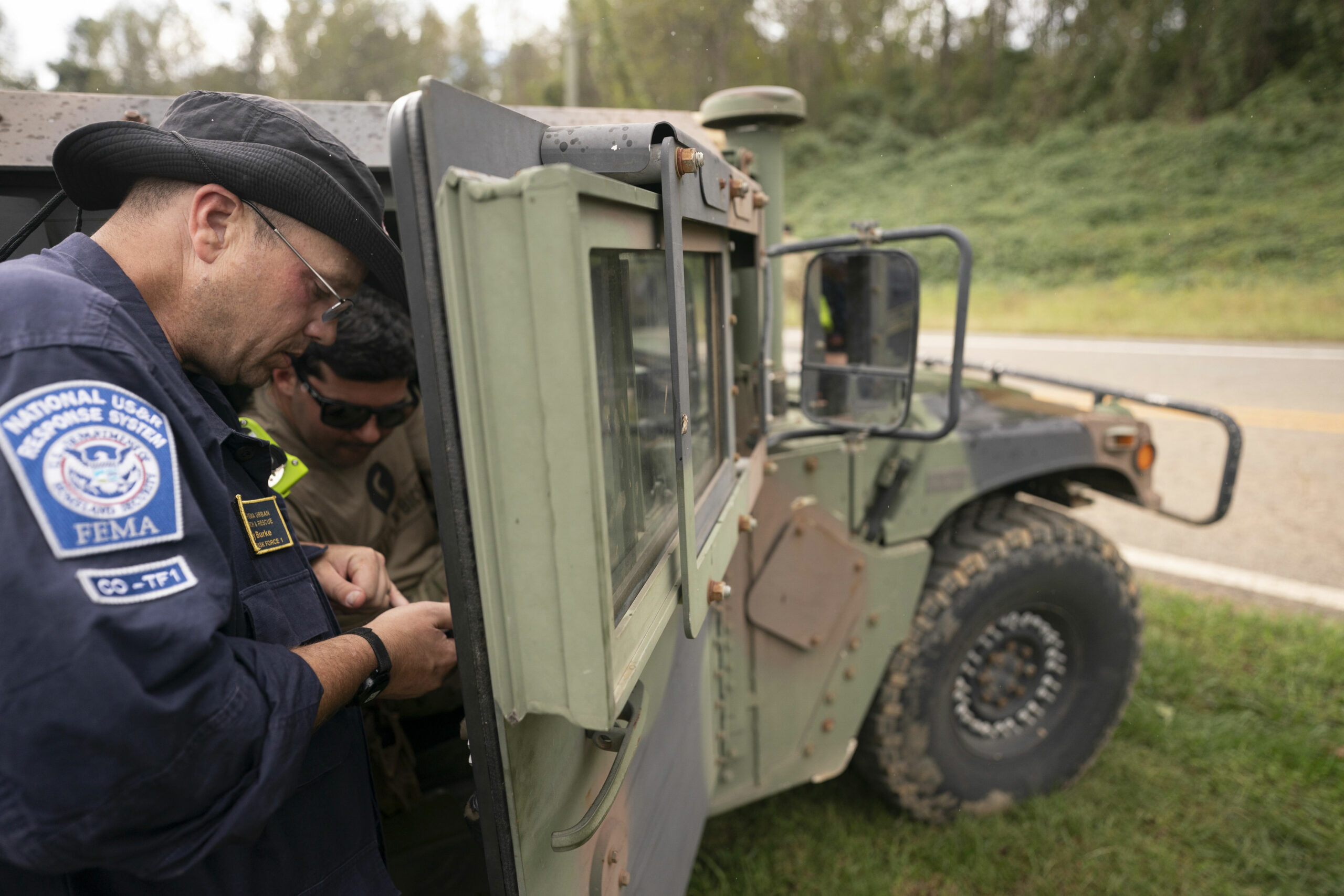
Take the leftovers of a hurricane thatwalloped parts of AlaskaLast October: FEMA disaster response teams remain on site, traveling daily between the remote city of Bethel, where they have been based, and more isolated indigenous and Native American communities to determine if residents qualify for federal assistance and to aid them in restoring services. The team has been stranded in Bethel since Friday, according to an agency representative, as they cannot proceed with evaluating survivors’ needs due to a lack of authorization to move.
What is the purpose of this?” the official questioned. “You are ultimately harming the communities, the disaster survivors. The aid they qualify for, they are unable to receive as quickly now.
In Tennessee, teams have been waiting for a week for an employee from the regional office to come for Helene recovery efforts, but the worker has not arrived yet. Instead, the government is paying that employee “hundreds of dollars a day to do nothing and create work,” said one official in the area, noting that “there are more employees who are supposed to assist with winter storm recovery that are also still not here for the same reason.”
At a different disaster location in the Midwest, a staff member had to quickly return home due to an urgent family medical issue and couldn’t do so without Noem’s permission. They ultimately bought their own ticket, which the DHS approved a few hours later, according to an official familiar with the matter. The official also noted that some individuals are worried the DHS might terminate their employment if they travel “on their own expense for an urgent emergency.”
DHS authorized FEMA to deploy approximately 50 staff members to Mississippi following the state’s occurrence of adevastating ice stormlast month, an official with awareness of the situation stated.
At the same time, some employees assigned by DHS to handle immigration-related duties, including hiring, onboarding new staff, and supervising Department of Defense personnel.who are volunteeringImmigration and Customs and Border Patrol personnel are still permitted to work from home and travel for their assignments, as stated in documents examined by The Post and two individuals who are aware of the situation. These immigration operations have been classified as essential, life-saving, and “excepted,” allowing hiring and enforcement activities to proceed, according to an agency representative, with the information confirmed by documents reviewed by The Post.
Over the weekend, the DHS approved multiple deployments for FEMA employees within 24 hours. These employees have been involved in immigration-related work, including assisting in organizing a volunteer group of Department of Defense personnel who are being trained to join ICE. Meanwhile, other staff members handling administrative immigration duties continue to work from home during the shutdown.
The DHS approved the requests “in a hurry,” said the official, allowing individuals assigned to “ICE and CBP locations to continue with their tasks.”
Disaster recovery efforts can last for years, involving millions of dollars in expenses and demanding significant collaboration between FEMA and state and local authorities. Halting these continuous efforts creates widespread consequences, delaying home inspections and causing families residing in temporary housing to remain displaced for an extended period, according to several current officials.
As the confusion persists, an agency official cautioned that in the event of a “no-notice” disaster—like the Texas floods in July—should it rapidly escalate, FEMA would need to carry out an “extremely bureaucratic paperwork process” and seek DHS approval for all travel. To stay proactive, some response and recovery leaders urged Evans to step in and ask Noem to implement a policy allowing FEMA to act without restrictions if an earthquake, flood, or wildfire were to occur, the official stated.
Impossible,” they sighed. “This implies there will definitely be a delay if or when a catastrophe occurs.