The Distinction Between God and Creation
A consistent theme in Christian thought has been the differentiation between God and creation. This distinction may seem straightforward today, but it was not always evident to the philosophers of pre-Christian Greece, who lacked the concept of God as the creator of the world.
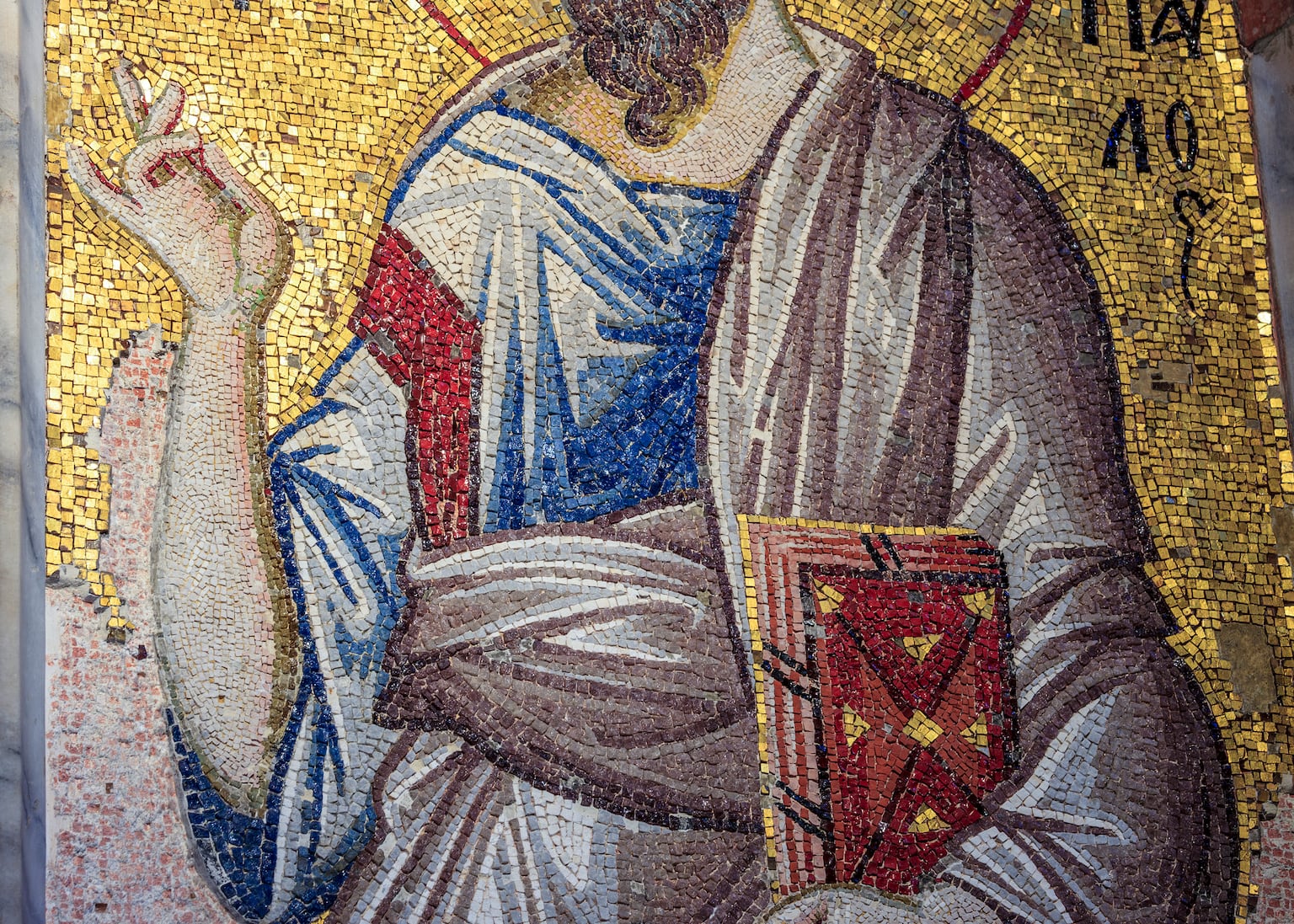
This idea is present in the earliest parts of Christian scripture, particularly in the writings of St. Paul. When addressing the community in Corinth about “the mystery of God,” he emphasized the difference between divine wisdom and worldly wisdom. He argued that the teachings he shared were not aligned with the knowledge of this world.
However, caution is necessary here. While St. Paul seemed to distance himself from traditional wisdom and philosophy as paths to understanding God, he did not entirely dismiss their value. It would be odd to claim that the mystery of God is deeper than something inherently shallow. Instead, his argument relied on the worth of human thought, even as he used rhetoric in a paradoxical way to point toward something greater than intellectual debate.
In a similar manner, discussions about the importance of monastic life can only be taken seriously if the value of what it forgoes—such as marriage—is acknowledged. Returning to St. Paul’s main point, Christianity, like its religious counterpart Judaism, teaches that God is distinct from the created world yet remains its sovereign cause. Therefore, God’s ways are not necessarily our ways.
St. Paul specifically highlighted that the crucifixion and resurrection of Christ, the act that brought salvation to humanity, cannot be fully understood through reason alone. Philosophy and oratory, despite their power, are overshadowed by this message. Thus, Paul did not attempt to approach this “mystery” using only rational arguments.
It is understandable, given the enormity of the redemption of the human race, which is at least as difficult to grasp as the question of why the world exists at all. We do know, however, that redemption must involve confronting the immense nature of human suffering, depravity, and degradation—issues that defy even the most sophisticated interpretations of reason.
The belief that the horror of human existence has been confronted, defeated, and transformed by God’s action in Christ motivated St. Paul to move beyond philosophy and rhetoric when speaking about it. Although the term “awesome” is now commonly used, its frequent application can dilute its true meaning. In a religious context, “awesome” refers to the profound sense of awe that arises when individuals experience a sudden, direct awareness of the unfathomable mystery of life and suffering. Without this recognition, discussions about redemption would be meaningless.
If people in the West have long distanced themselves from Christianity, it could be due to an intuitive suspicion that what is presented in the name of Christianity is not authentic. Nearly two centuries ago, the Danish thinker Søren Kierkegaard (1813–1855) expressed frustration in his workFear and Trembling(1843), stating that the modern age had turned the “wine of Christianity into water.”
A similar sentiment can be found in the writings of D.H. Lawrence (1885–1930). In a well-known passage, he wrote: “I know the greatness of Christianity: it is a past greatness… If I had lived in the year 400, pray God, I should have been a true and passionate Christian… But now I live in 1924, and the Christian venture is done. The adventure is gone out of Christianity. We must start on a new venture toward God.”
It would be ironic if the secular world recognized more intuitively than the Church itself that the purity and vigor of Christian faith had diminished, becoming dead and worthless. This would make it “no longer good for anything, except to be thrown out and trampled underfoot” (Matthew 5:13).
Before falling into pessimism, it is important to recall St. Paul’s distinction between God and creation. The fate of Christianity, like the fate of the world, is guided by God, not determined by us. While human effort is significant, ultimately, Christian faith holds that God guides and saves the world.
Martin Henry, a former lecturer in theology at St Patrick’s College, Maynooth, is a priest of the diocese of Down and Connor.