
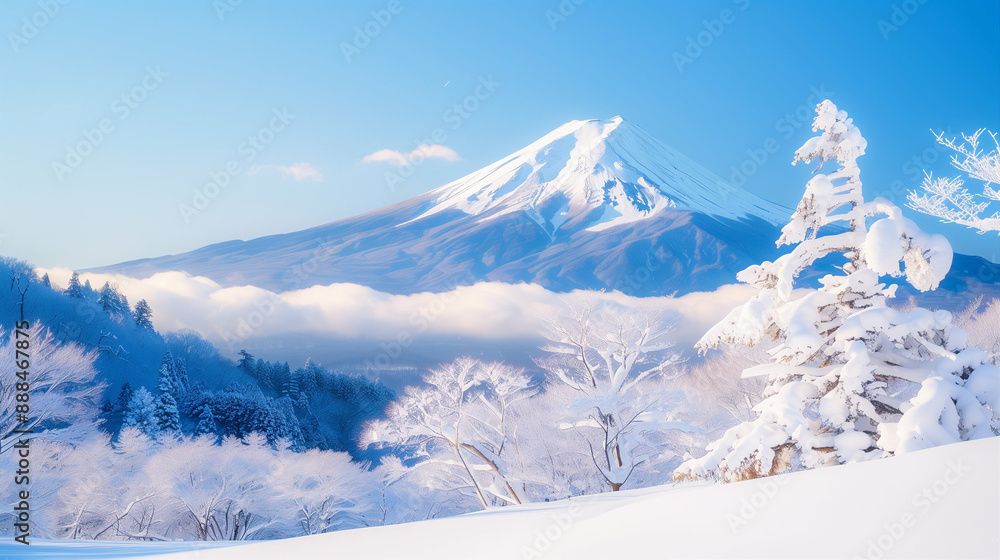
Mount Fuji, Japan’s most iconic landmark, is a symbol of natural beauty, cultural significance, and spiritual reverence. Standing at 3,776.24 meters (12,389 feet), it is the highest mountain in Japan and a UNESCO World Heritage Site. This article explores everything you need to know about Mount Fuji, from its geological history and cultural importance to practical travel tips for those planning a visit.
The Geological Marvel of Mount Fuji
Mount Fuji is an active stratovolcano located on the Japanese island of Honshu, approximately 100 km (62 miles) southwest of Tokyo. It is part of the Fuji-Hakone-Izu National Park and straddles the boundary of Shizuoka and Yamanashi prefectures. The mountain is known for its symmetrical cone, which is covered in snow for about five months of the year.
Geologically, Mount Fuji has gone through four distinct phases of volcanic activity. The first phase, called Sen-komitake, involved the formation of an andesite core deep within the mountain. This was followed by the Komitake Fuji basalt layer, then the Old Fuji and finally the New Fuji, which formed around 10,000 years ago. The last recorded eruption occurred in 1707, and since then, no signs of volcanic activity have been detected.
The summit of Mount Fuji has a tundra climate, with temperatures ranging from -38.0°C (-36.4°F) in winter to 17.8°C (64.0°F) in summer. The mountain is surrounded by five lakes—Lake Kawaguchi, Lake Yamanaka, Lake Sai, Lake Motosu, and Lake Shōji—which provide stunning views and are popular spots for photography.
Cultural Significance and Historical Importance

Mount Fuji holds a special place in Japanese culture and history. It is one of Japan’s “Three Holy Mountains” along with Mount Tate and Mount Haku. The mountain has been a source of inspiration for artists, poets, and writers for centuries. Its image appears in countless works of art, including woodblock prints by Katsushika Hokusai, such as Thirty-six Views of Mount Fuji and One Hundred Views of Mount Fuji.
In Shinto mythology, Mount Fuji is associated with the goddess Konohanasakuya-hime, who is believed to reside on the mountain. The Fujisan Hongū Sengen Taisha shrine, dedicated to her, is one of the 25 cultural sites listed by UNESCO in the Mount Fuji area.
Historically, Mount Fuji was considered sacred and was once forbidden to women. However, this restriction was lifted in 1872, allowing women to climb the mountain. Tatsu Takayama became the first woman to reach the summit in 1832. The mountain also played a role in Japanese samurai training and was a site of historical events, such as the yabusame archery contests held by Minamoto no Yoritomo during the Kamakura period.
The Best Time to Visit and Popular Routes

The best time to visit Mount Fuji is between July and August when the weather is warmest and the hiking season is in full swing. During this period, over 300,000 people climb the mountain each year. The four major climbing routes are the Yoshida, Subashiri, Gotemba, and Fujinomiya routes, each offering unique experiences.
- Yoshida Route: The most popular route, known for its large parking areas and numerous mountain huts. It starts at the fifth station and takes about 5–7 hours to reach the summit.
- Subashiri Route: A less crowded option that offers scenic views and a more relaxed pace. It starts at the fifth station and is ideal for those looking for a quieter experience.
- Gotemba Route: Known for its challenging terrain and ash-covered paths. It is often used for descent due to its steep slopes.
- Fujinomiya Route: The highest fifth station, making it a good choice for those seeking a more demanding climb.
Travel Tips and Safety Considerations
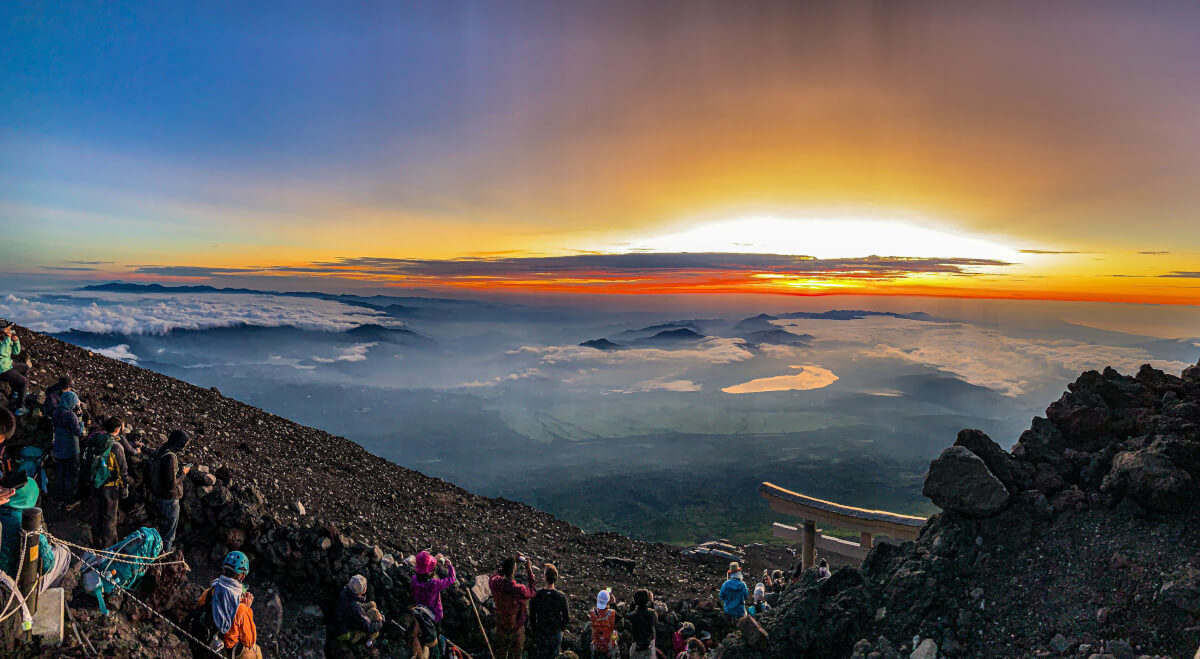
If you’re planning to visit Mount Fuji, here are some essential tips to ensure a safe and enjoyable experience:
- Weather Conditions: Check the weather forecast before your trip. Sudden changes in weather can make the climb dangerous.
- Appropriate Gear: Bring warm clothing, sturdy hiking boots, and a headlamp. The temperature can drop significantly at higher elevations.
- Camping Regulations: Camping above the fifth station is illegal. Stay in designated huts or lodges.
- Crowds and Congestion: During peak season, the trails can be very crowded. Consider visiting during the off-season for a more peaceful experience.
- Safety Measures: Be aware of the risks associated with high altitude and cold temperatures. Carry enough water and food, and follow all safety guidelines.
Conclusion
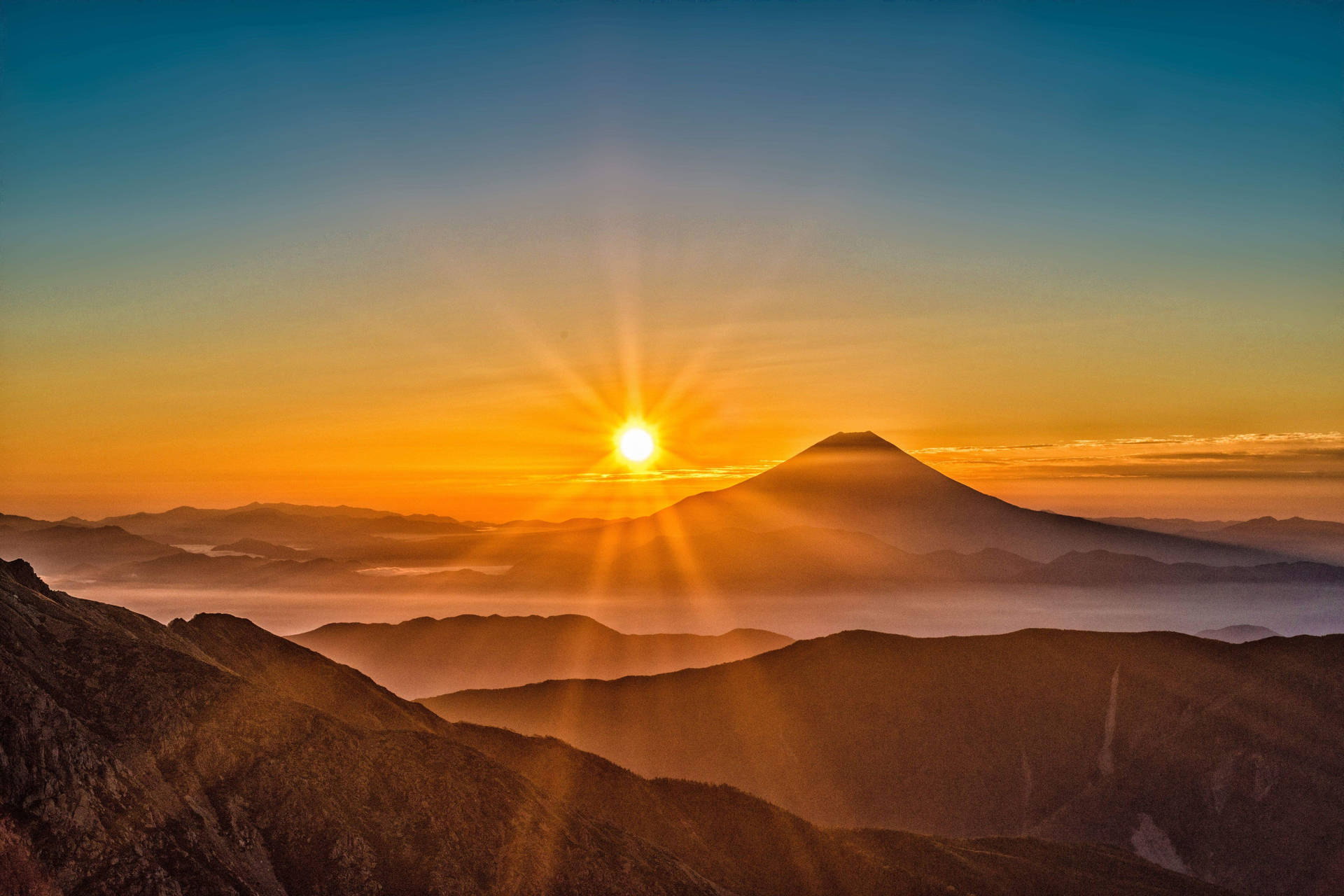
Mount Fuji is more than just a mountain—it is a symbol of Japan’s natural beauty, cultural heritage, and spiritual depth. Whether you’re an avid hiker, a nature lover, or a traveler seeking a unique experience, Mount Fuji offers something for everyone. With its breathtaking landscapes, rich history, and vibrant culture, a visit to Mount Fuji is an unforgettable journey into the heart of Japan.










![[IMAGE: Best Travel Apps for Stress-Free Adventures United States]](https://www.mathhotels.com/wp-content/uploads/2025/09/608_Best_Travel_Apps_Stress_Free_Vacation_Hero.jpg)