
The first time I encountered images ofMontana’s rainbow pebbles, I thought the colors were doing that social media trick where everything appears more vivid than it actually is. Then I began exploring the geology responsible for the glow and discovered the beauty is genuine, not enhanced by filters. In Glacier National Park, lakes gather stones that have journeyed through ancient time, worn down by glaciers, and arranged by water until the shore resembles spilled paint.
The attraction goes beyond just the appearance. Visitors come to Lake McDonald forits famous rainbow pebbles,and for good reason. However, Bowman Lake provides the same serene beauty without the crowds. Standing on Bowman’s rocky shore still feels like entering a timeline that goes back hundreds of millions of years. The colors are small and personal, yet they are part of a much larger story than any individual visit. It is a detail that changes how you view the park, even if you arrived seeking towering peaks and breathtaking skies.
What I appreciate about Bowman Lake, even from a distance, ishow it appears to encourage a more leisurely pace of travel.Lake McDonald provides a stunning view. Bowman provides an area for reflection. The colorful stones here do not seek to draw attention. Instead, they encourage you to stay, crouch by the water’s edge, and observe how light subtly shifts color with each passing cloud.
Stay updated on the latest in travel trends, advice, and stories—sign up today.
Bowman Lake as a more tranquil alternative for those seeking the essence of Rainbow Rock
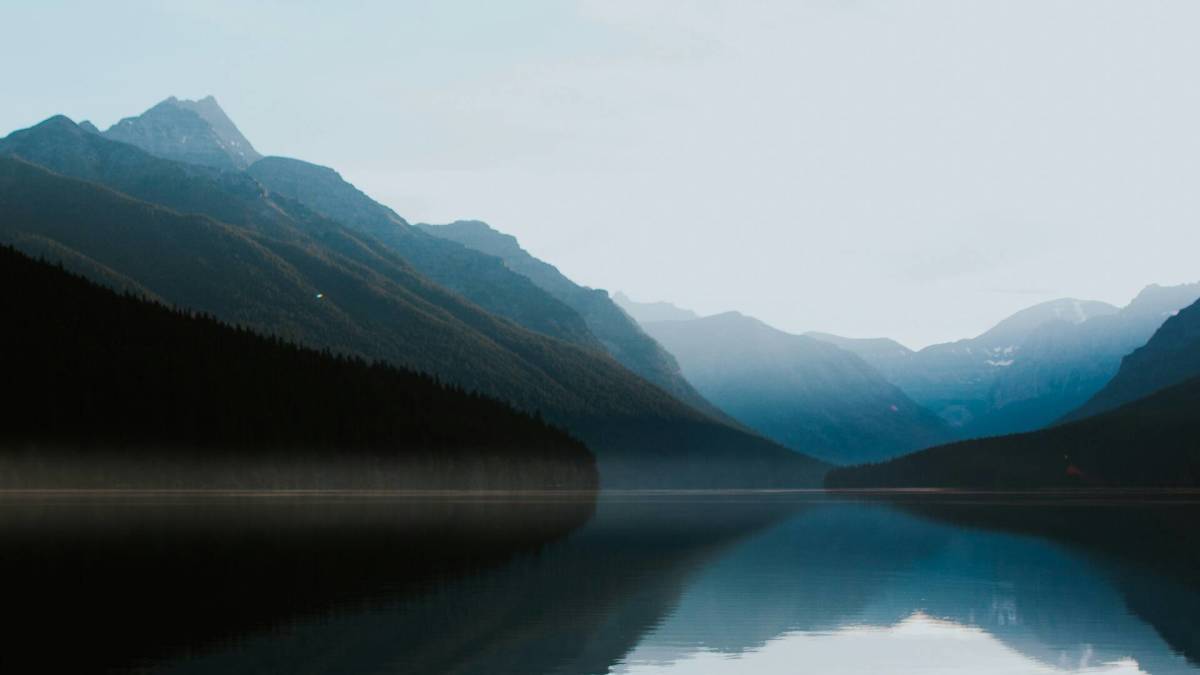
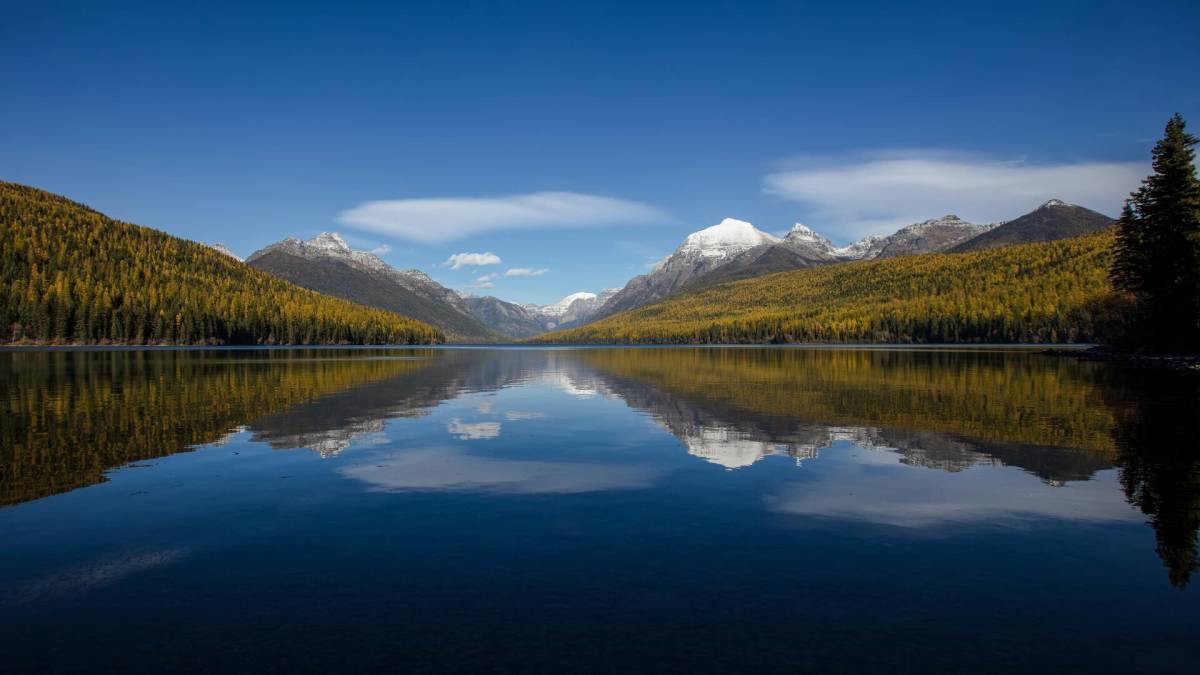
Located in the northwestern part of the park, Bowman Lake presents a comparable visual theme but with a distinct atmosphere. It is elongated and slim, surrounded by trees and peaks, and much less crowded due to the challenging and less accessible road leading there. Thethe shore continues to feature brightly colored stonesshaped by the same ancient forces, yet the environment seems more peaceful, almost reflective.
Here, the rainbow effect isn’t something you push through to see. It’s something you become aware of as your eyes become accustomed to calm. Visitors describe the water as clear and crisp, along with a feeling of openness that makes the colors seem intimate, like an uncovering rather than a goal. The geology tells the same tale but in a more gentle tone.
How geology shapes these stones and why the colors are authentic
The spectrum of colors in the rainbow is not arbitrary. Various stones were created in distinct environments prior to the movement of glaciers. Rocks containing high levels of iron turned red and orange when they came into contact with oxygen. Stones that formed in deeper, oxygen-poor waters retained cooler hues such as green and blue. As time passed, glaciers crushed these rocks, and rivers carried them into mountain lakes, where the clear water functions like a lens, enhancing the colors.
What captivates me the most is that these beaches are not designed. No one placed the stones for visual harmony. The beauty arises from extended, neutral processes that resulted in a configuration we perceive as beautiful. There’s a sense of stability in that. It changes the concept of travel into observing, rather than accumulating.
It also clarifies why these locations have distinct characteristics. Although the stones may have similar origins, factors such as light, water depth, and the shape of the shoreline affect how colors are perceived. Two lakes can convey the same geological narrative with entirely different emotional impressions.
Related: A beloved national park could become an even more popular destination this summer than usual
When to visit, how to appear, and how to depart without a trace
When to go
Summer to early fall is the best season. The six-mile dirt road leading from Polebridge can be challenging after the spring thaw, so prepare properly and review Glacier National Park’s updates before heading out.
What to bring
- Equipment for cold water:Wetsuits or additional layers can significantly impact your comfort if you plan to wade or paddle.
- Hiking shoes:Coastal rocky areas and forest paths require strong grip.
- Bear safety essentials:This is genuine wilderness, so carrying bear spray, making noise, and showing respect for animals lead to better journeys.
Activities to explore in northwest Montana outside of the rainbow pebble beaches
One simple addition is discovering the historic backroads near Polebridge, a small settlement famous for its off-grid lifestyle and close distance to Glacier’s less crowded entrances. Visitors frequently stop here to pick up basic supplies before continuing to Bowman Lake. The nearby North Fork region provides a morerural, less curated experiencein Montana, where dirt roads and vast landscapes seem to be part of the adventure rather than a hindrance.
For trekkers, the western part of the park serves as an entrance tolonger, less trafficked trails.Paths leading to Quartz Lake and old logging-era backcountry routes provide wooded seclusion, mild climbs, and extended periods without crowds. These trails focus more on being surrounded by nature rather than spectacular views. You walk under pine trees, listen to your boots crunch on pine cones, and experience the park unfolding gradually.
If you’re seeking water without the postcard throngs, rowing on Bowman Lake is a remarkable activity. The lake’s slender form gives it a protected feel, and visitors often describe glassy reflections when the wind is still. Paddling here shifts from excitement to a meditative pace. It’s the kind of gentle motion that allows you to observe how the mountains shift hues with the sky.
Related: This summer, these 3 well-known national parks will stop needing a reservation
For a cultural break amid natural landscapes, nearby small towns such as Whitefish and Columbia Falls providelow-key ways to reset.Consider local diners, outdoor gear shops, and riverfront strolls instead of high-end resort vibes. I appreciate the concept of these towns as relaxation areas. They aren’t places you conquer, but rather spots where you reset after a long day gazing at mountains and lakes.
The charm of this area lies in its lack of pressure to keep moving. You can schedule a full day of adventures, or simply let one lake and one leisurely road define your journey. Montana allows you the freedom to travel at your own pace.
Selecting your spectrum: legendary or personal
Lake McDonald is the iconic postcard image. Bowman Lake is the quiet suggestion. Both provide a glimpse into Montana’s rich history and serve as a reminder that small moments can create lasting travel memories. One shows how locations gain fame. The other illustrates how places remain meaningful on a personal level.
If you’re planning a journey centered on wonder, I wouldn’t present it as a decision between correct and incorrect. It’s more about choosing between vitality and simplicity, between experiencing a moment together and keeping it to yourself. The most memorable trips usually allow for both options.
Don’t fall behind—sign up today for the latest travel news and location insights.