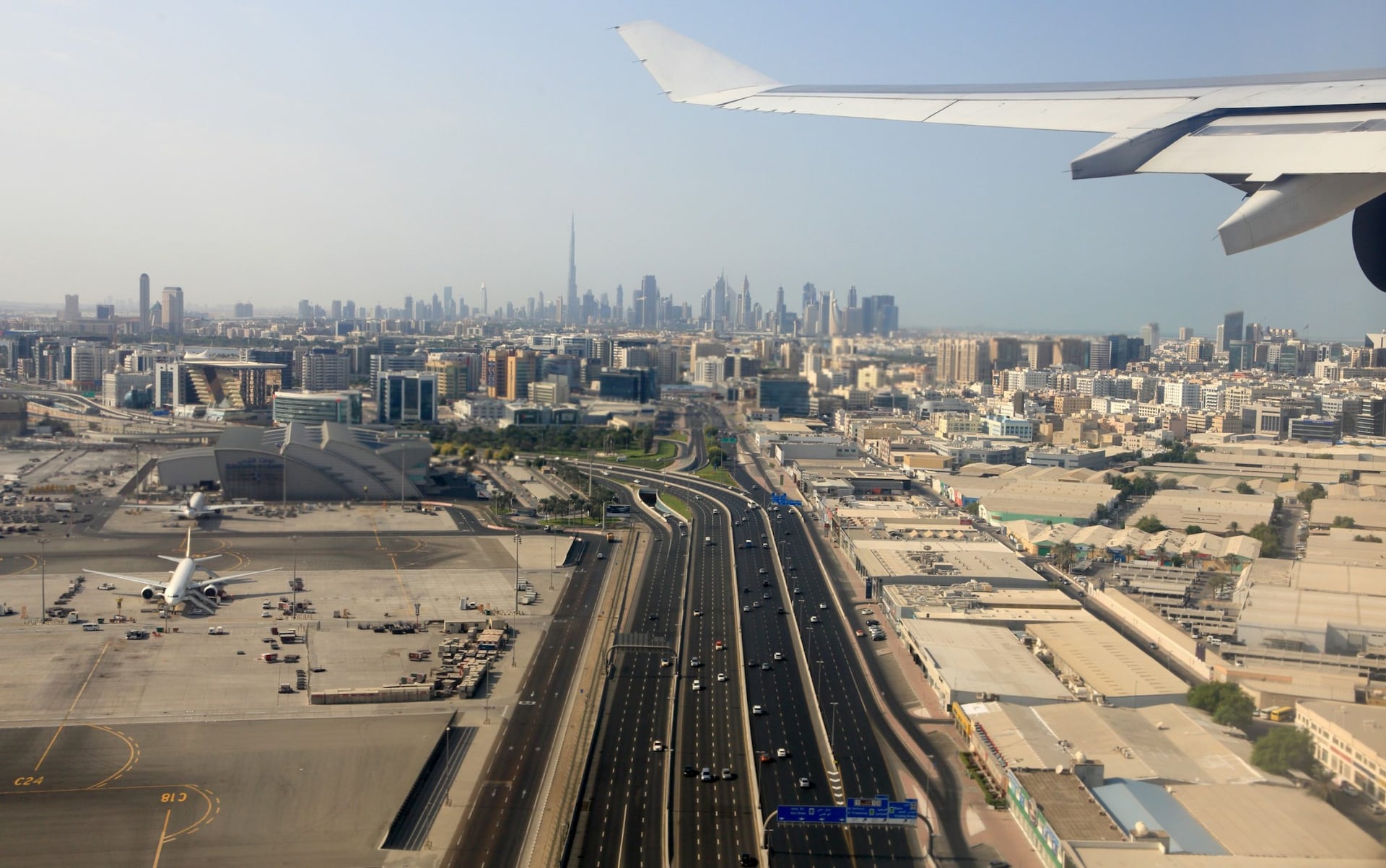
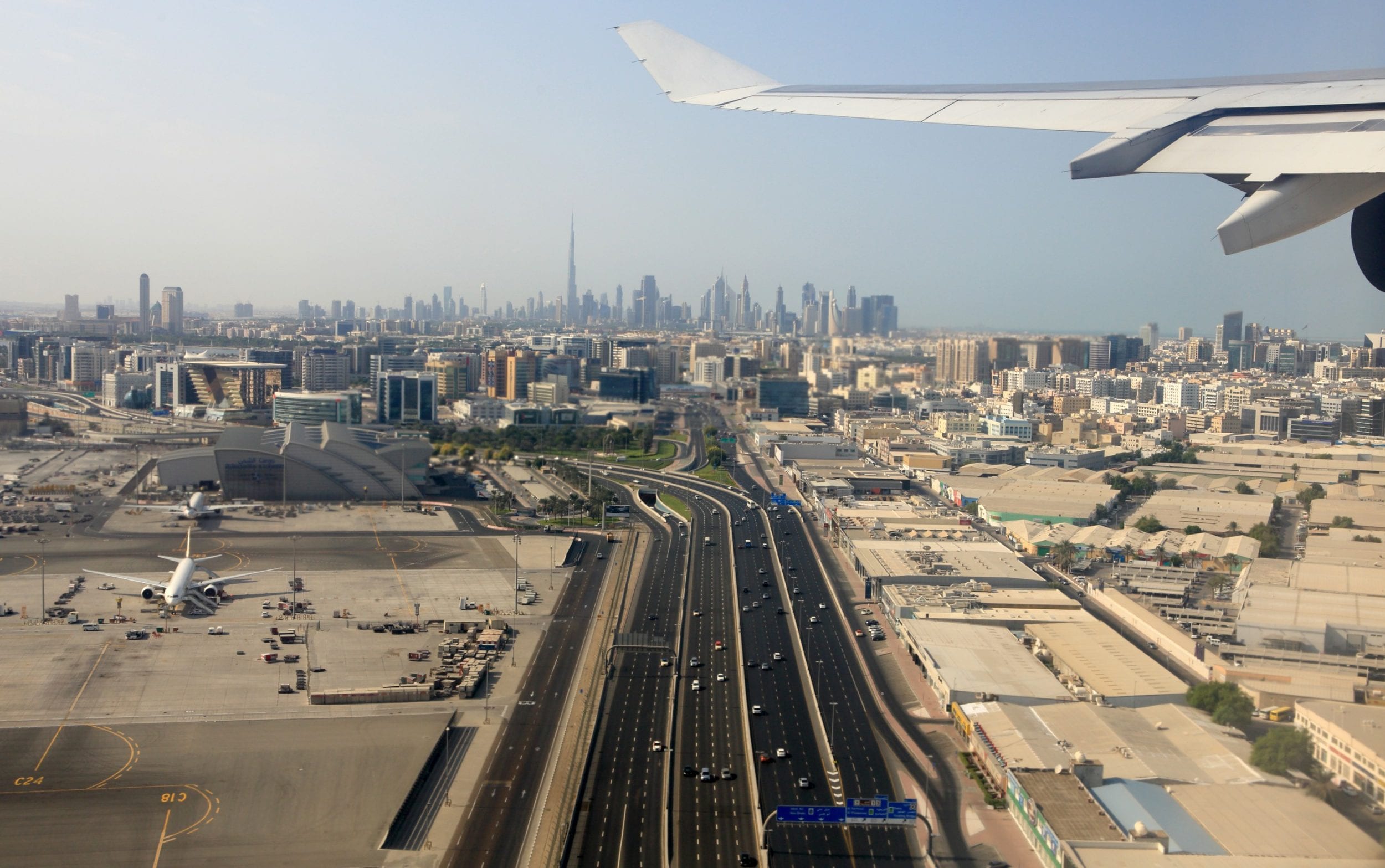
Dubai Issues Emergency Alert Amid Missile Threat
Dubai has issued a fresh emergency alert, urging both tourists and residents to “immediately seek shelter” due to a potential missile threat. The alert, sent to mobile phones in several regions of Dubai, stated: “Given the current situation and a potential missile threat, please seek immediate shelter in a secure building away from windows, doors and open spaces, and wait for official instructions.”
The UAE has partially reopened its airspace after days of closure, with Emirates, British Airways, and Etihad now flying stranded British tourists home. However, the region is still grappling with the ongoing military crisis, which has affected even the usually safe havens of Dubai and Abu Dhabi.
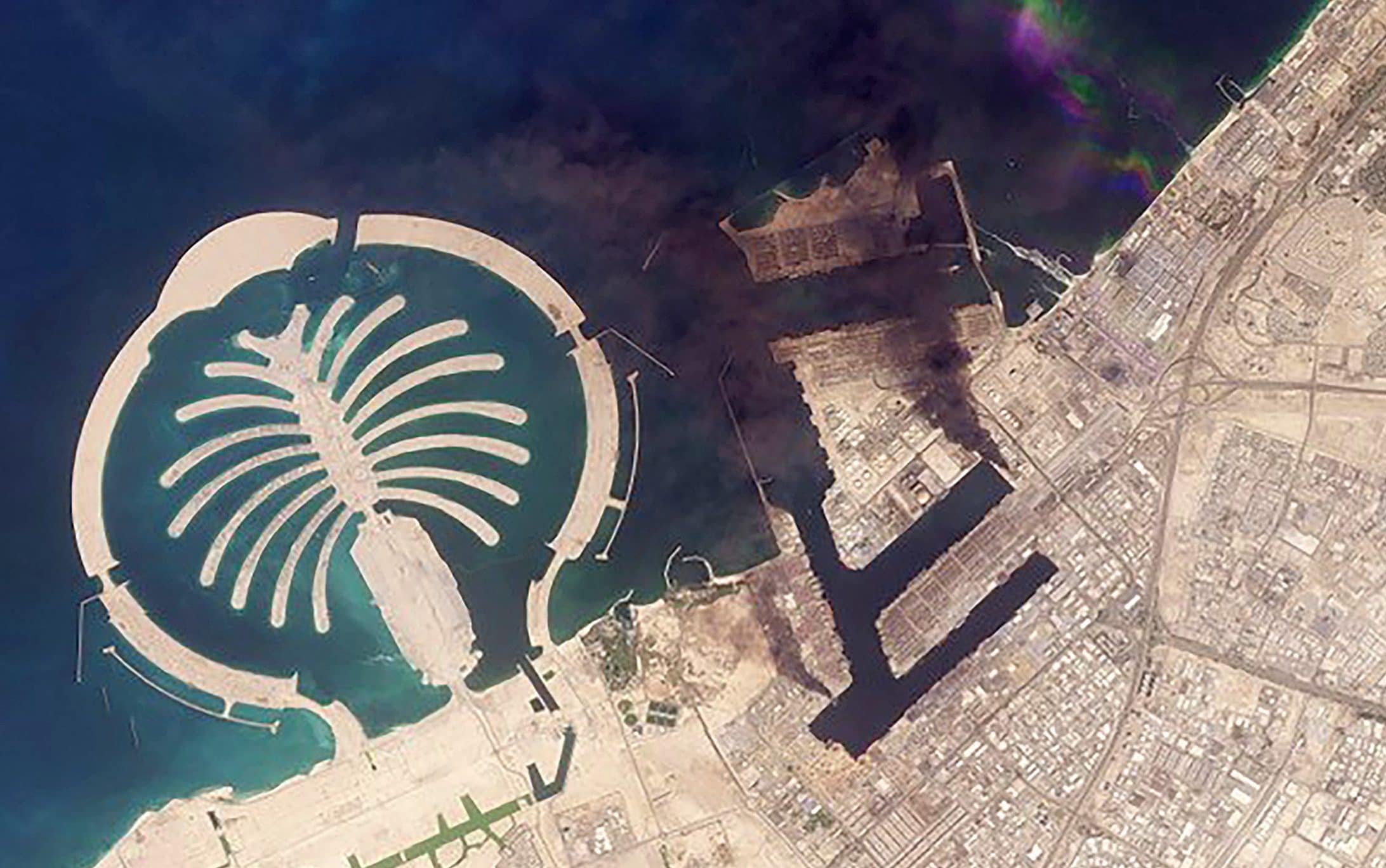
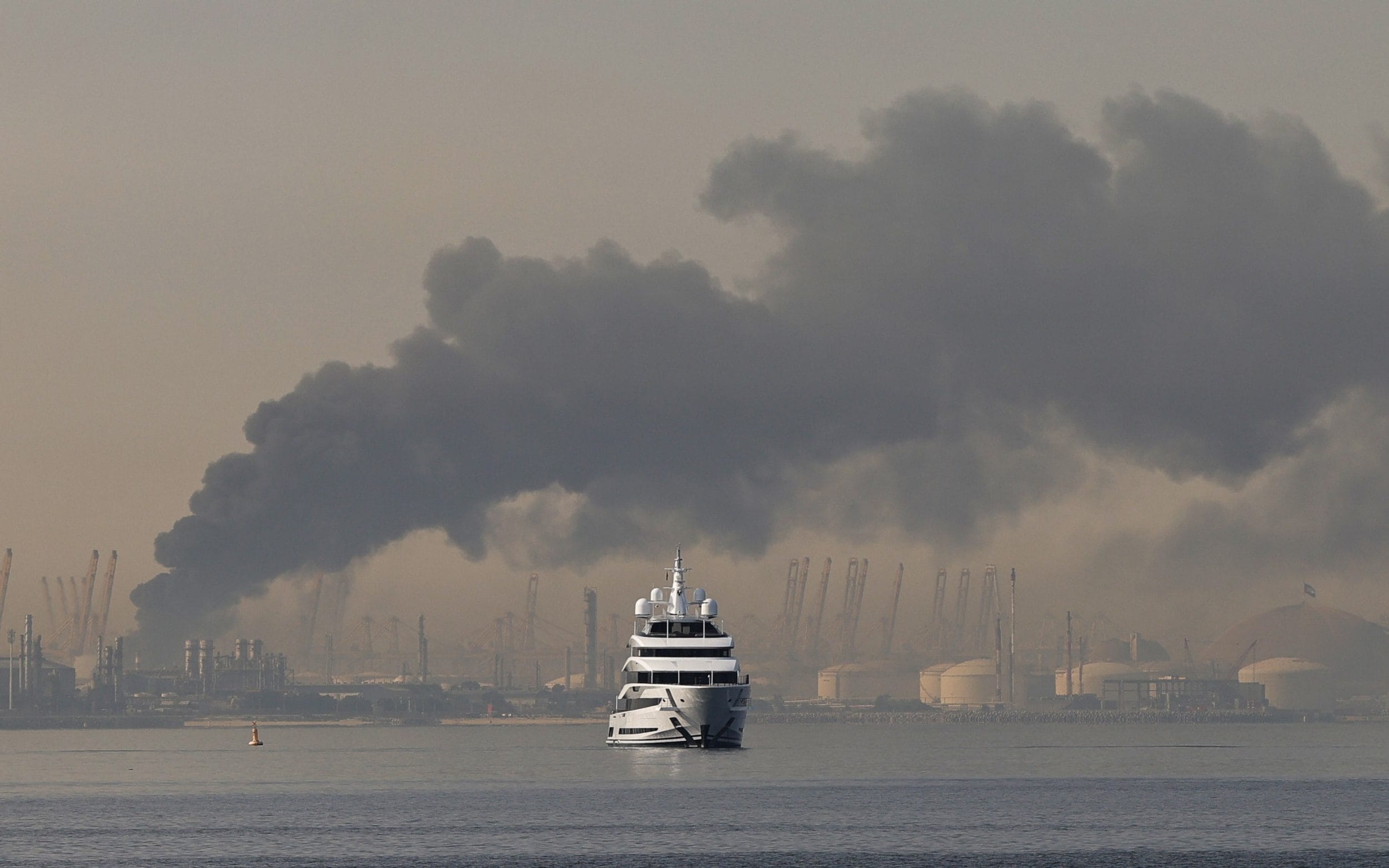
A five-star hotel, the Fairmont on Palm Jumeirah, was hit by Iranian missile debris on Saturday, February 28. Additionally, Abu Dhabi and Dubai’s international airports were also impacted by falling shrapnel from intercepted missiles, along with the Burj Al Arab hotel and Jebel Ali Port.
UK Foreign Office Updates Travel Advice
The UK Foreign Office has updated its advice to Dubai, warning against all non-essential travel to the United Arab Emirates as tensions escalate in the Middle East. It has also updated its advisories for Qatar, Bahrain, and Kuwait. The FCDO advises that British nationals should “immediately shelter in place,” urging them to “remain indoors in a secure location, avoid all travel and follow instructions from the local authorities.”
Flight Resumption and Disruptions
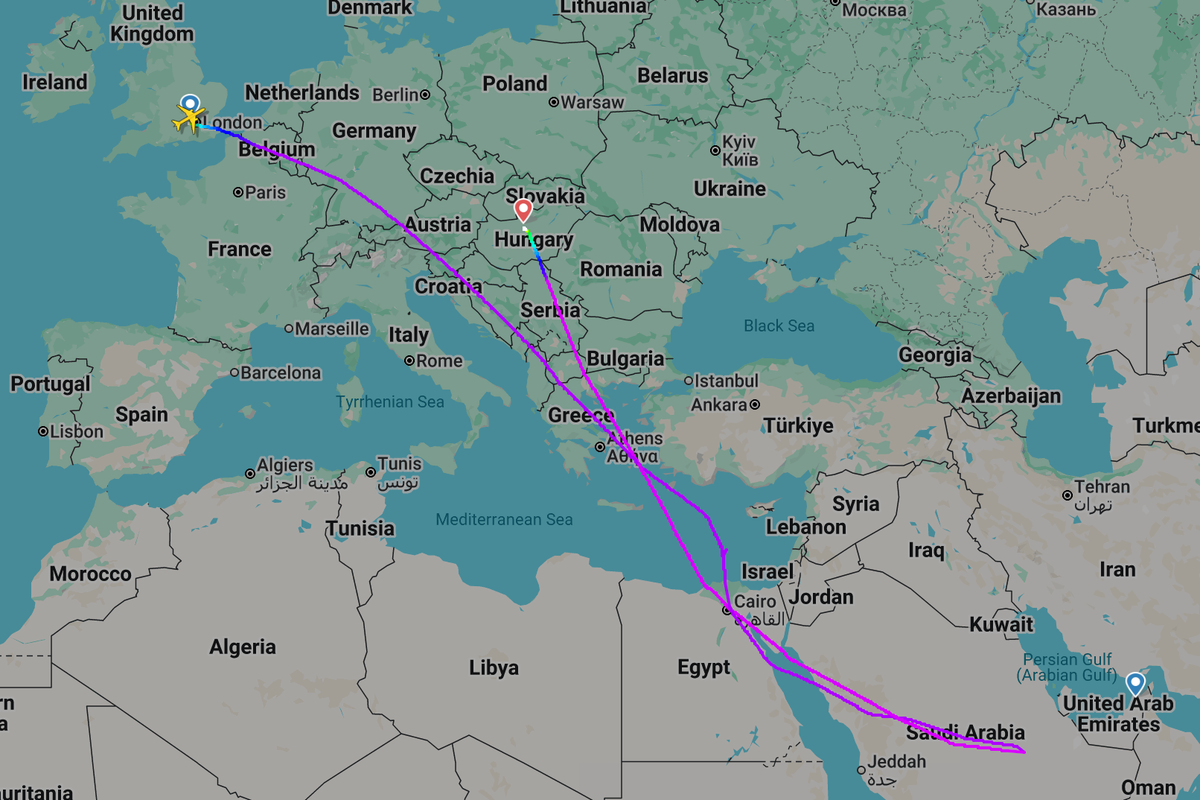
Flights to and from Dubai and Abu Dhabi airports have now resumed on a limited basis. Etihad and Emirates are operating reduced schedules, along with some European airlines, including British Airways and Virgin Atlantic. On March 5, Emirates carried 30,000 passengers out of Dubai. The airline claims it will fly to around 60% of its route network by March 7, reaching 100% in the coming days, subject to airspace availability.
According to data from aviation analysts Cirium, as of 11am on Friday, March 6, 12 of 32 flights from the UK to the UAE were cancelled, and 16 out of 32 return flights were also cancelled. There is still significant disruption, and it will take time to repatriate all of the stranded British holidaymakers in Dubai.
The UK government is planning to evacuate British citizens on charter flights via Oman, although the first flight out of Muscat, which arrived in the UK on Friday morning, was delayed due to technical issues.
Is Dubai Still Being Targeted?
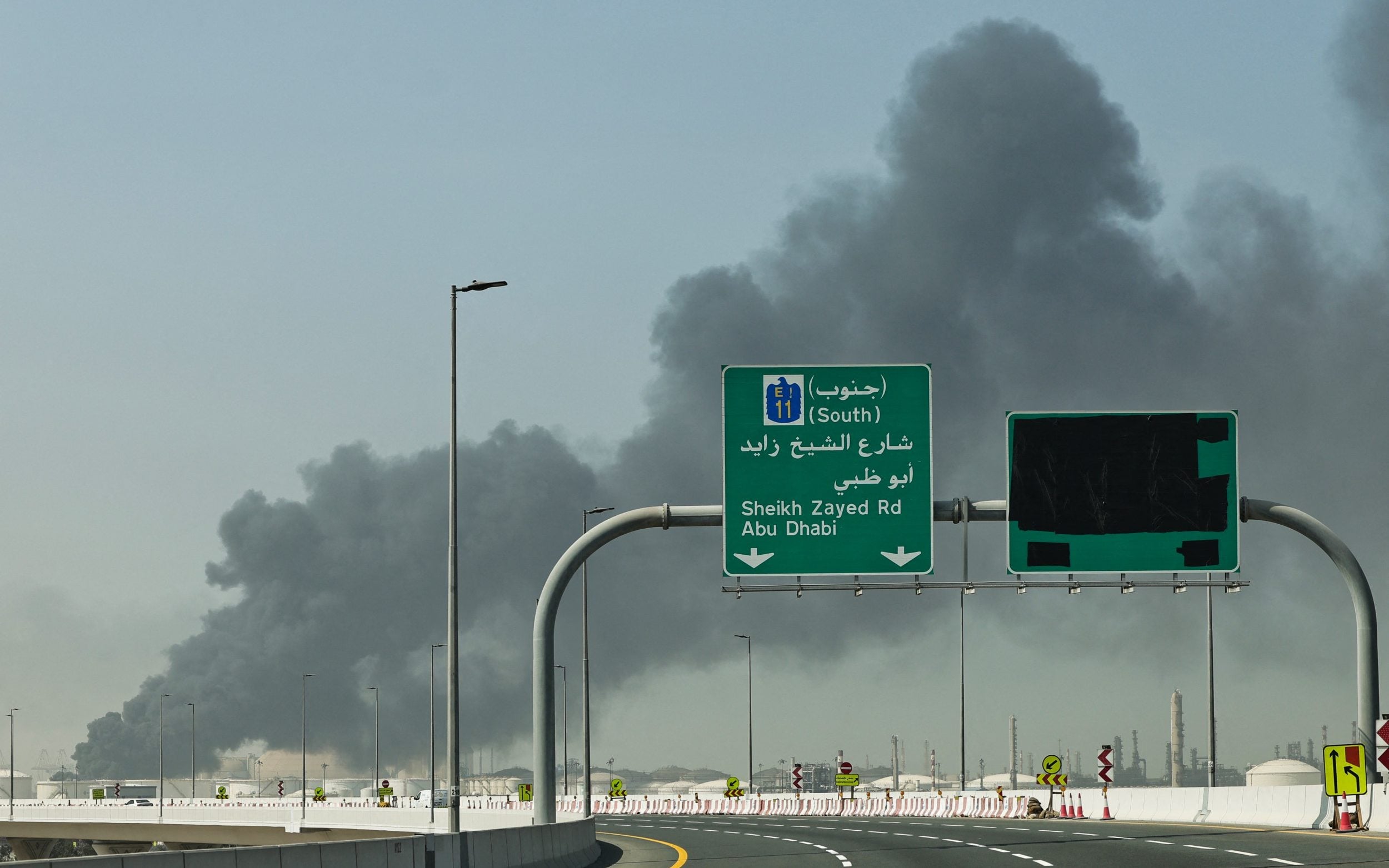
On Friday, March 6, the UAE’s Ministry of Interior issued a new emergency alert urging people to seek shelter amid warnings of a potential missile threat. The message told the public to move to the nearest secure building and to stay away from windows, doors, and open areas.
Last weekend, debris from an intercepted Iranian missile struck the Fairmont, a tourist hotel on the city’s Palm Jumeirah district, and Dubai International Airport was struck by debris from an Iranian missile. There were also reports of shrapnel damage at the Burj Al Arab and the Port of Jebel Ali, along with other civilian sites in the city.
Proximity to Iran
Dubai is approximately 90 miles from Iran, a shorter distance than Portsmouth to Le Havre, France. It lies just west of the Strait of Hormuz, a vital waterway through which one-fifth of the world’s oil supplies pass daily. Dubai sits about 1,325 miles from Tel Aviv, a similar distance from London to Kyiv.
Terror Threat in Dubai
The FCDO notes that there is a high threat of terrorist attacks globally. On the United Arab Emirates, the FCDO advises: “Terrorists are likely to try to carry out attacks in the UAE. Attacks could be indiscriminate, including in places visited by foreign nationals. Terrorists continue to issue statements threatening to carry out attacks in the Gulf region. These include references to attacks on Western interests, including against UK citizens.”
The FCDO lists military sites, transport hubs, and crowded places as potential targets.
What If You Are Traveling Soon?
The Foreign Office now warns against all but essential travel to the United Arab Emirates. If you have booked travel with a tour operator and this warning remains in place, your trip may be cancelled closer to the time of departure; contact your travel provider for an update. Travel insurance is usually invalidated when the FCDO updates its advice to warn against travel to a country.
If you have a flight booked and your travel is essential, you should contact your airline to see if the flight is due to depart as scheduled. Expect long-lasting disruption into this week and beyond.
Because the FCDO has now issued formal advice against the UAE, British travelers may be eligible for a refund if flights or holidays have been affected. Contact your travel insurance provider to check your policy details.

What If Your Flight Was Cancelled?
If your flight has been cancelled and you booked with a UK or EU airline, under duty of care rules, they must offer you either a full refund or a seat on the next available alternative service, even if it is with a rival carrier. They must provide you with accommodation and meals. You will either be issued vouchers, or expected to make your own arrangements and reclaim the money back later. Given the scale of the disruption, it is likely you will have to do the latter.
The same rules apply if you have booked your flight as part of a package holiday; contact your tour operator. Once again, you should keep costs to a minimum. Keep your receipts, as well as evidence such as screenshots, to prove that you bought the cheapest available tickets.
If you booked with a non-UK or non-EU airline, such as Emirates or Etihad, your rights will depend on your airline’s terms and conditions. You may be able to claim back on your travel insurance; check the wording in your policy.
Future of Tourism in Dubai
“Governments will need to loosen their travel advice to the region as quickly as possible once it is safe to do so, and that will also help recovery. Destinations can be stymied by travel advice that is not updated quickly enough in the aftermath of a major conflict,” said Paul Charles, CEO of travel consultancy the PC Agency.
One think tank estimates a significant drop in tourist arrivals: “We estimate inbound arrivals to the Middle East could decline 11–27 per cent year-on-year in 2026 due to the conflict,” said Director of Global Forecasting at Tourism Economics, Helen McDermott, and Senior Economist Jessie Smith. “In absolute terms, this would mean a range of 23 to 38 million fewer international visitors compared to our previous forecast, and $34–56bn loss in visitor spend.”
Some industry professionals, however, are more optimistic. Julia Lo-Bue Said of the Advantage Partnership says: “Looking at places like Egypt and Turkey, history shows there is a moment when a big event has an impact [on tourism]. Quickly, we do see it come back.”
“Dubai has a strong and proven track record of managing periods of global disruption with agility and coordination, consistently prioritising care of citizens, residents and visitors, while maintaining world-class service standards,” said a spokesman for the Dubai Department of Economy and Tourism (DET).