A Journey Through Oman
Oman is one of those countries that naturally draws you in. I love traveling to new places without any preconceptions, and Oman certainly fits the bill. We often hear a lot about its neighboring countries, but Oman has always remained somewhat of an enigma.
You don’t need to have visited the UAE to form your own ideas about Dubai, and even Saudi Arabia is experiencing a tourism boom. However, Oman seems to be going its own way, quietly developing without much fanfare. Up until the 1970s, Oman was largely underdeveloped, and that’s what I expected to find when I first arrived at Muscat Airport. I couldn’t have been more wrong.
After spending a couple of interesting days exploring Muscat, the modern capital, and the old-world charm of Muttrah, I decided to venture out of the city. Since my hotel was close to the airport, I looked up day trips by air for the next day and settled on Salalah.
Pushing for Yemen
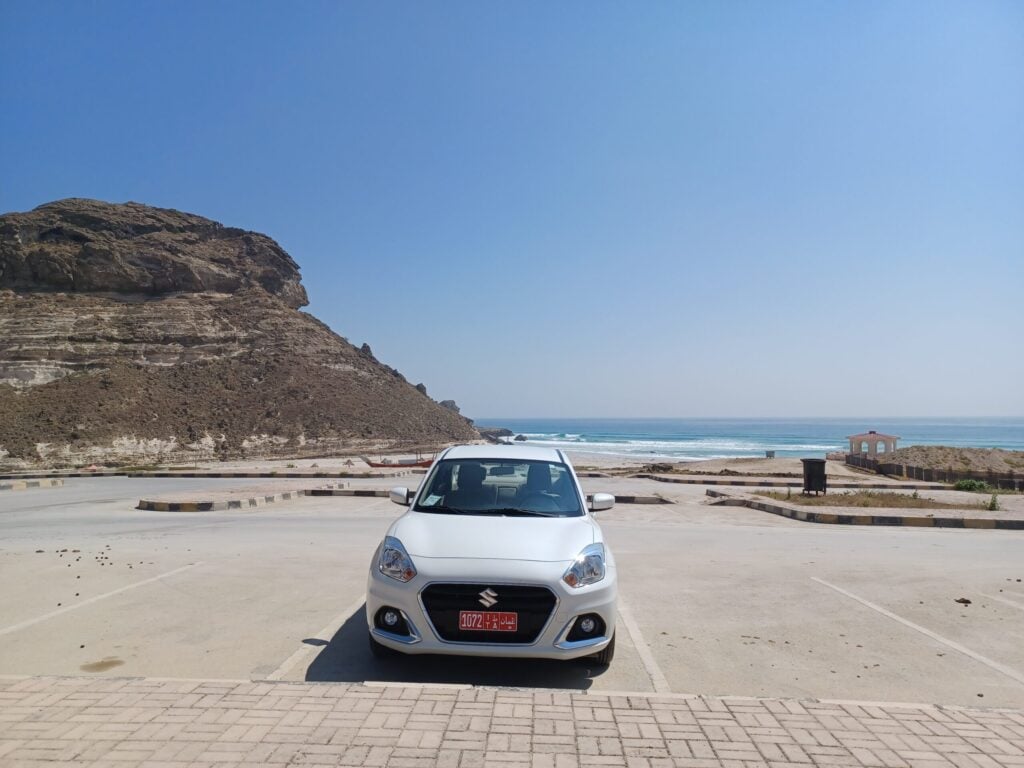
When I booked my flights to Salalah, my initial plan was to explore the city and its museums, then spend the rest of the day relaxing on the shores of the Indian Ocean. However, upon discovering that there was no bus connecting Salalah Airport with the city, I opted to rent a car instead.
This decision allowed me to explore Oman’s stunning south coast. My first thought was to get as close to the Yemeni border as possible.
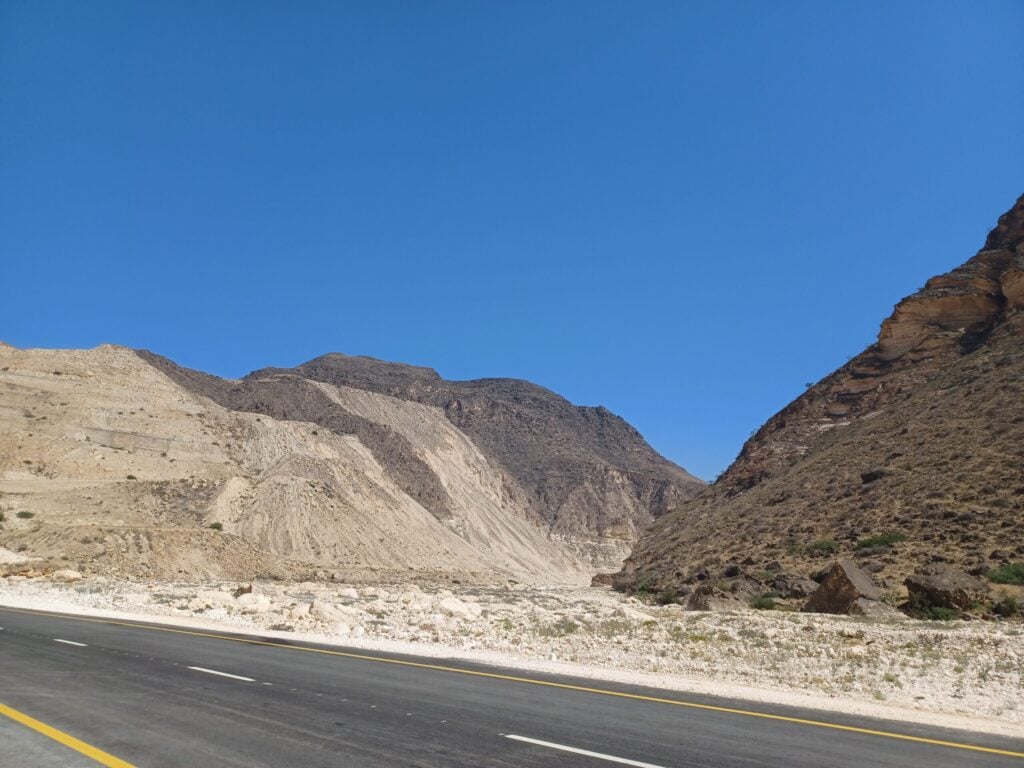
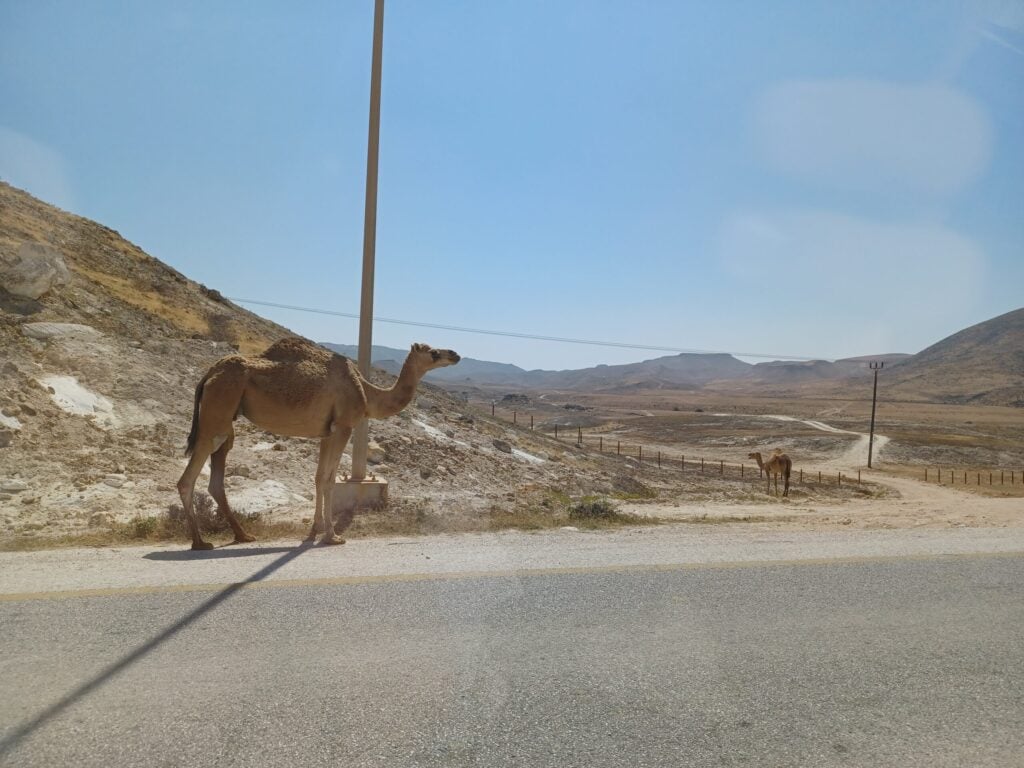
I headed west from the airport along Highway 47, which runs from Salalah to the Yemeni border crossing at Sarfayt. Around 20 miles from the city, the road joins the coast, hugging it for the next 30 or so miles. The views were breathtaking, especially where the road winds through the mountains. Just before the coastal village of Shaat, I reached a checkpoint.
Earlier in the week, I had taken a road trip through Jordan, where police checkpoints were common. They were usually casual and friendly affairs. This was different. The checkpoint near Shaat was manned by the Omani Army, all armed with machine guns, which they didn’t look afraid to use. My passport was taken away by a stern-looking private, and I was left waiting for what felt like an eternity. When he finally returned, I was warned in no uncertain terms to turn back at the next checkpoint.

Just beyond a rundown roadside mosque at Ashqool, I found that checkpoint and heeded the warning. I was still some 40 miles from the border.
Coastal Beauty
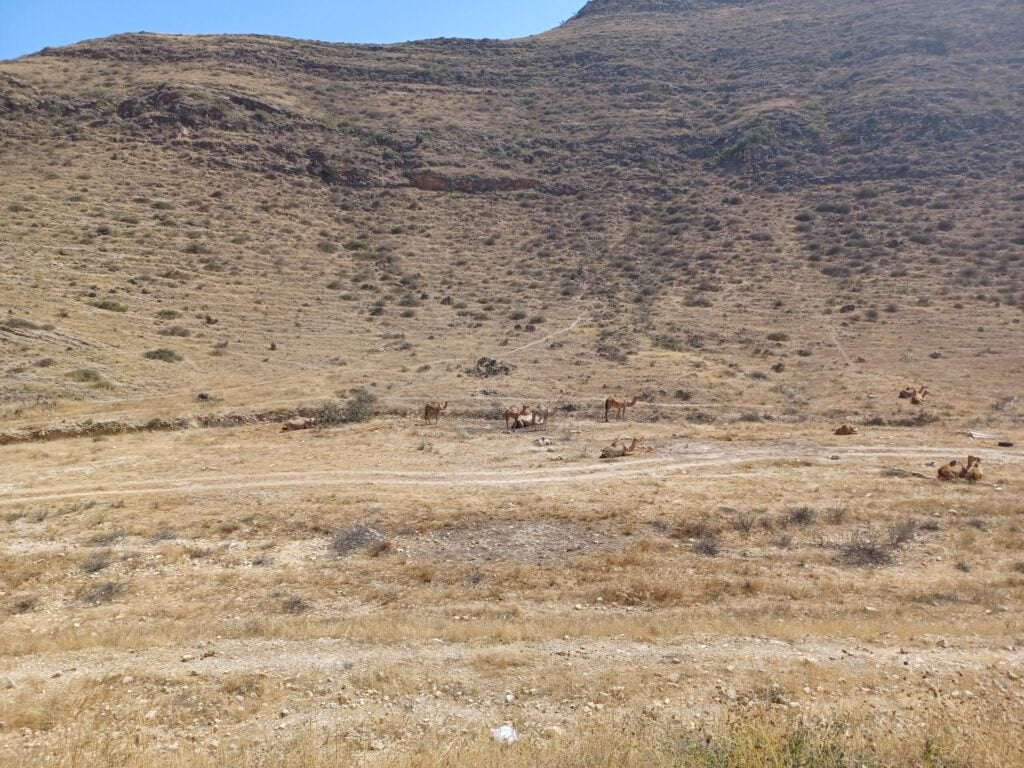
I took the drive back towards Salalah at a more leisurely pace. The stern-looking private at the Shaat checkpoint waved me through without interrogation, and soon I was nearing Mughsail Beach, one of Oman’s finest.
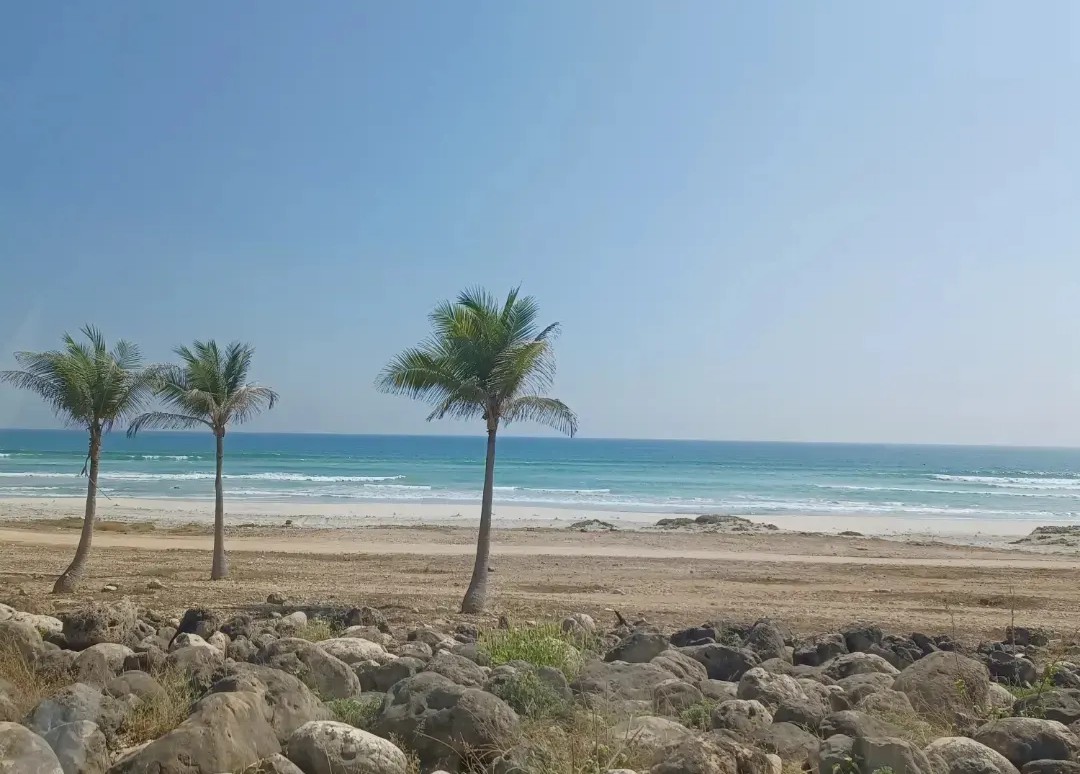
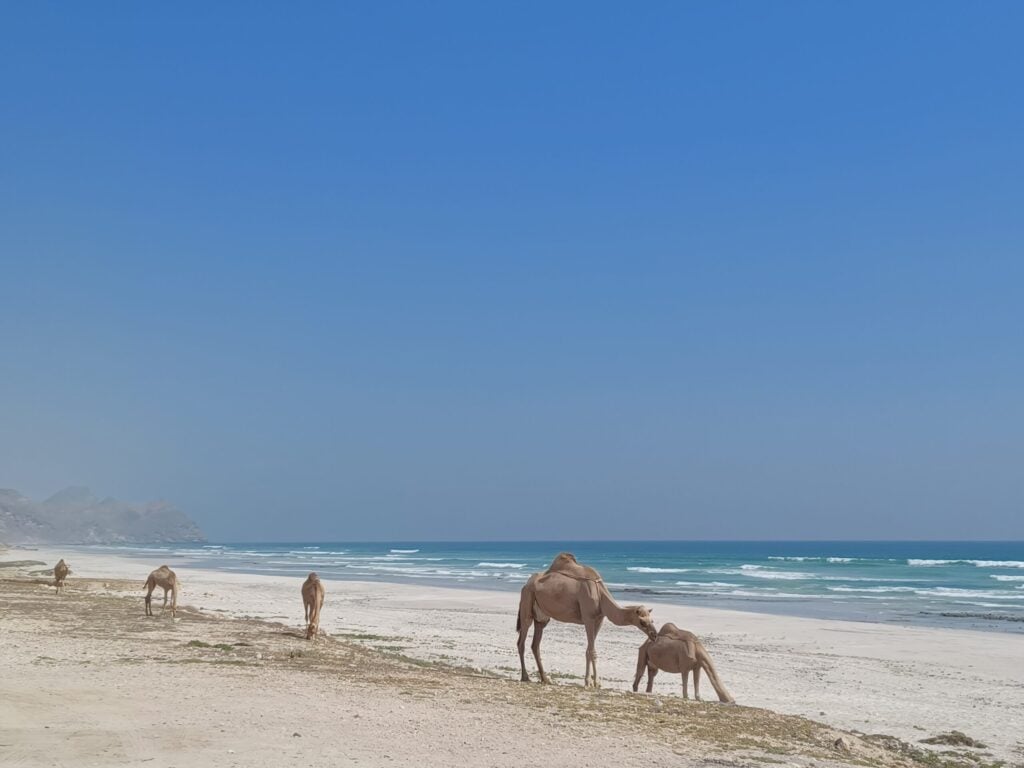
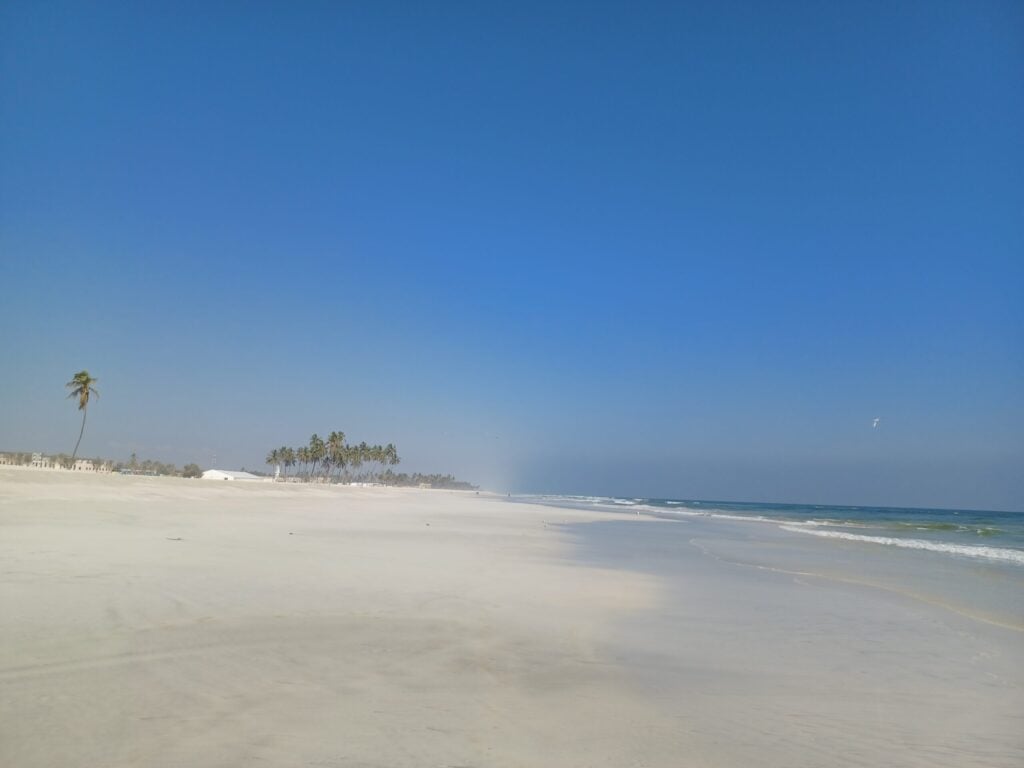
Mughsail Beach is one of Oman’s more famous tourist destinations; as such, it surprised me in two ways. Unlike most tourist beaches, Mughsail has been left untouched. There are no cafes, no shops, no sunlounges—just pure beauty. Moreover, there was no one else there. I spent quite a while pondering life on the shores of the Indian Ocean. It’s a rare luxury to have such a beautiful spot to oneself. Sadly, my solitude was soon shattered by a Swiss family who appointed me as their official photographer.
From Beautiful Beaches to an Ugly City
My peace shattered, I took the cue to bid the camels of Mughsail farewell and retreat to Salalah. There was really only one place on my hit list: the Museum of the Frankincense Land.
It took a bit of finding, and I drove past the entrance more times than I’d care to admit. I rarely say this, but the searching wasn’t really worth it. I explored its two halls, one on Omani history, which, if I hadn’t already been to the National Museum in Muscat, would have been intriguing. The other told stories of Oman’s maritime heritage.
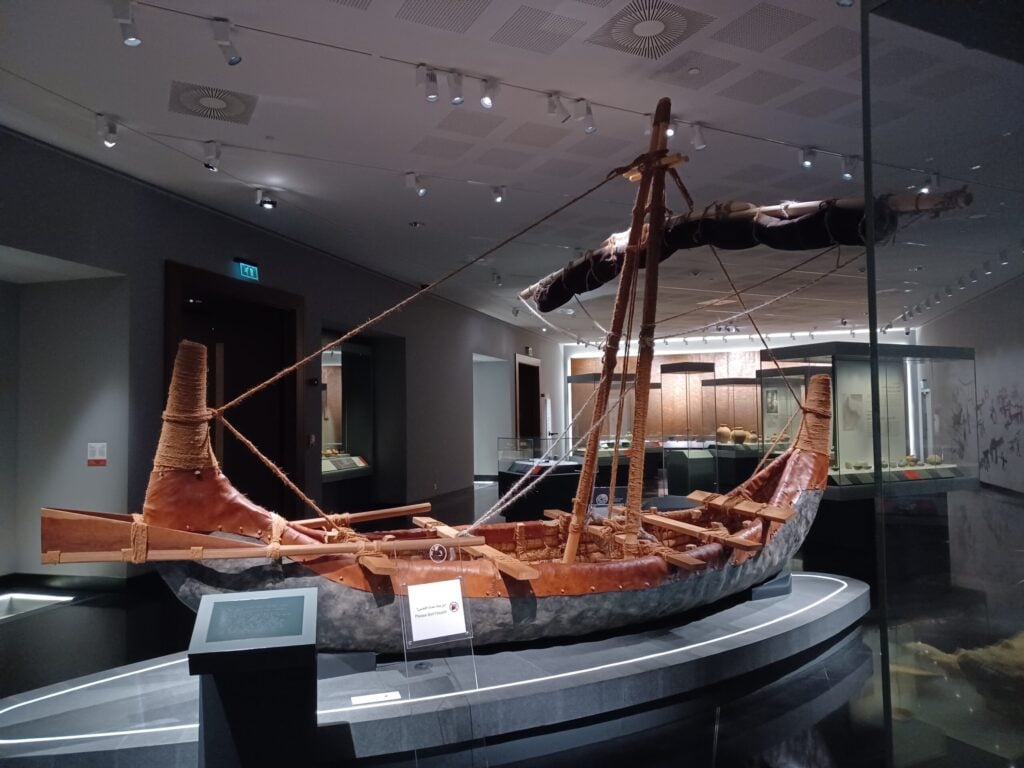
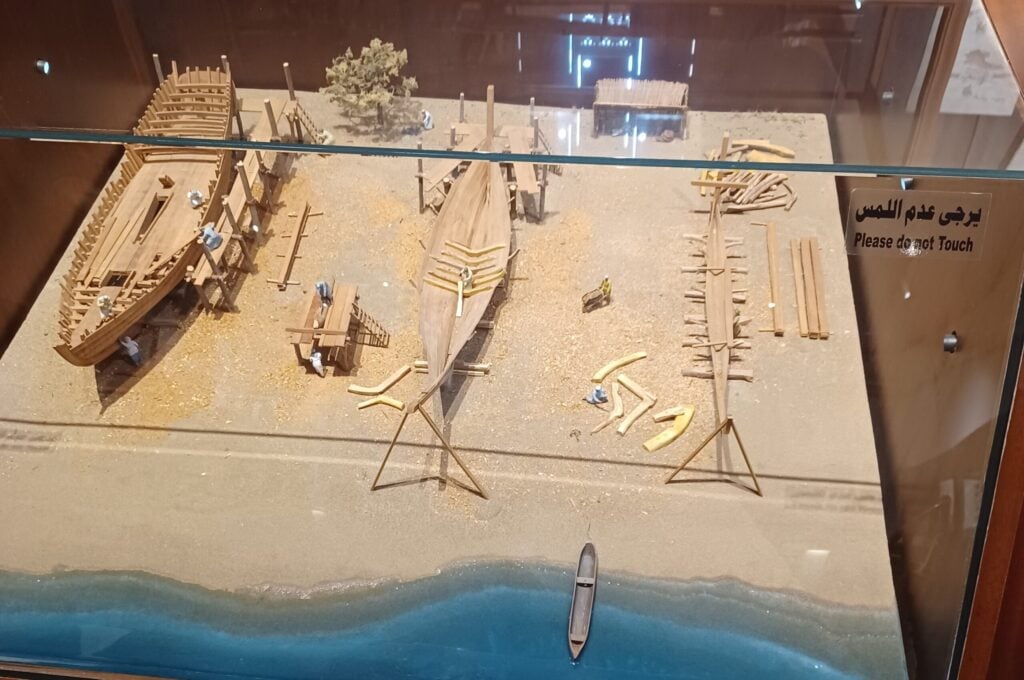
Nowadays, Oman has oil to thank for its wealth. But for millennia, it was the sea which provided Omanis with a living. A particularly interesting part of the museum was a model showing the stages of building a dhow, the traditional wooden boats which ply the Indian Ocean. It was these vessels which enabled Oman to create trade links with the Indian subcontinent and the Horn of Africa.
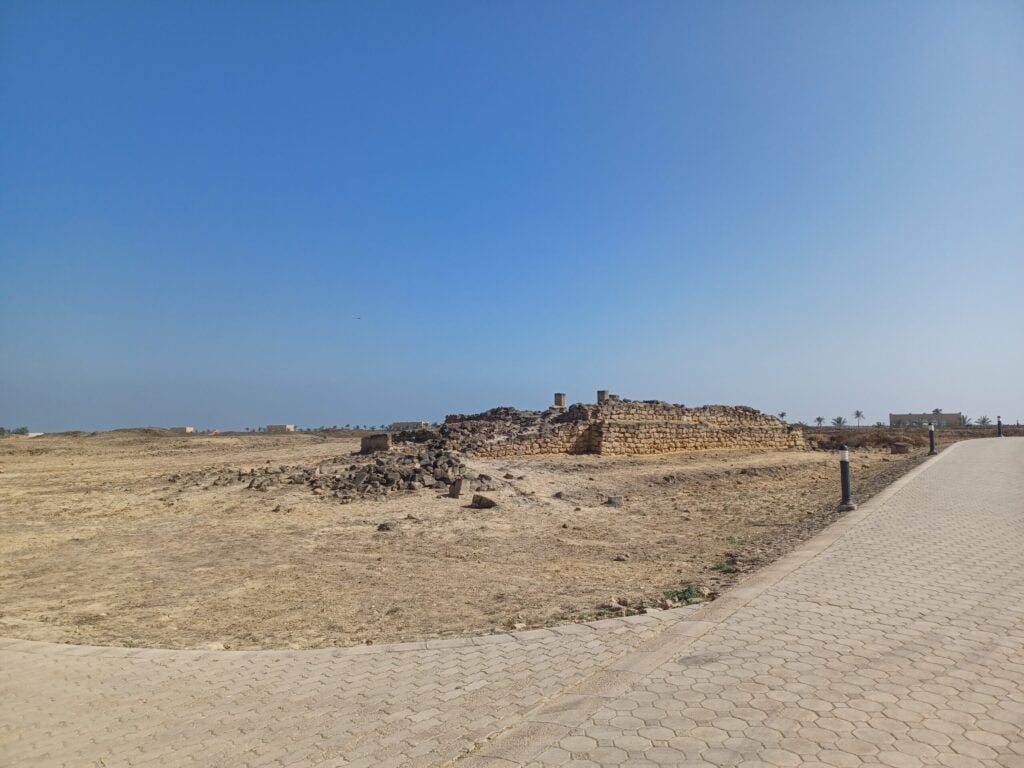
A few interesting exhibits aside, after considerably less than half-an-hour, I’d run out of the museum and headed outside to stroll around Al Baleed. A UNESCO-listed archaeological site, Al Baleed contains the ruins of the ancient city of Zafar. Zafar was once a source of great wealth for Oman. The main port for the export of frankincense, it attracted traders from all over the world. It was only in the 16th century that Zafar began to dwindle into obscurity.
With a few hours until my flight back to Muscat, I headed into the center of Salalah and soon left again. In my notes, I have written “like Blackpool.” If you’re not British, this probably won’t mean much to you. Blackpool is a very rundown, cheap seaside resort in the north of England which is a shadow of its former self. Safe to say, Salalah did little to inspire me.
I drove back out of town until I found a small souq and a few shops with a large, empty car park. After a quick gaze around the souq, I headed outside onto Al Hafa beach. I may have been minutes from Salalah, but I felt a world away.
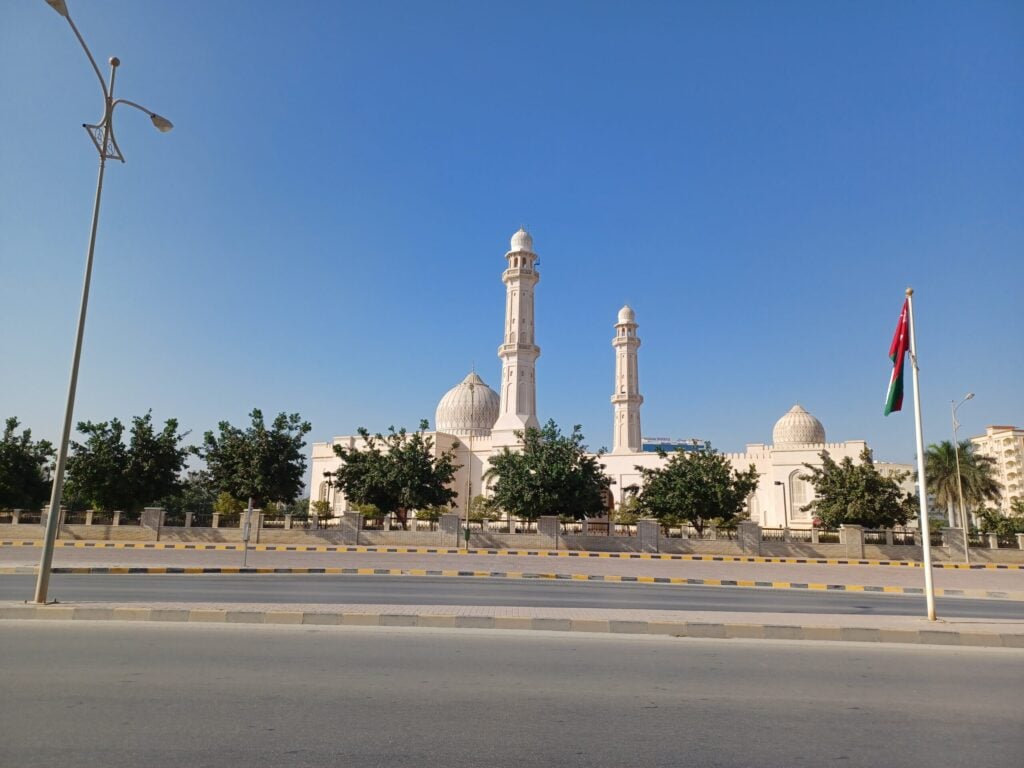
I bought an ice cream from a small shop staffed by a boy who couldn’t have been older than 10 and spent what was left of the day strolling along the Indian Ocean. On the way back to the airport, I took a little detour in search of the Sultan Qaboos Mosque.
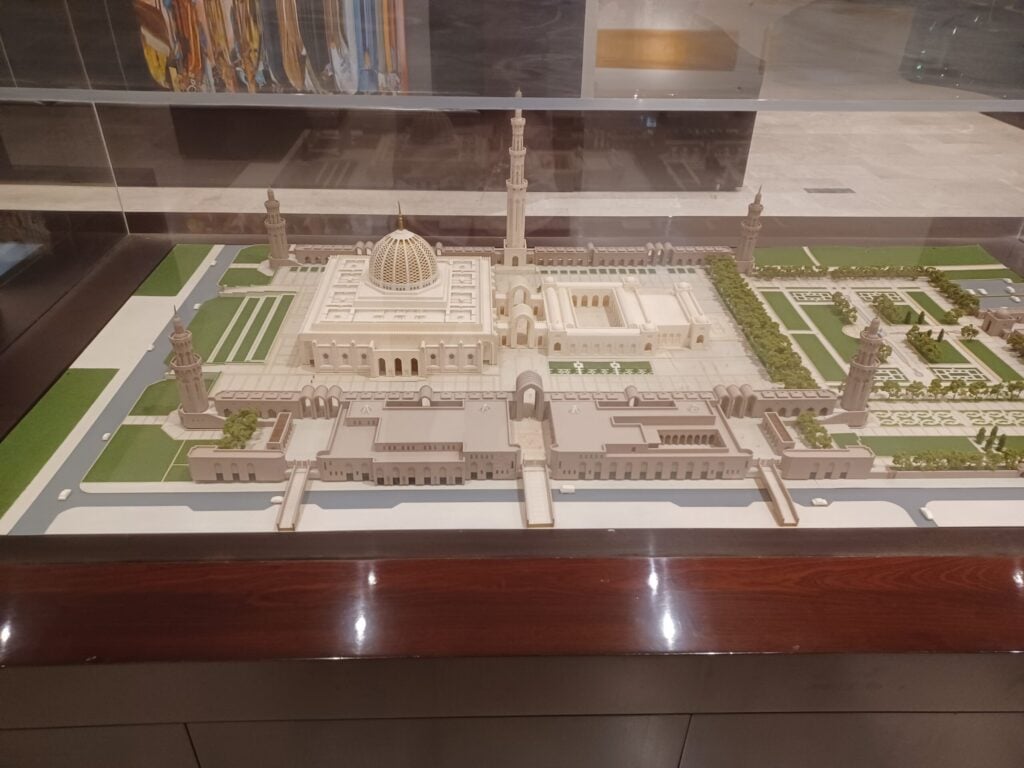
Qaboos himself was a fascinating man. It was he who brought Oman into the 20th century, turning it from an underdeveloped backwater to one of the major players of the Arabian Peninsula. There are a few in Oman who don’t hold him in very high regard. His mosque, unfortunately, was closed to visitors, but if the outside is anything to go by, it must be quite a sight.