Unexpected Electrical Failure Forces Emergency Landing
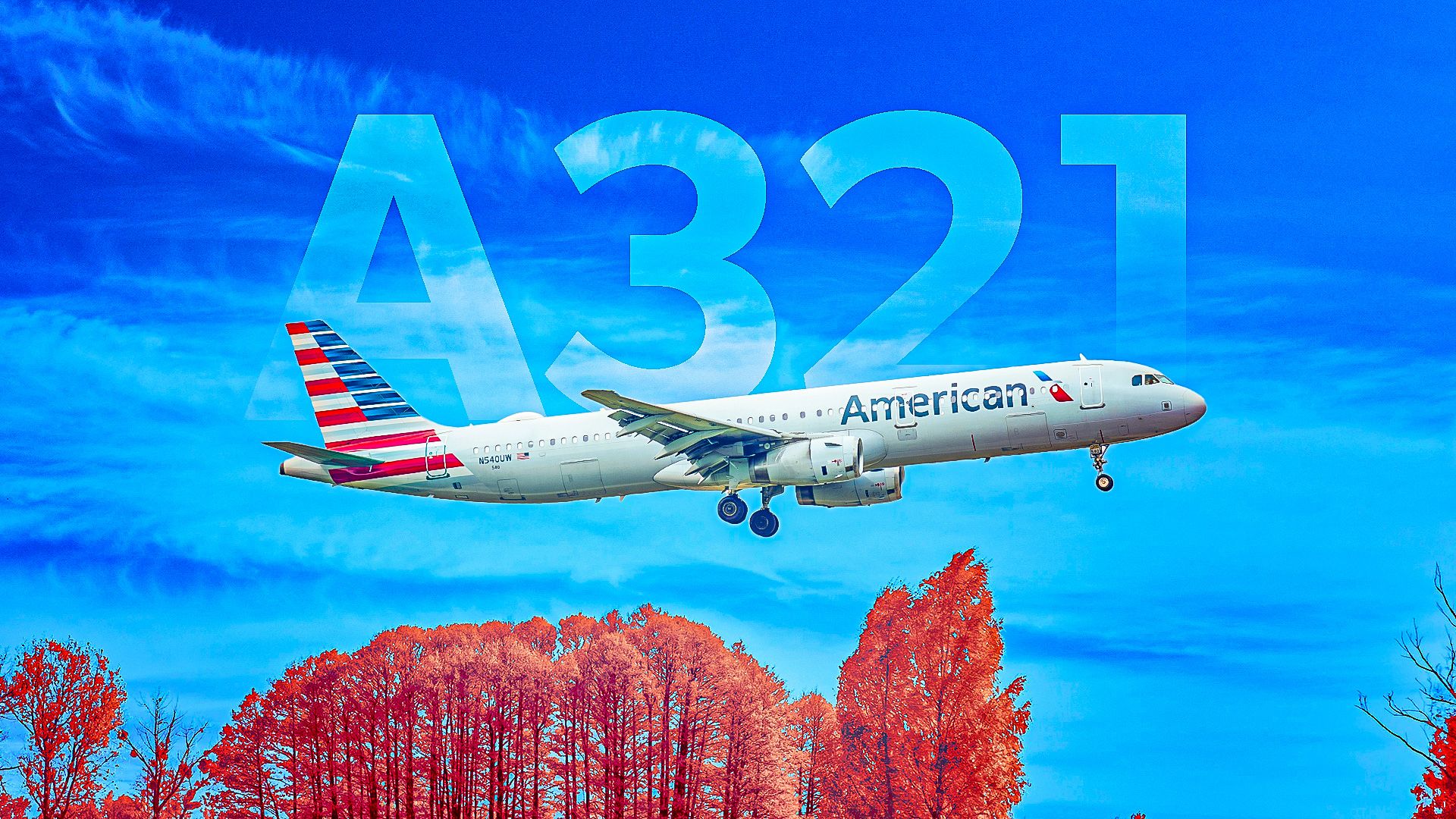
An American Airlines Airbus A321, en route from Philadelphia to Salt Lake City, experienced a critical electrical failure shortly after takeoff, leading to an unscheduled landing in Baltimore. The incident involved a dual engine generator failure, which triggered the deployment of the aircraft’s Ram Air Turbine (RAT). This backup system is designed to provide essential power to critical flight systems during emergencies.
The aircraft, registered as N556UW, departed Philadelphia International Airport (PHL) at 7:25 PM local time on Thursday evening. It was scheduled for a five-hour flight to Salt Lake City International Airport (SLC), but the journey took an unexpected turn just 20 minutes into the flight. As the plane climbed through 26,000 feet, it stopped its ascent and made a sharp turn back toward Philadelphia, squawking 7700—a code used to signal a general emergency. Eventually, the pilots decided to divert to Baltimore/Washington International Thurgood Marshall Airport (BWI).
Flight Deck Communications Reveal Challenges
Recordings from the flight deck, available via LiveATC.net, show that one of the pilots reported an “electrical problem” without providing further details. Another pilot told air traffic control, “It’s dark up here, we’re cleaning up a bunch of stuff… Having a bit of a flight control issue, but nothing uncontrollable.” These statements highlight the tense situation the crew faced.
Operating on emergency power from the RAT, the pilots would have had limited visibility and functionality in the cockpit. Many of their displays would have been blacked out, putting them in an Emergency Electrical Configuration. Despite these challenges, the crew followed emergency checklists and maintained composure, demonstrating the training and preparedness required in such situations.
Backup Systems and Aircraft History
The A321 is equipped with an Auxiliary Power Unit (APU), a small gas turbine located in the tail that can provide power during electrical failures. Pilots typically attempt to activate the APU unless it is inoperative. However, the APU is included on Minimum Equipment Lists (MEL), meaning an aircraft can still fly even if the APU is not functioning.
This particular A321 has a history of maintenance issues. Reports indicate that the flight was delayed by about 45 minutes due to maintenance work. The aircraft, which entered American Airlines’ fleet in 2013 after previously serving US Airways, was reconfigured in 2021 to add premium capacity. It now seats up to 190 passengers, with 20 in domestic first class and 170 in economy.
Aircraft Specifications and Incident Aftermath
The Airbus A321-200 involved in the incident has accumulated over 42,000 flight hours and 17,500 flight cycles since entering service 13 years ago. The aircraft remains grounded in Baltimore more than two days after the event.
This incident underscores the importance of redundancy systems in modern aircraft. Airbus has long emphasized this philosophy, ensuring that planes are equipped with multiple layers of backup systems to handle emergencies. While the exact cause of the electrical failure is still under investigation, the successful handling of the situation by the crew highlights the effectiveness of these safety measures.
Simple Flying has reached out to American Airlines for comment on this incident and will update this story as more information becomes available.