
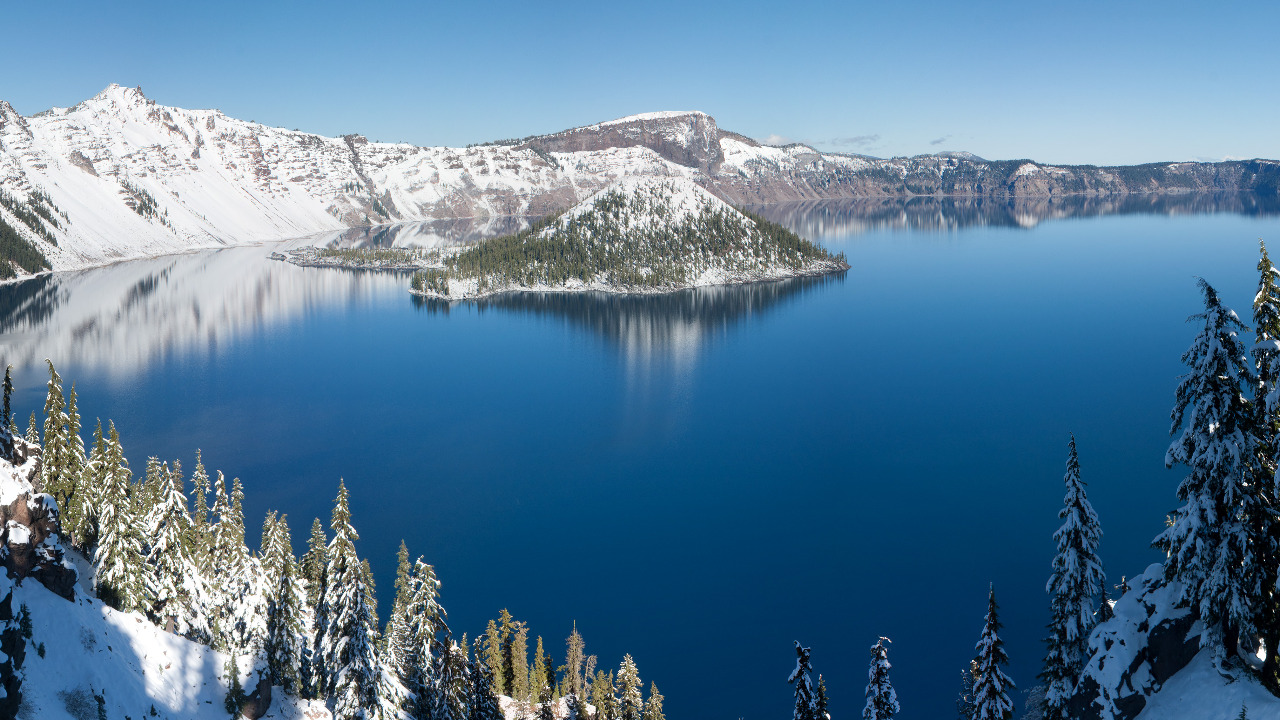
The Majestic Depths of Crater Lake
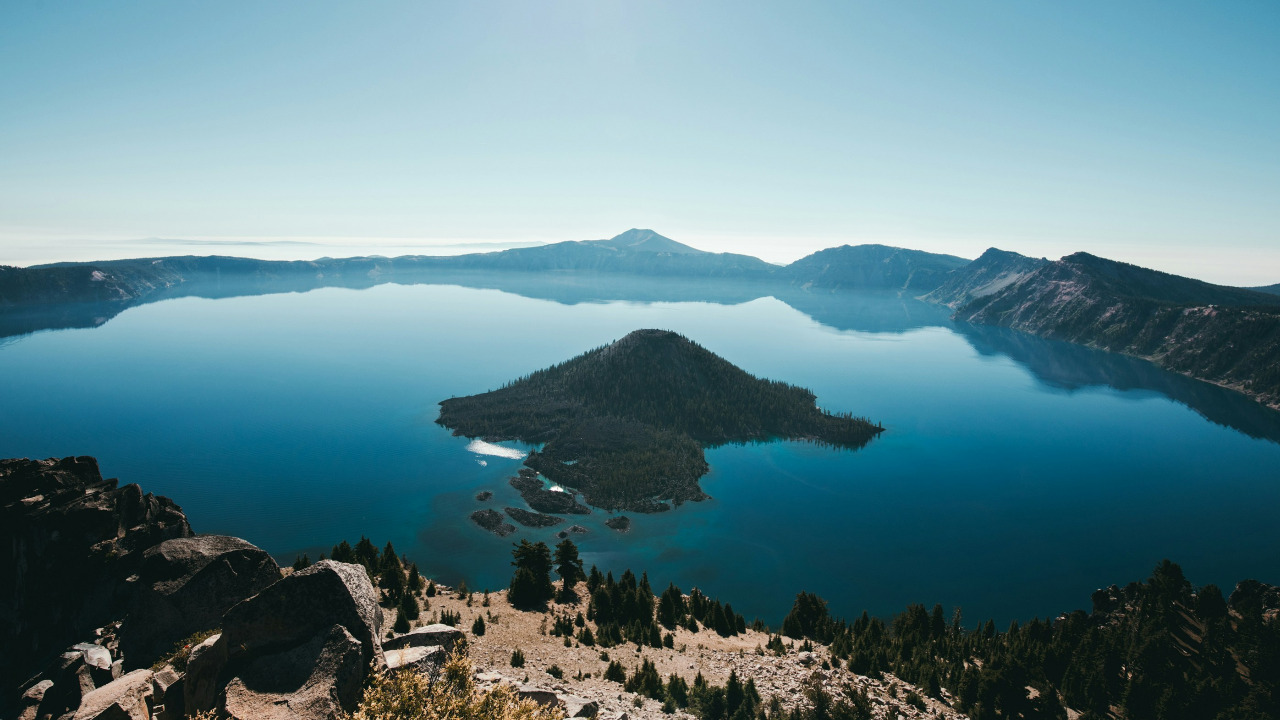
Crater Lake’s origins are as dramatic as its appearance. Formed over 7,700 years ago by the collapse of the volcano Mount Mazama, this caldera lake is the deepest in the United States, plunging to depths of 1,943 feet. The lake’s formation is a testament to the powerful geological forces that have shaped the region, creating a unique and awe-inspiring natural wonder.
The clarity and vibrancy of Crater Lake’s waters are legendary. The lake’s remarkable blue hue is due to its depth and purity, as it is fed only by rain and snow, with no inlets or outlets to introduce sediment or pollutants. This pristine condition allows sunlight to penetrate deep into the water, reflecting back the stunning blue color that captivates visitors.
Recently, swimming in Crater Lake has been banned until 2027. This decision aims to protect the lake’s delicate ecosystem and maintain its water quality. The ban reflects ongoing efforts to preserve the lake’s natural beauty for future generations, ensuring that its waters remain as clear and vibrant as they are today.
Scenic Views and Natural Wonders
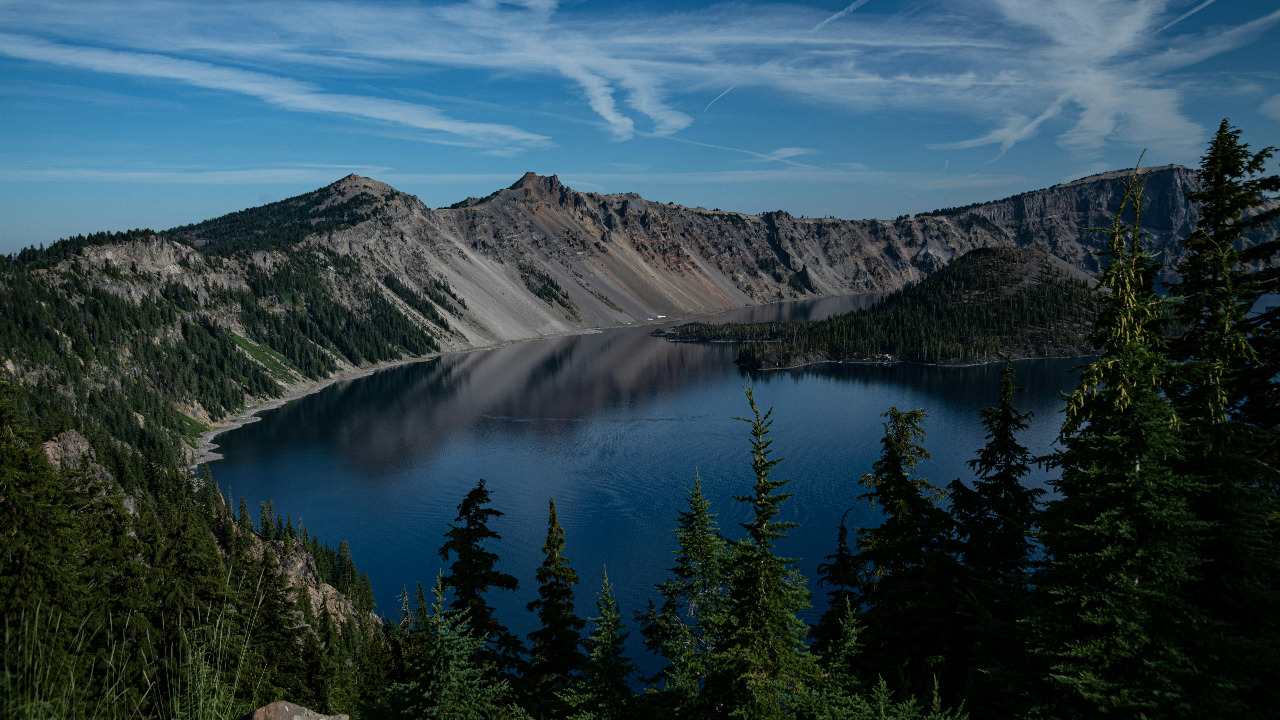
Crater Lake National Park offers some of the most stunning views in Oregon. Popular viewpoints such as Rim Village and Watchman Overlook provide breathtaking panoramas of the lake and its surrounding landscapes. For those seeking a more secluded experience, lesser-known spots like Cloudcap Overlook offer equally spectacular vistas without the crowds.
The park’s scenery transforms with the seasons, offering a dynamic backdrop for exploration. In winter, the landscape is blanketed in snow, creating a serene and otherworldly atmosphere. As spring arrives, the snow melts to reveal lush greenery and vibrant wildflowers, while summer brings warm temperatures and clear skies. Autumn paints the park in rich hues of red and gold, providing a stunning contrast to the lake’s blue waters.
Wildlife enthusiasts will find plenty to admire in Crater Lake National Park. The park is home to a diverse array of species, from the majestic bald eagle to the elusive black bear. Birdwatchers can spot a variety of avian species, while hikers may encounter deer, foxes, and other mammals along the trails. The park’s rich biodiversity adds another layer of wonder to the visitor experience.
Activities and Adventures
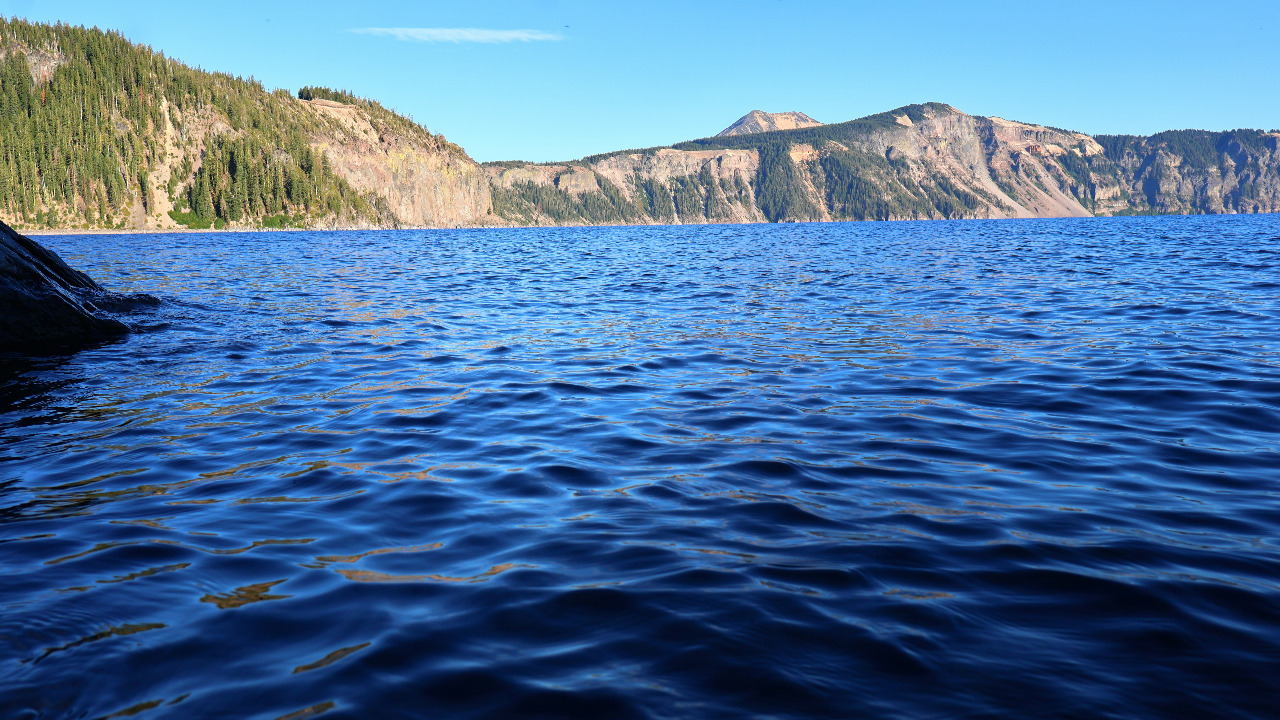
For those eager to explore, Crater Lake National Park offers a range of hiking trails that cater to all skill levels. Easy walks like the Castle Crest Wildflower Trail provide a gentle introduction to the park’s flora, while more challenging treks such as the Garfield Peak Trail reward hikers with panoramic views of the lake and surrounding mountains. These trails offer a chance to immerse oneself in the park’s natural beauty and tranquility.
Exploring the lake by boat is another popular activity. Guided boat tours offer unique perspectives of the lake’s caldera walls and the iconic Wizard Island. These tours provide an opportunity to learn about the lake’s geology and history from knowledgeable guides, enhancing the visitor experience. For those interested in photography, the park’s varied landscapes and changing light conditions offer endless opportunities to capture stunning images.
Photographers will find Crater Lake a paradise for capturing breathtaking images. The best times for photography are during the golden hours of sunrise and sunset when the light casts a warm glow over the landscape. Key locations for photography include the viewpoints along Rim Drive and the shores of the lake itself. With a bit of planning, photographers can capture the park’s beauty in all its glory.
Conservation and Challenges
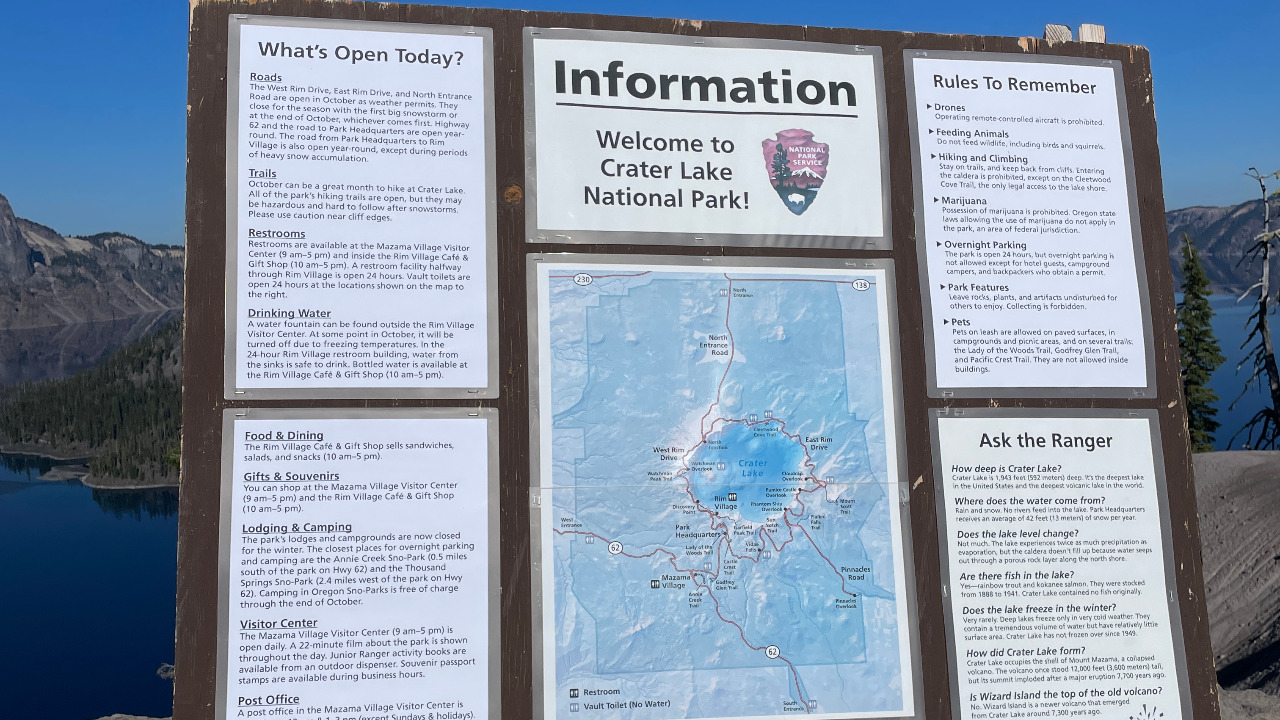
Crater Lake National Park faces several environmental challenges, including the impacts of climate change and human activity. Conservation efforts are underway to address these issues, focusing on preserving the park’s natural beauty and biodiversity. Initiatives include monitoring water quality, managing visitor impact, and restoring native vegetation to ensure the park remains a pristine natural sanctuary.
Tourism is both a boon and a challenge for Crater Lake. While visitors contribute to the local economy, their presence can also strain the park’s resources. Measures such as limiting visitor numbers and promoting sustainable practices are being implemented to minimize negative impacts. These efforts aim to balance the needs of visitors with the preservation of the park’s delicate ecosystems.
Looking to the future, long-term conservation strategies are essential for maintaining Crater Lake’s pristine condition. These strategies include ongoing research, habitat restoration, and community engagement to foster a sense of stewardship among visitors and locals alike. By prioritizing conservation, the park can continue to inspire and delight future generations.
Exploring Beyond Crater Lake
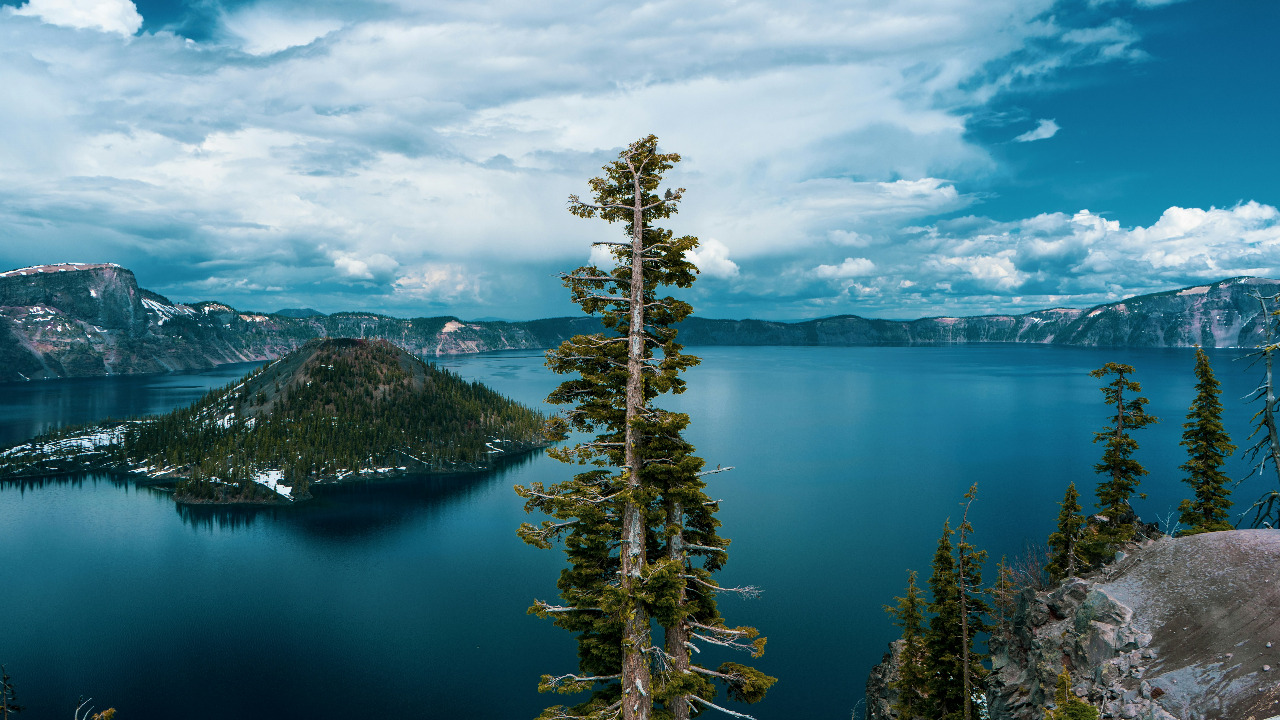
For those looking to explore beyond Crater Lake, Oregon offers a wealth of natural attractions. Waldo Lake, often compared to Crater Lake for its stunning beauty, is a must-visit destination. Known for its clear waters and tranquil setting, Waldo Lake provides a peaceful retreat for nature lovers and outdoor enthusiasts.
The region surrounding Crater Lake is rich in cultural and historical significance. Visitors can explore the area’s Native American heritage, as well as the history of early settlers and the development of the national park. This cultural context adds depth to the visitor experience, offering insights into the people and events that have shaped the region.
Planning a trip to Crater Lake requires some preparation. The best times to visit are during the summer months when the weather is warm and the park’s facilities are fully operational. Accommodations range from campgrounds to lodges, providing options for every type of traveler. With careful planning, visitors can make the most of their time in this remarkable national park.