A Historic Moment for the Yurok Tribe and Condor Restoration
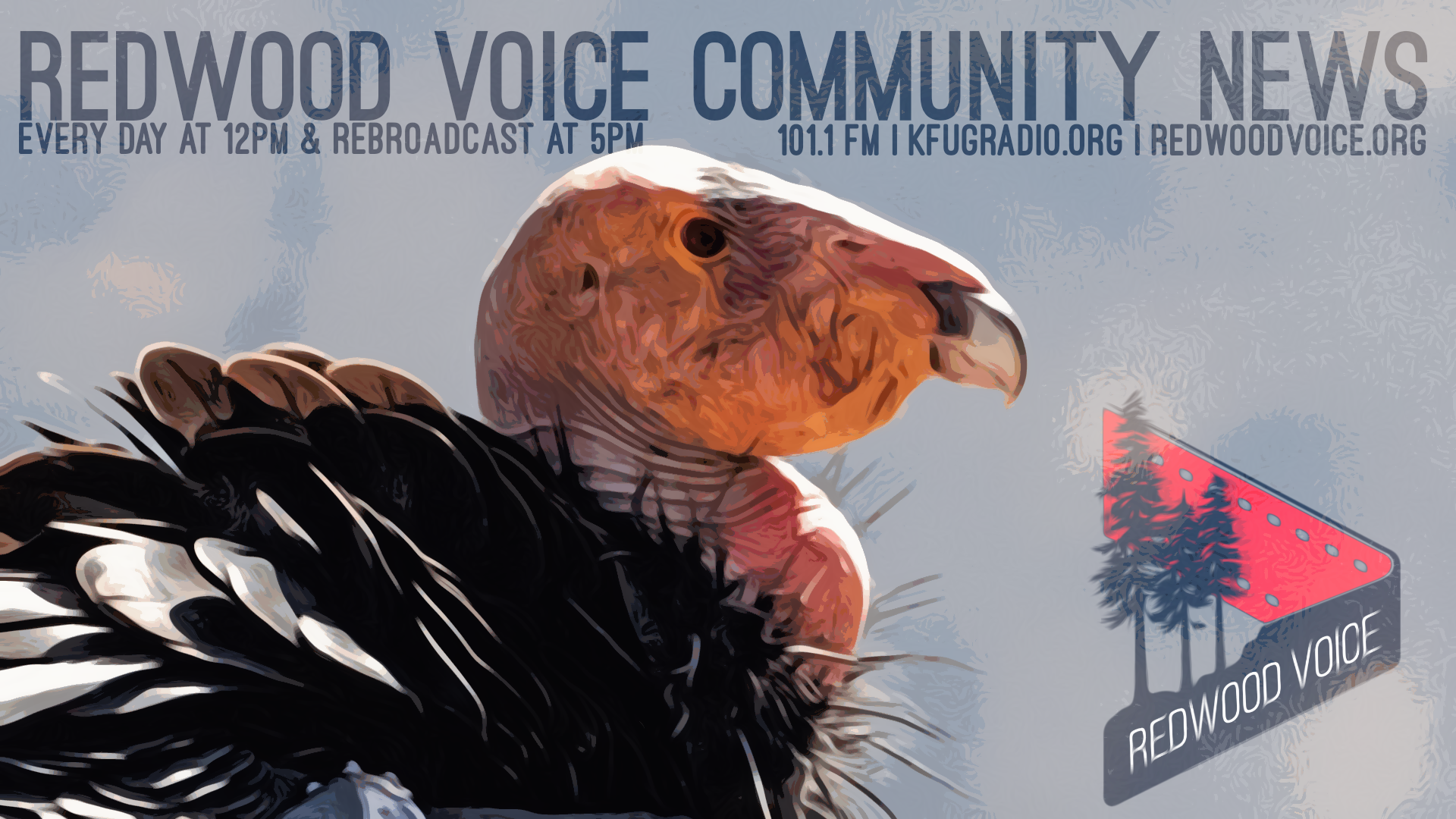
This week, the Yurok Tribe made a groundbreaking announcement: the first condor egg laid in the wild in the Pacific Northwest in over 100 years is likely being cared for by the Northern California Condor Restoration Program’s (NCCRP) first breeding pair. This development marks a significant milestone in the effort to restore the endangered California condor population.
The nesting pair, which includes female A0 and male A1, has been under observation for several years as part of the NCCRP’s efforts to reintroduce condors into their native habitat. These two birds are slightly older than most of their cohort, at 6 years and 10 months, and have reached an age where young condors typically begin to breed.
Two Raptors Come of Age
Chris West, the NCCRP Manager and Yurok Wildlife Department Senior Biologist, explained that the team began closely monitoring A0 and A1 last year as they started spending more time together and away from the rest of the flock. “We were kind of eyeing them, definitely, A0 because she’s the oldest female,” West said. “She’s actually the oldest bird in our flock, and we were thinking, ‘yeah, she’s going to be the one that all the young guys are going to be interested in when she gets of age.’ And so, in watching that, we noticed, last year, that A0 and A1 started really spending a lot of time away from the rest of the flock, right around when you would expect to see birds start to pair up.”
Although the pair was observed wandering away from the flock last year, it wasn’t until this year that they appeared to be engaging in nesting behaviors such as nest swapping and incubation exchanges.
From Apparent Tragedy to a Major Breakthrough
The situation took an unexpected turn when the NCCRP received a mortality signal from A1, the male condor. The signal indicated that the bird had not moved for an extended period, prompting the team to mobilize in case of injury or death. However, a partner suggested that the condor might simply be sitting on an egg.
After reviewing the data, the team confirmed that A0 and A1 were indeed engaged in nest swapping, though they were still learning the behavior. At one point, A1 remained on the nest for eight days.
Despite the excitement surrounding this development, the NCCRP remains cautious. In a press release, the Yurok Tribe noted that in wild populations, the initial eggs produced by breeding pairs often have low survival rates due to the parents’ lack of experience.
Young Parents Learning the Ropes
West explained that condor eggs incubate for just under 60 days, and even after hatching, the parents will need to brood the chick for at least 30 days. During this time, the chick is unable to regulate its own body temperature, so the parents must remain close.
“The parents will also be feeding the chick daily,” West said. “We will be augmenting our schedule. Right now, we don’t put that much food out, but the birds are pretty reliant on us for food. They’re not foraging too much on their own, so we’re going to be putting out a lot more food to make sure that there’s always going to be food available for those parents to be able to come in and get food and feed the chick.”
A Difficult Decision Ahead
One challenge the NCCRP faces is a trapping event scheduled for a month from now. During this event, the birds will be trapped, vaccinated, and checked for lead exposure. If either A0 or A1 shows signs of lead poisoning, the program may have to make a difficult decision.
“If this nest is successful, and there is a chick in the nest, then we’ll be doing that trapping event when that chick’s probably just about a month old,” West said. “The fear always with a chick in the nest is that you get a parent that is compromised from lead, that have to be treated itself. And that’s a big worry.”
West added that while the priority is to treat the parents, the loss of a parent could mean the loss of the entire chick. “The priority in the program is always to treat the parents and hope that the single parent out there can still make it with the chick, and that’s a big worry.”