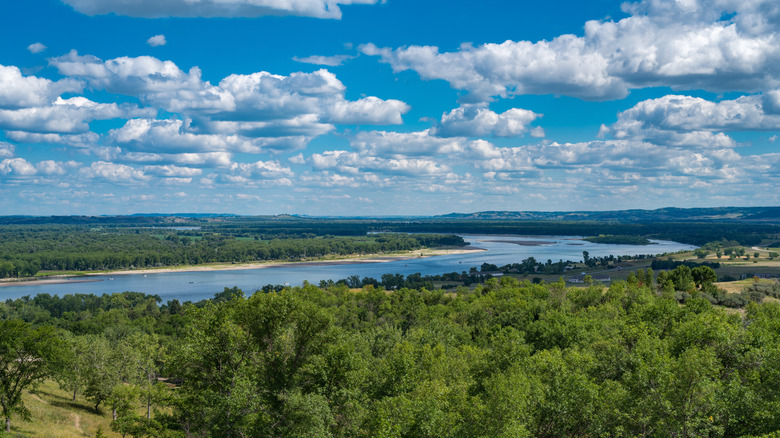
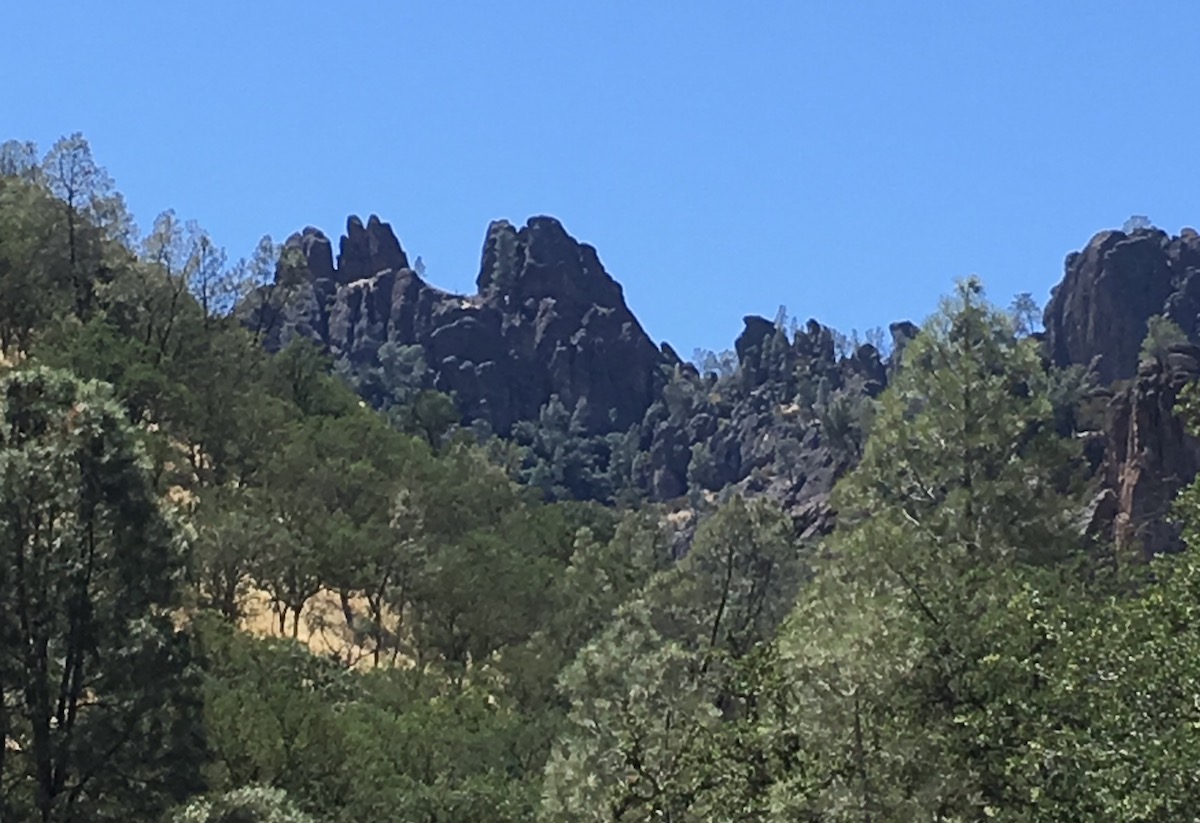
Incorporating over 26,000 acres, Pinnacles National Park protects a mountainous area located east of the Salinas Valley in Central California. Formed by a volcano over 23 million years ago, the pinnacle rock formations are from a volcano that moved 200 miles south along the San Andreas Fault. From wildlife viewing to hiking to stargazing, here are the top things to do in Pinnacles National Park on your visit.
Top Things to Do at Pinnacles National Park
- Stop by the Visitor Center– Learn about the Pinnacles
- Take a Scenic Drive– Explore the park’s natural beauty
- Take a Hike– Discover the trails and scenic views
- Tour the Cave– Visit the unique talus caves
- Spot a California Condor– Witness one of the rarest birds in the world
- Picnic in the Park– Enjoy a meal surrounded by nature
- Attend a Ranger Program– Engage with educational programs
Top Areas to Visit
Pinnacles National Park is divided into an East and a West Side. On my first trip, I didn’t realize that a road does NOT bisect the park; only hiking trails do.
East Side
The East Side of the Park is more developed with the park’s main visitor center, a developed campground and ranger programs. If time is limited, this is where to concentrate.
Bear Gulch and Bear Gulch Reservoir are located on the East Side. The Peaks Viewing Area is another top area to explore.
The High Peaks region of the park is accessible via hiking trails from both sides. To reach this area, hiking on strenuous trails is required.
West Side
The West Side is the less developed side of the park. Visitors will find a contact station (not the same as a visitor center) and hiking trails.
The Balconies area and the Chaparral are located on the West Side. Picnic tables and restrooms are located in the parking area.
Visitor Centers in Pinnacles National Park
Visitor centers are the place to grab maps or Junior Ranger booklets. Most offer interpretive areas to learn more about the area. This is also the place to ask questions and learn about park ranger programming. Restrooms and water bottle fillers are usually located at the visitor center.
- Bear Gulch Nature Center– Located on the East Side, it offers an interpretive area and park rangers. If visitors plan to explore the caves, then stop by the visitor center for a safety briefing. It is located at 2400 Hwy 146, 2400 East Entrance Rd., Paicines, CA. It is open daily from 9 a.m. to 4 p.m.
- Pinnacles Park Store– Located in the campground, visitors can get park maps and find the park cancellation stamp. It also sells official park souvenirs and books. Open daily from 9 a.m. to 4 p.m.
- West Pinnacles Visitor Contact Station– Located on the west side of the park, this area offers fewer services. It is along Hwy 146, 14 miles from Soledad to Pinnacles National Park. It is open daily from 9 a.m. to 3 p.m.
Scenic Drives in Pinnacles National Park
One of the best ways to see a National Park is to drive through it. Remember, there isn’t a road that bisects the park, so to see both sides, you must exit the park.
- Pinnacles Parkway– The scenic road on the East Side, located off California Highway 25. Travelers will find the Bear Gulch area and the Peaks View area.
- Highway 146– On the West Side, this highway from Soledad enters the park. Visitors will see the park’s dramatic volcanic rock formations at the Chaparral and Balconies areas.
Where to Hike in Pinnacles National Park
Pinnacles National Park features 30 miles of trails, from easy to moderate. There are several trails that work for families with young kids, like Bear Gulch Cave Trail and Moses Spring Trail.
East Side
- Pinnacles Campground to Bear Gulch Day Use Area– A 2.3 miles one way trail with a 300-foot elevation change.
- Moses Spring to Rim Trail Loop– A 2.2 miles round trip trail with a 500-foot elevation change.
West Side
- Prewett Point Trail– A .9 miles round trip trail with a 70-foot elevation change.
- Jawbone Trail– A 1.2 miles one way trail with a 560-foot elevation change.
- Balconies Cliffs-Cave Loop– A 2.4 miles round trip trail with a 100-foot elevation change.
Pinnacles National Park is also a popular destination for rock climbers. Check in with the Visitor Center for more information.
The Caves in Pinnacles National Park
Pinnacles National Park is home to two Talus Caves. They are formed by massive volcanic boulders wedged into steep, narrow canyons.
- Bear Gulch Cave– Located on the East Side, it is divided into two sections: the Lower Cave and the Upper Cave. The cave is home to the Townsend’s big-eared bats, a protected species. Both sections are closed from mid-May through mid-July. Check in at the Visitor Center for the latest information and pack a flashlight or headlamp.
- Balconies Cave– Located on the west side. It is subject to closure due to rain run-off. Check in with the Visitor Contact Station on your visit to see if the cave is open.
What Wildlife Lives in Pinnacles National Park
Visitors can spot wildlife in the park, though dawn and dusk are the best wildlife viewing times. The Park Rangers can also point out areas with the best chance of seeing wildlife.
Mammals include bobcats, mule deer, mountain lions and gray fox. It is also home to 13 types of bats. There are numerous smaller mammals like rats, raccoons and skunks.
Birding is especially popular in Pinnacles National Park. It partners with several foundations and is a release location and management for California Condors.
In spite of the name Bear Gulch, this area does NOT have a bear population like other National Parks in California. However, keep 25 feet away from wildlife while in the park.
Kids and Pets in Pinnacles National Park
Traveling with your kids or pets is part of the fun. Pinnacles National Park makes a great trip with lots of activities and things to see. As for pets, they are welcome at the park’s picnic area, Campground in the Parking lots and on the Paved roads.
Junior Ranger Program
The Junior Ranger Program is the go-to program for families to learn more about Pinnacles National Park. It’s free and takes about two hours to complete. My kids love the badges that the park rangers present them after completing their booklets. Occasionally, Pinnacles National Park offers storytime and guided nature walks for kids.
BARK Program
Pinnacles National Park welcomes pets as long as they follow the BARK program’s principles. For more information, visit the park’s page for visiting with pets.
- B–Bag waste and dispose of it in the trash
- A–Always leash your dog for their safety and others
- R–Respect wildlife
- K–Know where you can go
Picnicking in Pinnacles National Park
This national park site doesn’t feature a lodge, so the food service is limited in the park. There are four picnic areas to visit and a general store at the campground for basic supplies. Picnicking is one of the top things to do in Pinnacles National Park.
- Day Use Area– Behind the Park Store and Camp Store
- Peaks View Parking Area
- Bear Gulch Picnic Area– On East Side
- Chaparral Picnic Area– On West Side
While eating and sleeping in the park, the NPS offers guidelines.
- Never feed wild animals.
- Store food in hard-sided containers or in your vehicle.
- Clean up all trash and leftovers, including small crumbs.
Camping in Pinnacles National Park
The developed campground is located on the East Side of the park. It offers camp sites with electricity. Water is available throughout the park.
The Pinnacles Campground features camping cabins and a seasonally swimming pool. This campground is frequently under a burn ban.
- Pinnacles Campground
- Year Round
- Reservation Required
- 134 sites
- Potable water with Flush toilets and coin-operated showers
- Dump Station
The campground is located at 2400 Hwy 146 Pinnacles Area, Paicines, CA.