
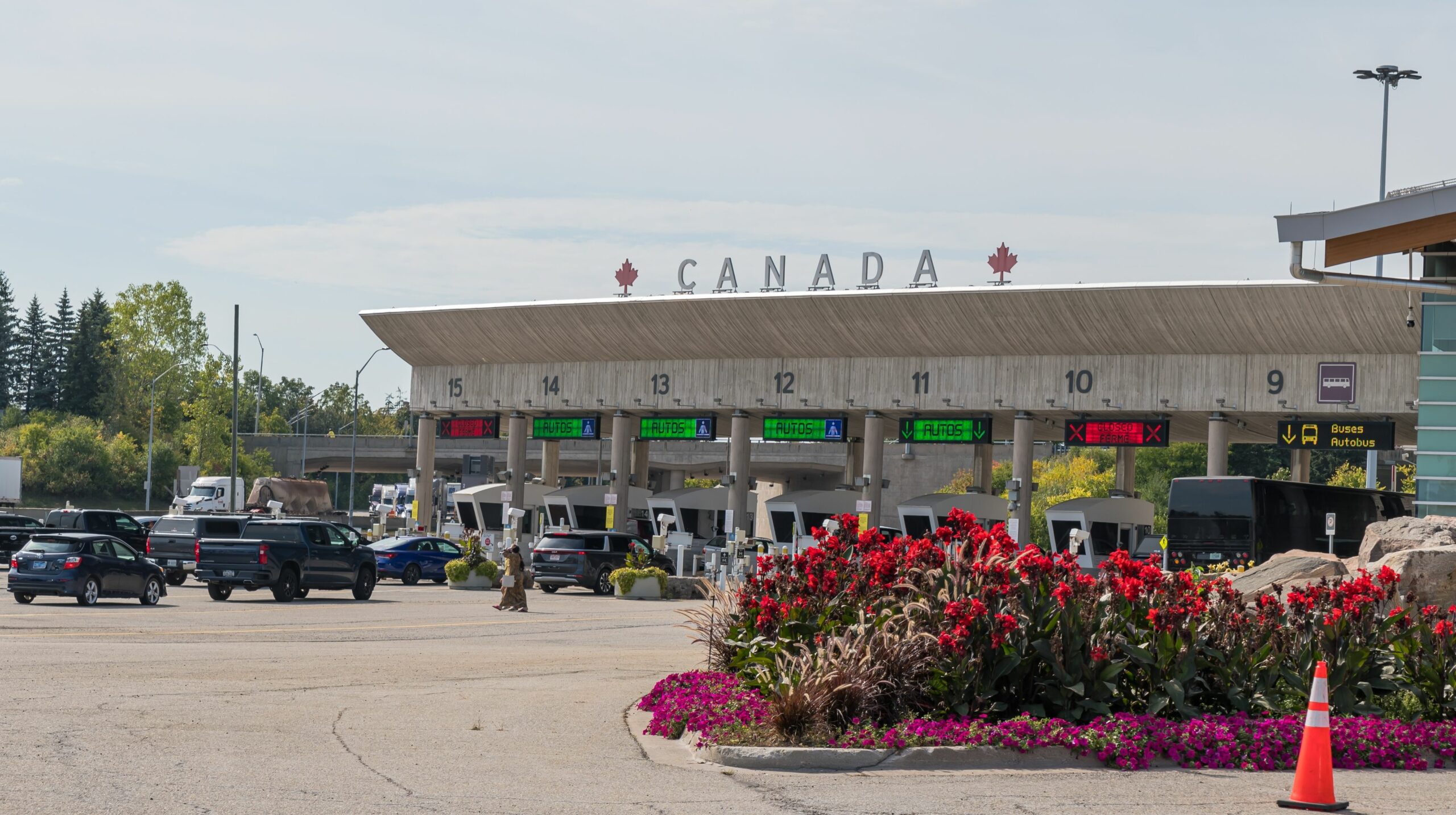
A Canadian Traveler’s Cross-Border Shopping Mishap
A Canadian traveler’s cross-border shopping trip in the United States turned unexpectedly tense after he made one simple and careless mistake at a Canadian port of entry, which triggered a stern response from the Canada Border Services Agency (CBSA) officers. The incident highlights the importance of accurately declaring personal goods when returning to Canada from the U.S.
The Incident at the Border
The Canadian traveler shared his experience on Reddit after he and his wife returned to Canada from a shopping trip in the U.S. He had purchased items from stores such as Trader Joe’s, Target, and Costco. However, he mistakenly declared the value of his purchases as $200, even though the actual total was around $60. This discrepancy led to an intense questioning by a CBSA officer.
According to the traveler, the officer became suspicious and began asking about other items he may have bought in the U.S. The officer then asked him to open the back of his car, which he did politely. The officer continued to question why he would buy groceries in the U.S., to which the traveler responded that certain products, like those from Trader Joe’s, were not available in Canada.
The Officer’s Response
The CBSA officer eventually lectured the traveler to be more accurate in future declarations and allowed them to proceed. However, the traveler expressed anxiety about being flagged for secondary inspection during future crossings. Redditors weighed in, advising that over-declaring the value of shopping items can raise suspicion and lead to increased scrutiny.
Some users noted that it is more common for travelers to under-declare rather than over-declare the value of their goods. They emphasized that declaring $200 when only $60 worth of items were purchased is highly unusual and could trigger further investigation.
Public Reaction and Border Officer’s Perspective
Other travelers who frequently cross the U.S.-Canada border largely supported the CBSA officer’s actions. Many explained that the officer was simply doing his job and that the traveler’s declaration raised red flags. One user pointed out that over-declaration often leads to questions about where the rest of the goods might be.
This incident serves as a reminder of the importance of following customs regulations when crossing the border. It also underscores how even minor paperwork mistakes can lead to significant scrutiny.
Understanding Customs Regulations
When returning to Canada from a shopping trip to the United States, residents must declare all goods. This includes purchases, gifts, prizes, and awards that they are carrying or have shipped to them. Goods purchased at duty-free shops and any vehicle repairs or alterations made while abroad must also be declared.
For those traveling by private vehicle, an oral declaration is typically sufficient. However, the purpose of these declarations is to enforce customs regulations, calculate applicable duties and taxes, and ensure compliance with personal exemption limits.
Personal Exemption Limits
Personal exemptions allow Canadians to bring goods into Canada up to a certain value without paying regular duty and taxes. These limits vary based on the length of the trip:
- 24-hour trips: Up to $200 CAD in personal goods (excluding tobacco and alcohol).
- 48-hour trips: Up to $800 CAD in personal goods (including tobacco and alcohol).
- 7-day trips: Up to $800 CAD in personal goods (including tobacco and alcohol, which must be in possession upon entry).
These exemptions do not apply to same-day shoppers or those who spend less than 24 hours in the U.S. In such cases, duties and taxes may apply if the purchase exceeds the exemption limit.
Taxes and Duties on U.S. Purchases
Canadians must pay a 5% Goods and Services Tax (GST) on goods exceeding personal exemption limits, along with any applicable Provincial Sales Tax (PST/HST), which varies by province. As of March 4, 2025, a 25% retaliatory surtax has been imposed on certain U.S. products due to U.S. tariffs on Canadian-made goods.
It remains unclear whether the traveler in question spent at least 24 hours in the U.S. or if it was a same-day trip. However, the incident serves as a lesson for all Canadians engaging in cross-border shopping: always declare the nearest value of your personal goods to avoid further scrutiny and potential fines.







![[IMAGE: Best Travel Apps for Stress-Free Adventures United States]](https://www.mathhotels.com/wp-content/uploads/2025/09/608_Best_Travel_Apps_Stress_Free_Vacation_Hero.jpg)