
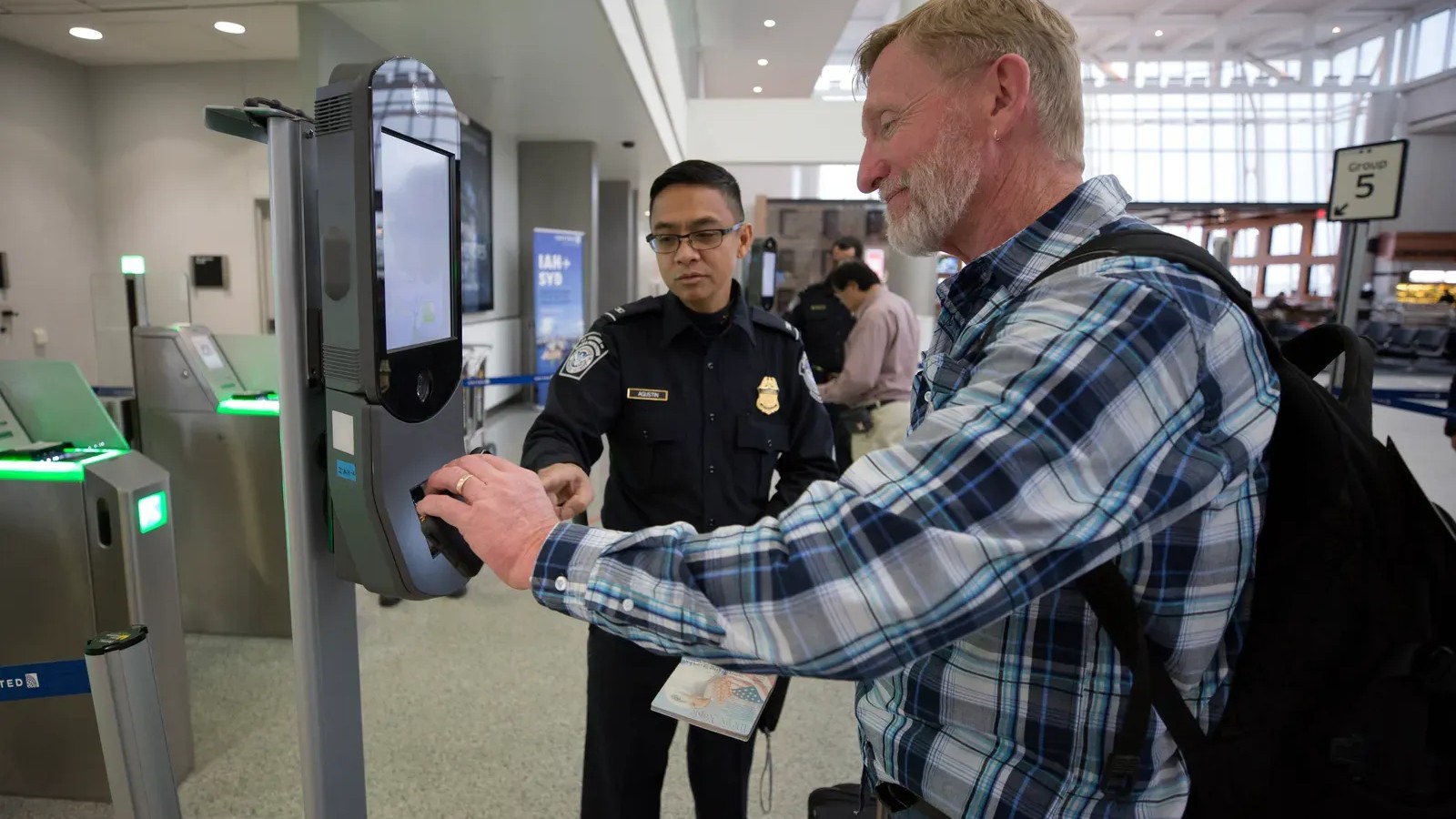
The New Era of Airport Security: What You Need to Know
If you think the biggest hassle at airport security is still digging a tiny bottle of shampoo out of your bag, think again. Something far more consequential has quietly reshaped what happens before you even reach the conveyor belt. American airports have entered a new era of identity verification, and it involves digital checks, biometric data, and, if you show up unprepared, a $45 fee you really did not see coming.
The rules have changed more in the past twelve months than they did in the previous decade. From the long-delayed REAL ID mandate finally going live, to your phone potentially replacing your physical wallet card at the checkpoint, there is a lot to unpack before your next domestic flight.
The REAL ID Deadline That Actually Stuck

For years, the REAL ID enforcement deadline felt more like a recurring joke than a real policy. It got pushed back so many times that many travelers simply stopped paying attention. That era is over.
The federal REAL ID Act was passed by Congress in 2005 following the 9/11 Commission’s recommendation that the federal government set standards for the issuance of sources of identification, such as driver’s licenses. So yes, this law has been sitting on the books for roughly two decades. The REAL ID law was signed more than 20 years ago, but previous presidential administrations failed to properly implement it.
Starting on May 7, only state-issued driver’s licenses and identification cards that meet the security requirements established by the REAL ID Act are allowed for official purposes, including boarding commercial aircraft.
How to Know If Your License Is Compliant
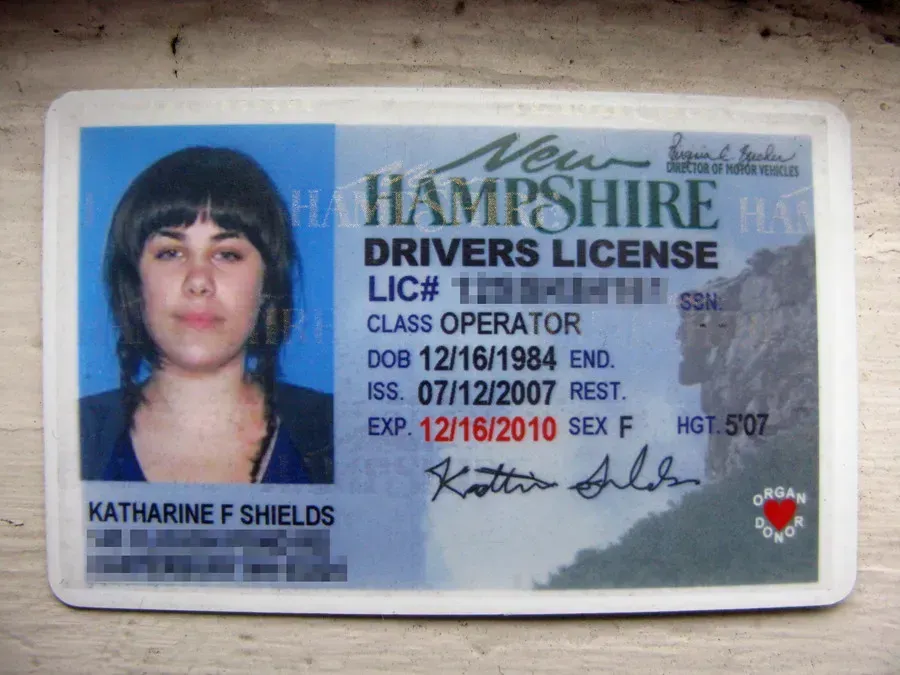
Here is the thing a surprising number of travelers still do not know: checking compliance takes about three seconds. REAL ID compliant cards will have one of the following markings on the upper top portion of the card. If the card does not have one of these markings, it is not REAL ID compliant and will not be accepted as proof of identity in order to board commercial aircraft.
At a minimum, to obtain a REAL ID you must provide documentation showing: full legal name, date of birth, Social Security number, two proofs of address of principal residence, and lawful status. It is more paperwork than a standard license renewal, but it is a one-time trip to the DMV.
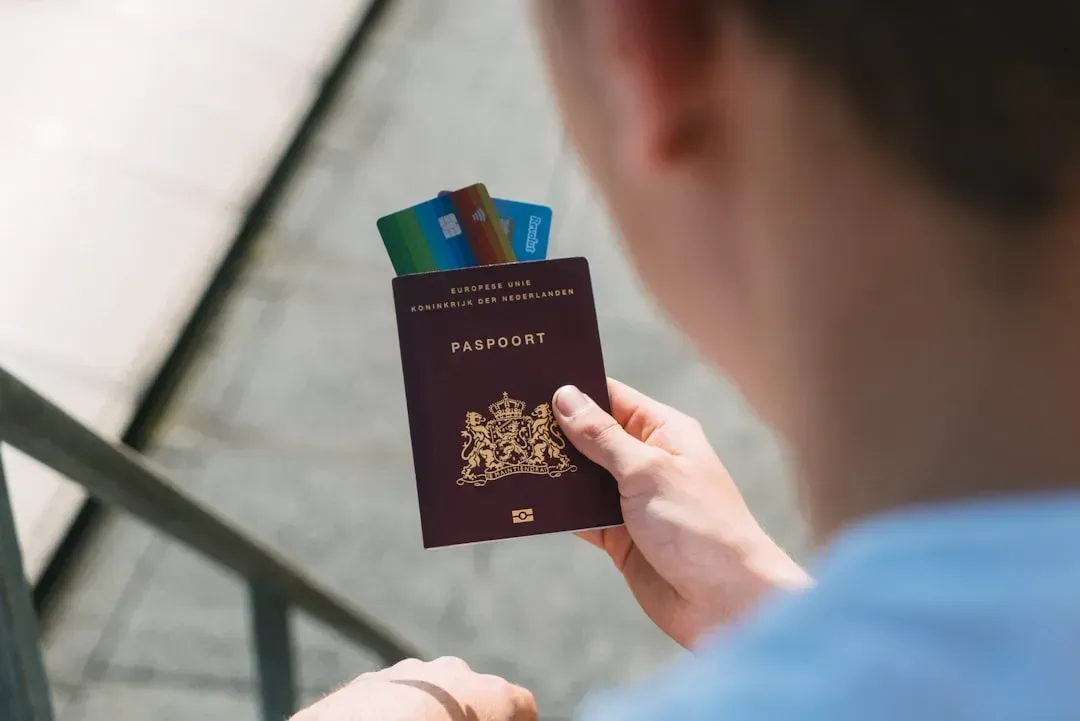
Passengers should either travel with an acceptable alternative form of ID, like a passport, or enroll for a state-issued REAL ID through their state DMV offices.
What Is TSA ConfirmID and Why Does It Cost $45

So what happens when someone shows up at the checkpoint without a compliant ID and without a passport? Before 2026, a free manual verification process existed. That option is gone. Beginning February 1, 2026, the TSA rolled out ConfirmID, a paid identity verification program for travelers who arrive at the airport without acceptable identification.
Previously, passengers who forgot their ID could complete a manual verification process at no charge. TSA ConfirmID is a fee-based service designed to enhance security and streamline identity verification for air travelers who do not have an acceptable form of ID. This fee ensures that non-compliant travelers, not taxpayers, cover the cost of processing travelers without acceptable IDs.
How the ConfirmID Verification Process Actually Works
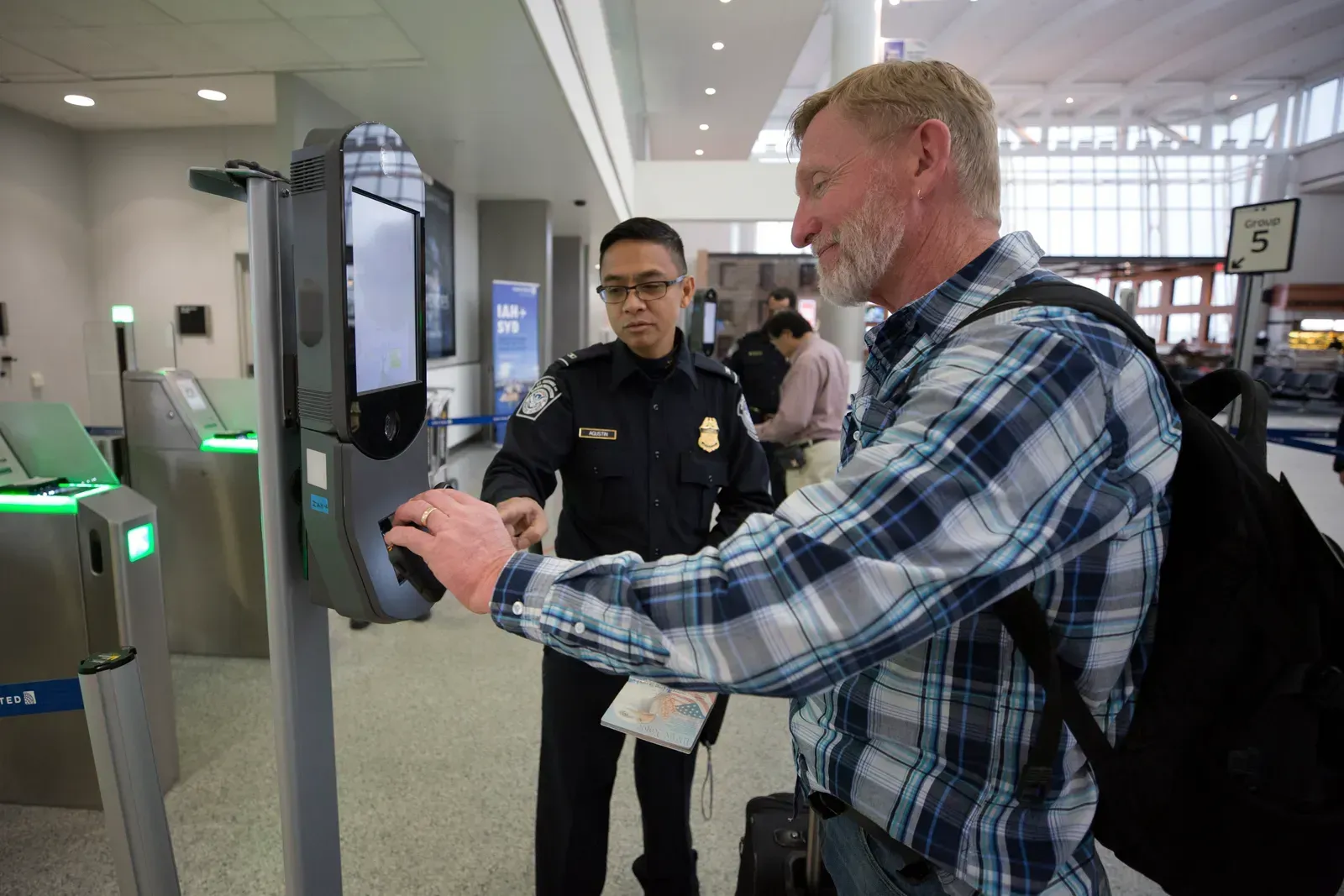
The actual mechanics of ConfirmID are more sophisticated than most travelers expect. This is not a TSA officer making a few phone calls. The process involves referral to a separate verification area, answering identity-verification questions about address history and previous residences, possible biometric collection including fingerprints or facial scans, and database checks against federal systems. That is a considerably more invasive process than just flashing your driver’s license, and it takes time.
TSA has warned that if it cannot verify a traveler’s identity at a security checkpoint for whatever reason, even after the verification process is completed online, there is no guarantee the traveler will be cleared to cross through the security checkpoint. And critically, the $45 fee is non-refundable. Miss your flight and lose your money.
Early Compliance Numbers Are Surprisingly High
Here is a genuinely encouraging data point that was not widely reported. When TSA ConfirmID officially launched, the feared chaos at checkpoints largely did not materialize. The Transportation Security Administration successfully implemented its new modernized alternative identity verification system, TSA ConfirmID, resulting in a promising increase of REAL ID compliance.
That improvement from roughly 94 percent to near-universal compliance is significant. Currently, more than 94 percent of passengers already use their REAL ID or other acceptable forms of identification. The announcement of a financial penalty clearly motivated the remaining holdouts to get compliant faster than years of public awareness campaigns ever did.
Still, TSA expects increased wait times for passengers who do not provide an acceptable ID. Even a small percentage of non-compliant travelers across hundreds of millions of annual passengers adds up to real delays at real checkpoints.
The Rise of the Mobile Driver’s License

Here is where things get genuinely interesting for tech-forward travelers. Your smartphone can now function as your ID at the security checkpoint, and that capability is expanding fast. A mobile driver’s license, or mDL, is a digital representation of a state-issued physical driver’s license that is typically installed through an application on the user’s smartphone and stored in a digital wallet, similar to how many users currently store their physical credit cards on their smartphones.
With a mobile driver’s license or digital ID stored in your phone’s digital wallet or in a third party app, you can breeze through more than 250 TSA checkpoints faster and more securely than ever before. That is not a small pilot program anymore. Currently, 15 states and Puerto Rico support digital IDs in Apple Wallet.
What Alternative IDs Are Still Accepted
Beyond REAL ID and mobile driver’s licenses, travelers have several other solid options. State-issued Enhanced Driver’s Licenses and identification cards are designated as acceptable border-crossing documents by DHS under the Western Hemisphere Travel Initiative and are an acceptable alternative to a REAL ID for boarding a commercial aircraft.
Currently there are only 5 states that issue EDLs or EIDs: Michigan, Minnesota, New York, Vermont, and Washington. One rule worth knowing: TSA currently accepts expired ID up to two years after expiration, for the above listed forms of identification. Also worth noting for parents: because TSA does not require children under 18 to present identification when flying, the REAL ID requirement is not applicable.
The Shoe Rule Change You Probably Missed
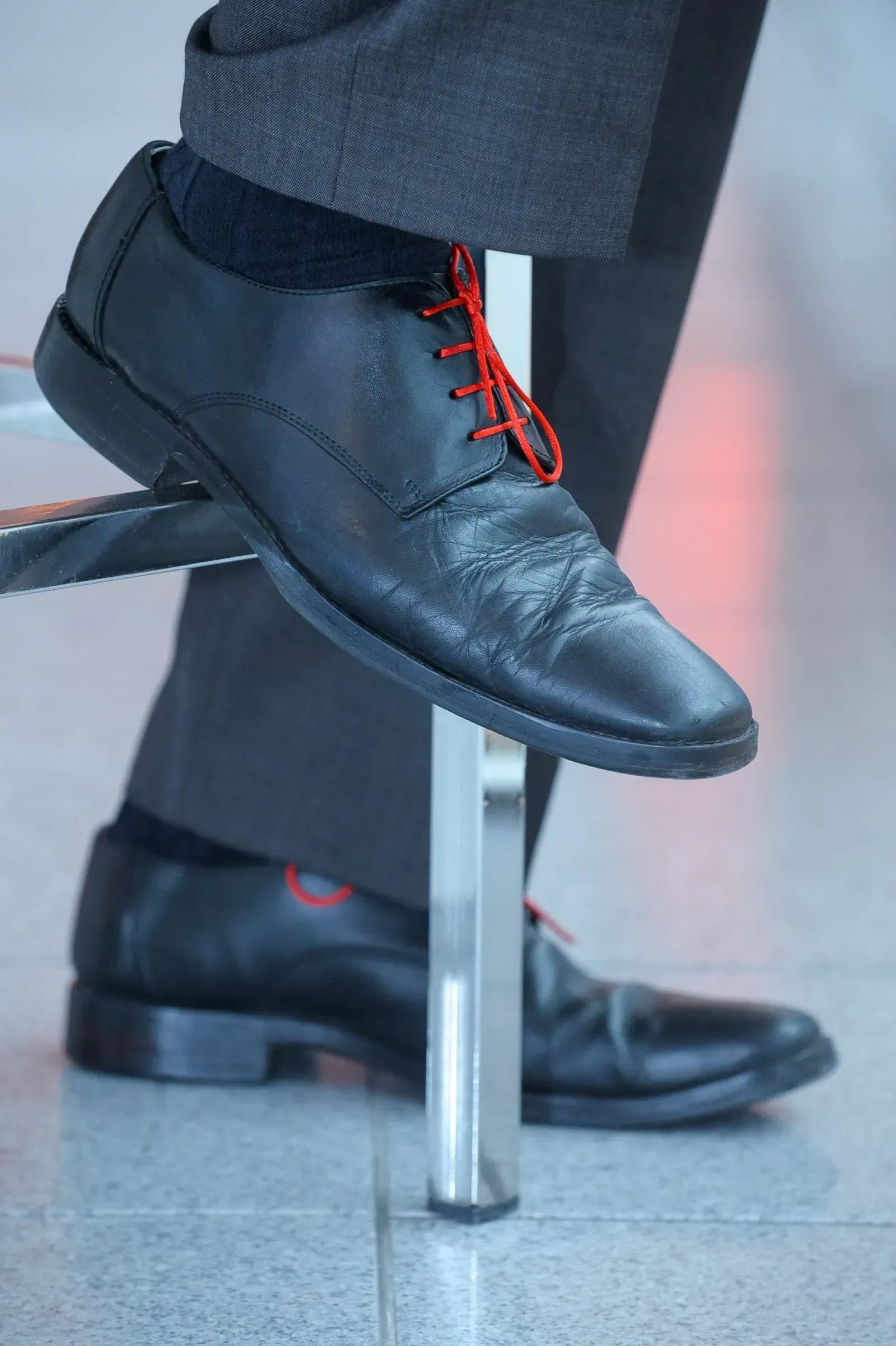
While the REAL ID shift grabbed all the headlines, another meaningful quality-of-life change slipped through almost unnoticed. One of the biggest TSA changes in 2025 was ending the shoe removal rule. In July 2025, TSA announced passengers can now keep their shoes on during screening. However, TSA officers might still ask some travelers to remove shoes if extra screening is needed.
The new TSA regulations give officers flexibility based on security needs. Think of it as a baseline of comfort with a caveat. Most of the time, your shoes stay on. There is also movement on airport guest passes, a surprisingly underreported development. TSA’s limited rollout of airport guest passes allows non-ticketed individuals to accompany travelers through security to the gate. The program is currently being tested at select airports, including San Diego, Seattle, Orlando, Philadelphia, and San Francisco, among others.
What You Should Do Right Now Before Your Next Flight

Practically speaking, the action items here are straightforward. REAL ID compliant driver’s licenses or identification cards feature one of the required markings. If you are not sure if your ID complies with REAL ID, check with your state department of motor vehicles.
All airline travelers who use TSA ConfirmID will be subject to additional ID verification, screening measures and potential delays. Travelers who appear at the TSA checkpoint without a REAL ID or other acceptable form of ID and have not already paid the TSA ConfirmID fee will be subject to additional delays which may result in a missed flight.
If you need to use the ConfirmID system, pre-pay before you arrive. Visit https://www.tsa.gov/ConfirmID to pay the $45 fee before your trip. Bring your payment receipt, printed or as a screenshot, and any government-issued ID to the TSA officer and follow their instructions to complete the process.
The rules at American airports have undergone their most significant overhaul in twenty years, and the window for casual non-compliance has firmly closed. 4 ounce liquid rule might still be the most annoying part of your security routine, but your ID is now the piece that can actually ground you. Does your wallet have what it takes to get you through the checkpoint on your next trip?










![[IMAGE: Best Travel Apps for Stress-Free Adventures United States]](https://www.mathhotels.com/wp-content/uploads/2025/09/608_Best_Travel_Apps_Stress_Free_Vacation_Hero.jpg)