
Snorkeling and diving are two of the most exciting activities you can experience on a tropical vacation. These adventures allow you to swim in warm, crystal-clear waters, interact with fascinating marine life, and explore vibrant coral reefs that have taken thousands of years to form. However, as with any adventure, there are risks involved. From decompression sickness to drowning and watercraft-related accidents, it’s important to be aware of potential dangers. Additionally, while most marine creatures are harmless, some can pose a threat to humans. One such creature is the fire coral, which may look beautiful but is actually quite dangerous.
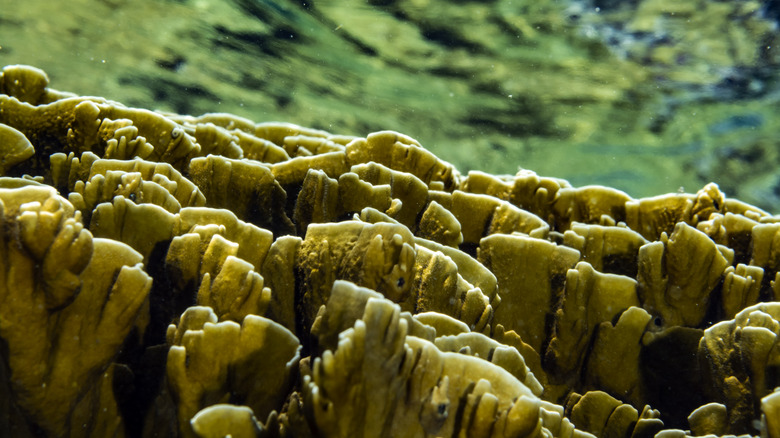
Fire coral (Millepora dichotoma) is found in tropical and subtropical waters around the world, especially in shallow areas with strong currents and lots of sunlight. Despite its name, it’s not a true coral—it’s a hydrozoan, more closely related to anemones and jellyfish. Like corals, it forms colonies that create reef structures, making it hard to distinguish from real coral. It is often mistaken for seaweed due to its colors, which range from green, brown, and yellow. While it may look appealing for photos, it’s one of the 12 dangerous creatures to watch out for when snorkeling in the Caribbean.
If you come into contact with fire coral, you’ll feel a painful burning sensation within 30 minutes. Although it isn’t deadly, the sting can be very uncomfortable. The pain can last for several hours, and it’s often accompanied by a rash that may take days or even weeks to go away. Worse yet, a cut or laceration caused by fire coral can lead to necrosis—cell death in the tissue—which could result in a serious infection.
How to Identify Fire Coral (and How to Avoid Getting Stung)
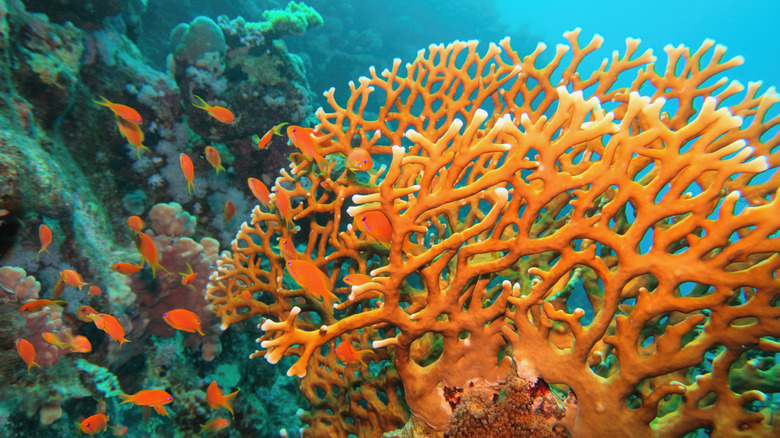
Identifying fire coral can be challenging because it often grows on hard surfaces like rocks or dead coral, taking on the shape of its surroundings. However, there are some key features to look for. Most fire coral has a brownish-green or brownish-orange color with white tips, and it typically grows in branching formations. It also has tiny, visible stingers that resemble protruding hairs, which release a potent toxin when touched.
To avoid getting stung, the best approach is to keep a safe distance from the coral and avoid touching anything. This is also a good practice for protecting the environment during snorkeling or diving. If you’re new to underwater activities, make sure to listen carefully to the briefing before your dive and stay close to your guide throughout the excursion. Pay attention to your buoyancy and be mindful of what’s directly beneath you to prevent accidental contact. Always wear fins to protect your feet and improve your movement in the water.
Try to maintain a horizontal position and avoid standing or kneeling unless instructed by your guide. If possible, wear a full-body wetsuit to keep warm and protect your skin from exposure.
What to Do If You Get Stung
If you do get stung by fire coral, rinse the affected area with seawater and apply isopropyl alcohol or acetic acid (household vinegar works well). Keep the area clean and dry. If you experience symptoms of an allergic reaction, seek medical attention immediately.
Ready to discover more hidden gems and expert travel tips? Subscribe to our free newsletter for access to the world’s best-kept travel secrets.








![[IMAGE: Best Travel Apps for Stress-Free Adventures United States]](https://www.mathhotels.com/wp-content/uploads/2025/09/608_Best_Travel_Apps_Stress_Free_Vacation_Hero.jpg)