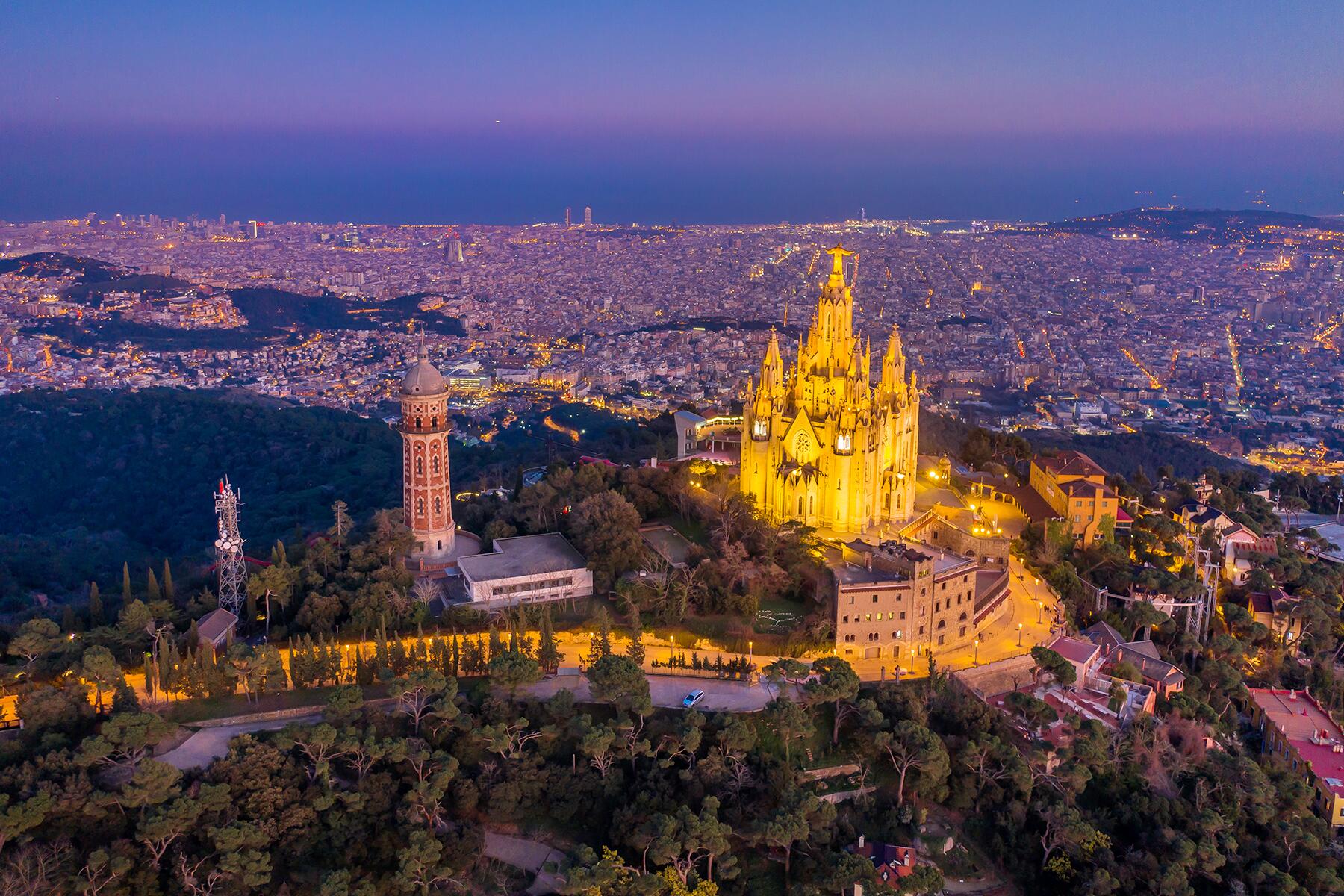
Travelers who are planning to go to Barcelona this summer should be ready to set aside additional funds for their trip. The city hasdoubled its tourist taxon lodging, making it one of the most expensive in Europe.
Barcelona has been struggling with excessive tourism and aims to reduce visitor numbers through this action. A quarter of the tax income will be used for affordable housing.
The Catalan parliament passed a regulation increasing tourist taxes from €6.25 ($7.37) to €12.50 ($14.70) for holiday lettings. Last year, the city also revealed intentions to gradually eliminate short-term rentals by 2028. Furthermore, hotel visitors will be required to pay between €10 ($11.70) and €15 ($17.60) per night per person, beginning in April. The specific fee varies based on the hotel’s classification, with five-star hotels imposing the highest charge. Cruise travelers will not experience any changes and will still be charged €6 ($7).
Hotels are worried about the effects of increased taxes. Manel Casals, Director General of the Barcelona Hotel Guild,told Reutersthat the city dismissed the suggestion to increase taxes incrementally to monitor the outcomes. “One day they will kill the goose that produces the golden eggs,” he remarked.
Tourism accounts for 12% of Spain’s total economic outputand generates over €100 billion ($118 billion) each year. It plays a vital role in the nation’s economy, yet locals are striving for equilibrium. From congested streets to increasing property costs, many cities have suffered from excessive tourism, leading residents to express concerns about their declining living conditions.
Uncontrolled tourism gives rise to various issues, such as noise pollution, trash accumulation, pressure on public facilities, and damage to the environment.In IbizaFor instance, tourists are placing a burden on emergency services following excessive drinking at parties. However, according to residents, the biggest effect is that increasing rent levels are forcing locals to leave their neighborhoods as more properties are turned into Airbnbs.
Every summer, people living in Spain organize demonstrations to oppose the increasing number of tourists. In Barcelona, their parades through areas popular with visitors have gained global recognition because of the use of water guns. This has not stopped tourists: In 2025, Spainwelcomed 96.8 million visitors, a 3.2% rise compared to the prior year.
Related:Vomit and Sex in the Corridors: Madrid Family Sues Over Disturbing Tourist Rentals in Their Building
Spain has consistently appeared as a notable element inFodor’sNo Listdue to excessive tourist visits and a rising cost of living that is causing frustration among residents.
However, Spain is not the only one facing this issue. Overtourism has emerged as a challenge for various European locations, with numerous places implementing tourist taxes to manage the number of visitors.
Amsterdam imposes one of the highest tourist taxes in Europe—visitors are charged 12.5% of the nightly rate (not including VAT). For instance, if your accommodation in Amsterdam is $100 per night, you would owe $50 in taxes for a four-night stay, along with the $400 cost of the hotel. This tax covers hotels, apartments, hostels, and bed-and-breakfasts.
Related:New Taxes Aimed at Tourists Proposed by European Nations
Following the approval of tourist taxes by several U.K. cities in recent years—including Manchester, Glasgow, and Edinburgh—London is now considering the measure as well.
A frequent argument against tourist taxes is that they may contribute to making travel more exclusive, particularly for travelers from non-Western countries.Experts also highlight a deficiency in opennessregarding how the income is allocated: Is the funds being utilized for upkeep of facilities, or is it entering the overall municipal budget, which could also cover initiatives aimed at drawing in more visitors?
Destinations are expected to keep testing new strategies to control the number of visitors, as international tourism keeps increasing. The United Nations stated that 1.5 billion people traveled across borders in 2025, an increase of 60 million compared to 2024. Europe welcomed 793 million of these travelers, with Iceland, Norway, Uzbekistan, and Cyprus experiencing double-digit growth. New locations are appearing on the list, and tourists have plenty of places offering warm welcomes.
Related:Overtourism? Not in This Place! 10 Locations Craving Additional Tourists