
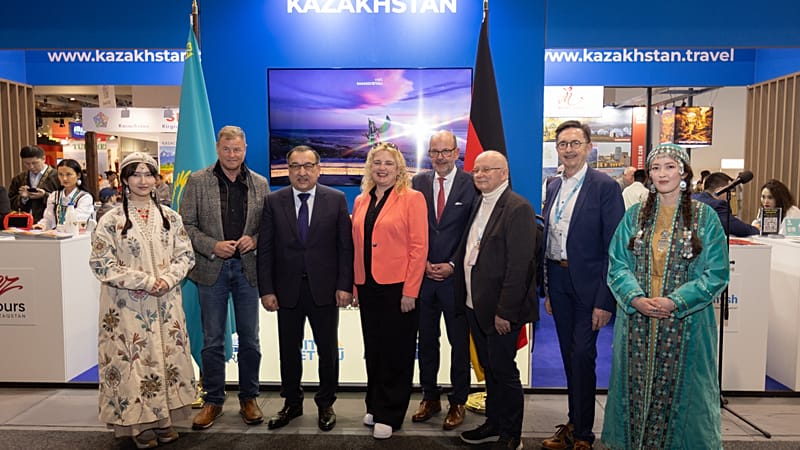
Kazakhstan and Germany Strengthen Tourism Ties
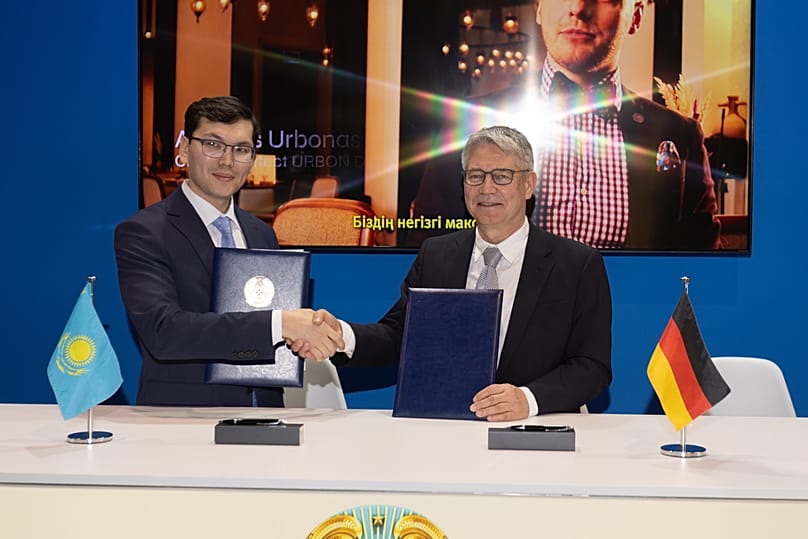
Kazakhstan and Germany’s largest tourism association, Deutscher Reiseverband (DRV), have agreed to hold the DRV Destination Forum in the capital city of Astana in August 2026. This event will bring together national and regional tourism agencies to present their destinations, engage in B2B meetings, and showcase what Kazakhstan has to offer.
The agreement is viewed as a significant step toward enhancing bilateral tourism cooperation. DRV represents over 4,000 companies and accounts for approximately 90% of organized outbound travel by German citizens.
“As a result of the forum, we expect Kazakhstan tours to be included in the catalogues of leading German tour operators and actively promoted in Germany,” said Minister of Tourism and Sports Yerbol Myrzabossynov. “Hosting the DRV Forum sends a strong signal to the entire German tourism community that cooperation between our two countries in tourism is reaching a new level.”
The agreement was finalized during ITB Berlin 2026, one of the world’s largest travel trade fairs. Kazakhstan has been participating annually since 2013. This year, the country presented a national stand featuring 21 inbound tour operators, representatives from the hospitality sector, Kazakh cuisine restaurants, and six regional and city administrations.
On the sidelines of the fair, officials noted that interest among German travelers in Kazakhstan has been steadily increasing. In 2025, more than 95,000 German citizens visited the country, an increase of about 3,000 compared to the previous year, continuing a positive trend in tourist arrivals.
Germany remains the leading European source market for visitors to Kazakhstan, significantly ahead of other countries. According to Kazakhstan’s national statistics, about 20,000 visitors arrived from the United Kingdom in 2024, followed by Italy with more than 13,000 travelers. France ranked third among European markets after Germany, with more than 12,000 visitors. Final figures for 2025 have not yet been released.
Inbound tourism from Europe is supported by Kazakhstan’s visa-free regime for stays of up to 30 days. For longer stays, the country has introduced the Neo Nomad Visa, which allows remote professionals to live in Kazakhstan for up to one year while working remotely and traveling across the country.
Kazakhstan’s Tourism Appeal
At ITB Berlin, Kazakhstan presented itself as a destination combining diverse landscapes with a rich cultural heritage. As the world’s ninth-largest country, it spans four distinct geographical zones, offering travelers a wide variety of scenery—from vast steppes and deserts to alpine mountains and lakes.
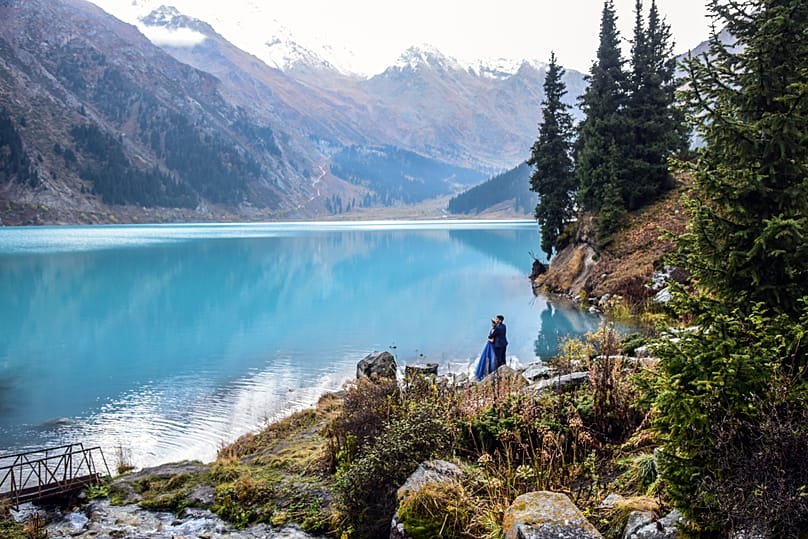
“We have everything that a tourist needs,” said Talgat Gazizov, chairman of the management board of the national tourism company Kazakh Tourism. “Visitors can experience beautiful nature, modern cities such as Astana, and large areas of untouched wilderness—all within one country.”
According to national statistics for 2024, the three most visited destinations in Kazakhstan were Almaty and the Tian Shan mountains, known for hiking and skiing, which attracted more than 2.7 million visitors.
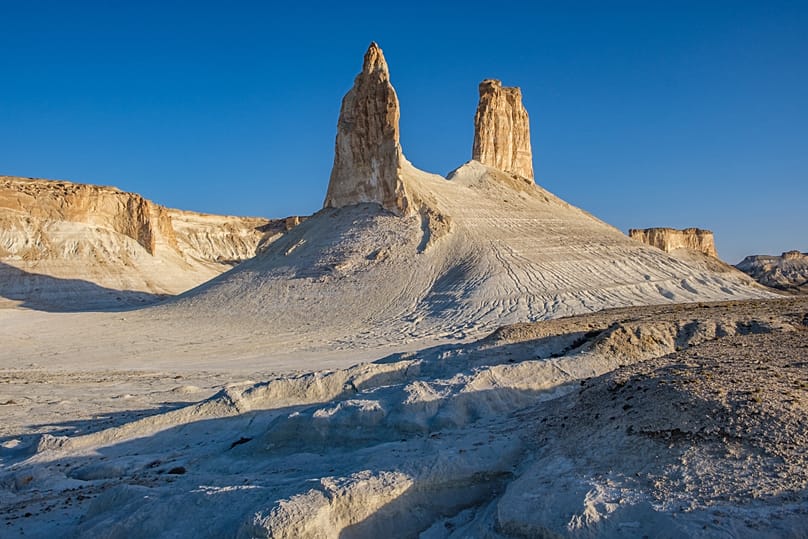
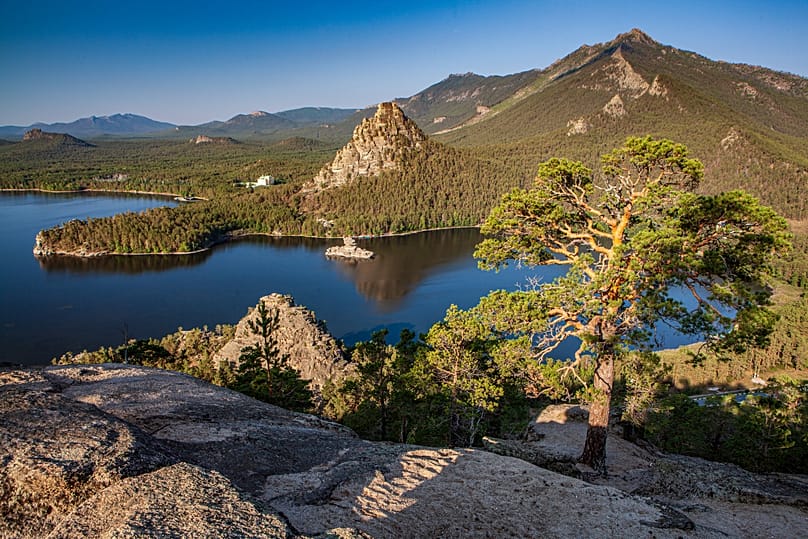
The Mangystau region, offering beach tourism along the Caspian Sea and famous for dramatic desert landscapes such as the Bozzhyra tract, welcomed more than 400,000 visitors. The third most visited destination was the Burabay resort area near the capital Astana, which received nearly 350,000 tourists.
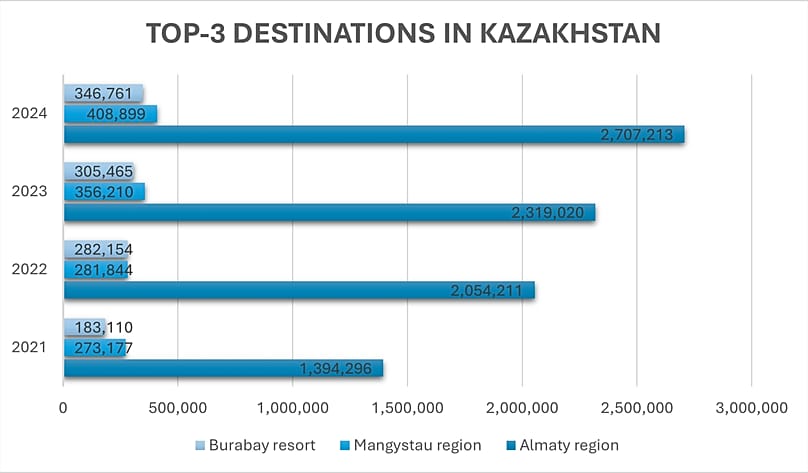
Preliminary data for 2025 suggests that the upward trend in visitor numbers has continued, with these destinations remaining among the most popular in Kazakhstan.
Expanding Tourism Offerings
For the upcoming DRV Destination Forum in Astana, officials plan to showcase a broader range of locations to international tour operators. Alongside the already popular Almaty mountain region and Mangystau’s desert landscapes, the program is expected to highlight East Kazakhstan’s Altai mountains, known for forests and alpine lakes, as well as the historic city of Turkistan, home to the UNESCO-listed Khoja Ahmed Yasawi Mausoleum, one of Central Asia’s most significant cultural landmarks.
Officials hope that these efforts will help position Kazakhstan as a competitive destination for leisure and business travel in Europe and beyond.