
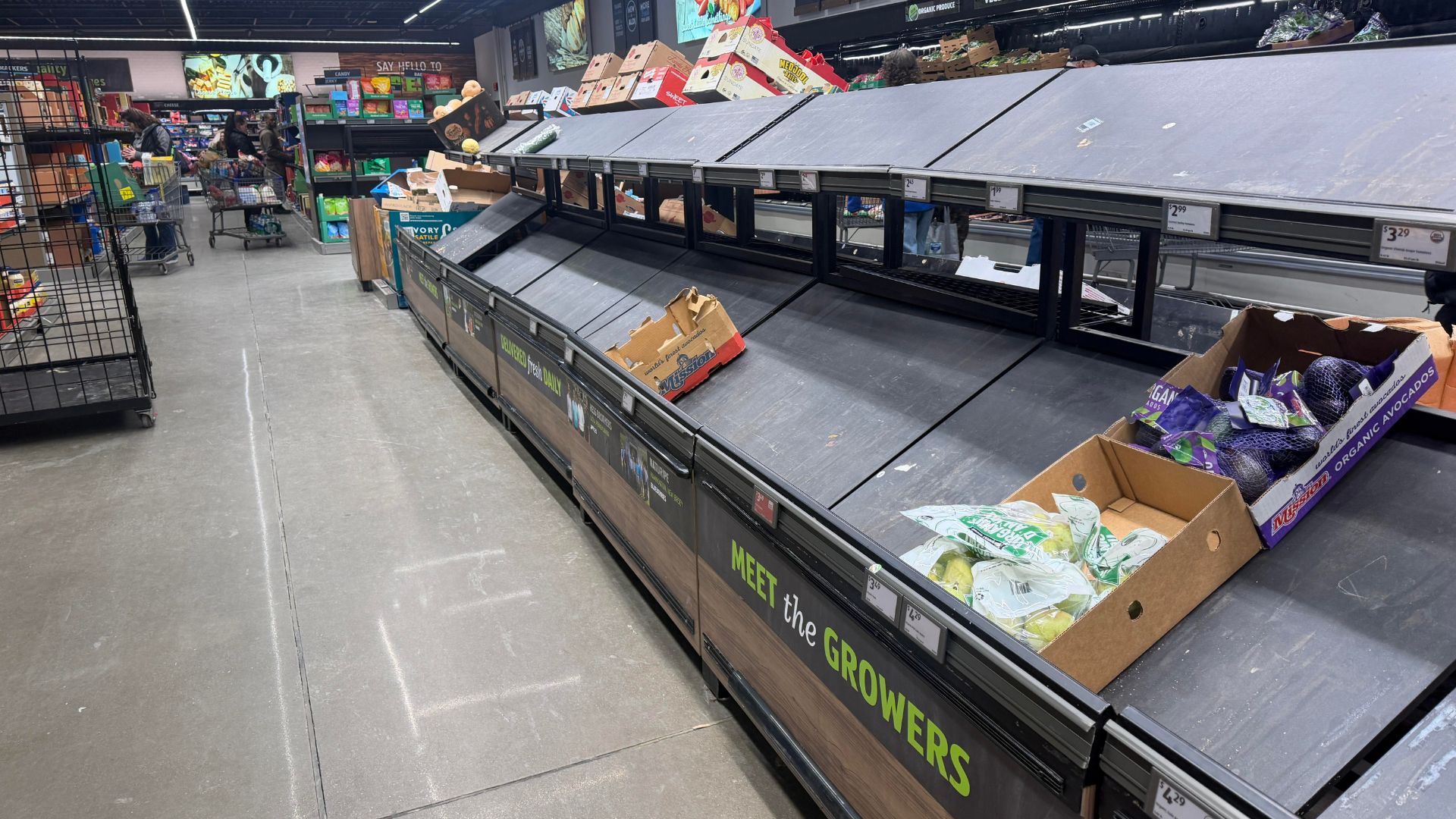
Arkansas has faced issues with food insecurity for many years, and recent data provides a more detailed look at this challenge throughout the state. According to the latest Arkansas Health Survey, 28.8% of adults do not have regular access to healthy, nutritious food necessary for an active lifestyle. This number represents approximately 688,000 individuals, making the state’s situation worse than previous estimates, which had already placed it at the top of national rankings.
These figures are present in both urban and rural areas, with rates increasing further in counties such as Columbia, Crittenden, Lee, Lincoln, Sebastian, and Union. In these regions, adult food insecurity exceeds 32%, indicating disparities across different census tracts. Availability of services and local resources differs from one neighborhood to another, influencing how families face challenges.
Scientists derived their conclusions from almost 10,000 replies and analyzed over 30 health metrics within 823 census tracts. Arkansas has become the second state, following California, to implement this degree of community health monitoring, with officials intending to carry out the survey each year.
Disparities in Food Insecurity Rates at the County Level

Food insecurity in Arkansas is not distributed equally throughout the state, according to the most recent survey, which indicates that some counties have higher rates than others. Columbia, Crittenden, Lee, Lincoln, Sebastian, and Union counties have adult food insecurity rates of 32% or higher, exceeding the state average of 28.8%. This trend highlights how location affects the frequency with which residents face challenges in obtaining reliable access to healthy food.
As researchers examined almost 10,000 responses, they identified these gaps across 823 census tracts, and further investigation showed how challenges concentrate in particular neighborhoods. Availability of grocery stores, transportation, and healthcare services differs by area, and this unequal access influences how families handle limited food supplies. Don Willis from the University of Arkansas noted that when families are concerned about their next meal, the pressure affects other aspects of health and stability.
Due to these regional variations, the survey links county-level food scarcity with wider health challenges observed within communities. Adults experiencing food insecurity mention greater instances of unmet medical needs, and these accounts correspond with trends in long-term health issues and depression identified at the census tract level.
Annual Census Tract Health Monitoring Program

Arkansas has pledged to monitor food insecurity at the census tract level, a choice that puts the state in the company of just two other states performing in-depth community health surveys at this level. The Arkansas Health Survey collects nearly 10,000 responses, allowing researchers to assess over 30 indicators across 823 census tracts.
Using this framework, public health professionals can evaluate local conditions rather than depending on state-wide averages that hide differences. The survey includes a six-item USDA module instead of a single question, and this format records a wider variety of household food access experiences.
Michael Niño, the primary researcher for the survey, mentioned that food insecurity is frequently viewed as a straightforward yes or no matter, but the actual situation is more intricate. Arkansas intends to conduct the survey each year, and this schedule will remain in place even as federal efforts to monitor food security decrease.
Local Responsibility and Strategic Policy Guidance

Arkansas now has a comprehensive dataset that tracks food insecurity throughout the state, and this control influences how agencies design future responses. Annual census tract reports offer lawmakers and nonprofit organizations consistent geographic references, which link funding choices to identifiable neighborhood conditions. As the reporting persists each year, repeated data points enable leaders to track changes within the same communities.
This consistency enhances monitoring since comparing data from year to year can show if specific programs help decrease hardship in particular census tracts. Health departments can examine rates of food insecurity together with medical access metrics, and this combined analysis ensures that outreach activities match identified needs. By using ongoing assessments, policy debates are based on visible trends instead of general assumptions.
At the same time, Arkansas maintains this tracking initiative as federal efforts to monitor food security come to an end, and this ongoing work shifts long-term accountability to the state level. Ongoing annual data collection will extend the historical record across different counties, and this expanding archive can assist in shaping legislative budgeting and nonprofit collaboration in future planning stages.