Understanding the Weight Tradeoff in the Airbus A330neo
In the world of aerospace engineering, weight is typically seen as a challenge. However, in some cases, increased weight can be a strategic advantage. The Airbus A330neo exemplifies this principle, as its redesigned wings introduce additional mass but deliver significant improvements in performance and efficiency.
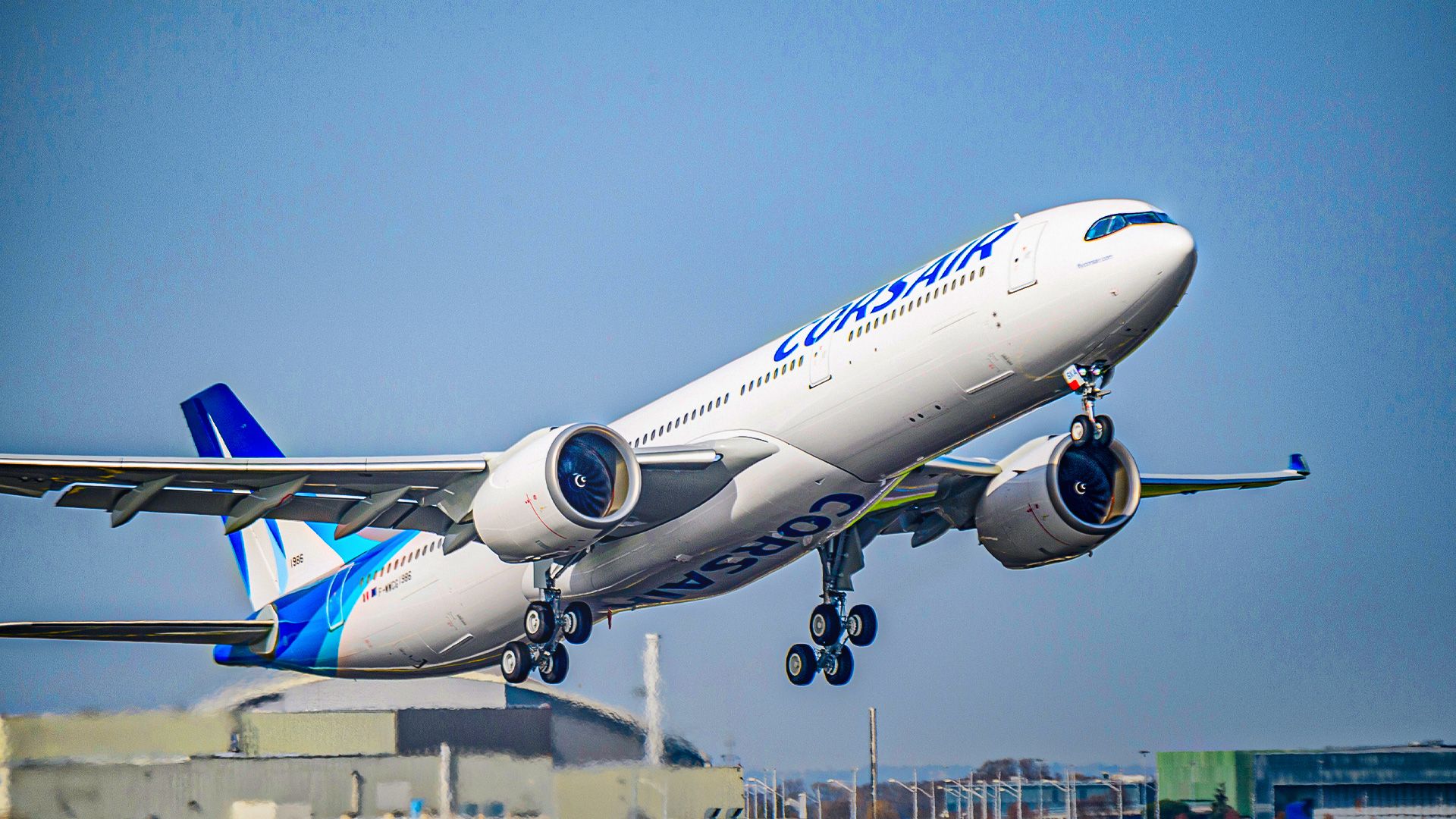
The A330neo is an evolution of the original A330ceo, which was introduced in the 1990s. While the neo is best known for its new Rolls-Royce Trent 7000 engines, the most visually striking change is the extended wingspan. This modification, along with other aerodynamic enhancements, has led to a notable increase in the aircraft’s overall weight. But is this added mass a drawback or a calculated investment?
The Aerodynamic Evolution of the A330neo
The A330neo’s wings are significantly heavier than those of the A330ceo. While exact figures remain proprietary, it is clear that the operating empty weight (OEW) of the A330-900 is approximately 5,000 kg higher than that of the A330-300. This increase is not solely due to the engines, which are about 285 kg heavier than their predecessors. Instead, much of the added weight comes from the structural changes necessary to support the new wing design.
The wingspan was extended from 60.3 meters to 64 meters, incorporating technology inspired by the A350. This extension allows for a more efficient lift-to-drag ratio, which translates into better fuel efficiency. However, the longer wings also create greater bending moments at the wing root, requiring reinforced internal structures such as a thicker wing box and stronger spars. Additionally, the curved sharklets—made from carbon fiber reinforced polymer—add weight but improve aerodynamics.
This shift represents a change in philosophy for the A330 program. The original A330 was designed with a focus on simplicity and minimal weight for mid-range operations. In contrast, the A330neo prioritizes aerodynamic optimization, accepting the weight penalty in exchange for improved long-haul performance. The result is a 14% reduction in fuel burn per seat, making the aircraft more cost-effective over time.
Engineering Challenges and Operational Implications
To achieve these improvements, engineers had to address the increased physical stresses on the airframe. The A330neo’s wings require extensive reinforcement, including stronger pylons to support the heavier engines and localized strengthening of the wing’s leading edge. The composite sharklets, while lightweight for their size, add fixed mass to the wingtips, necessitating robust attachment points.
These modifications allow the A330neo to achieve an aspect ratio of 11, the highest among any commercial twin-jet. This high-efficiency profile improves glide performance during cruise, reducing the workload on the engines and further lowering fuel costs. Pilots have noted that while the aircraft feels heavier during takeoff, it handles more efficiently at high altitudes due to reduced induced drag.
Airbus emphasizes that the A330neo’s wing design is similar to the Boeing 787’s all-composite wing but implemented on a traditional aluminum airframe. This hybrid approach balances aerodynamic gains with lower manufacturing complexity and maintenance costs. For airlines, this makes the A330neo a practical choice, especially for those already operating A330 fleets.
Real-World Performance and Limitations
Despite its advantages, the A330neo is not without its challenges. On short-haul routes, the increased weight and larger engines can lead to higher fuel consumption before the aerodynamic benefits fully materialize. This makes the older A330-300ceo more cost-effective for certain operations.
Additionally, the 64-meter wingspan introduces logistical constraints. The aircraft operates at the limit of ICAO Annex 14 Code E, which may require adjustments at airports with older terminal gates. Ground controllers must be more precise with taxiway clearances, and some regional airports may need specialized gate-blocking procedures.
The reinforced aluminum spar used in the A330neo also means that the wing root experiences more cyclic stress over time. While Airbus has addressed this with weight-neutral reinforcements, operators must maintain rigorous inspection schedules to ensure continued safety and performance.
A Pragmatic Choice for Airlines
Ultimately, the A330neo represents a middle ground between legacy metallic designs and the next generation of composite wings. By reinforcing an existing airframe rather than starting from scratch, Airbus created a platform that offers competitive efficiency without the high capital costs of a brand-new design. This makes the A330neo a pragmatic choice for airlines seeking to modernize their fleets while maintaining operational continuity.
As fuel prices and carbon taxes continue to rise, the A330neo’s design demonstrates that a bit of extra weight can be the most efficient choice an engineer can make. It proves that through strategic engineering, even a 30-year-old airframe can be transformed into a powerful competitor in the 21st century.