
Discovery and Location
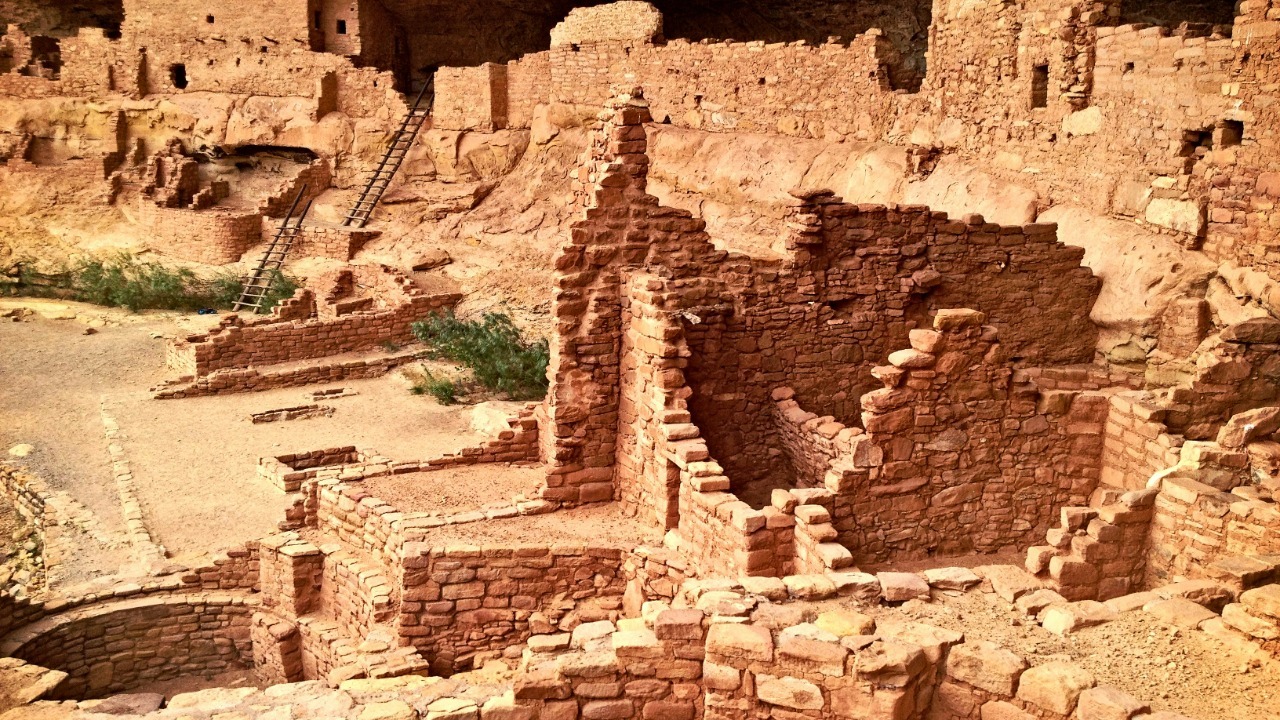
Archaeologists in Egypt have uncovered a remarkable ancient temple hidden within a cliff face. This groundbreaking find, dating back 2,100 years, offers new insights into ancient Egyptian civilization. The discovery reveals previously unknown aspects of the era’s religious and cultural practices, providing a fresh perspective on Egypt’s historical timeline.
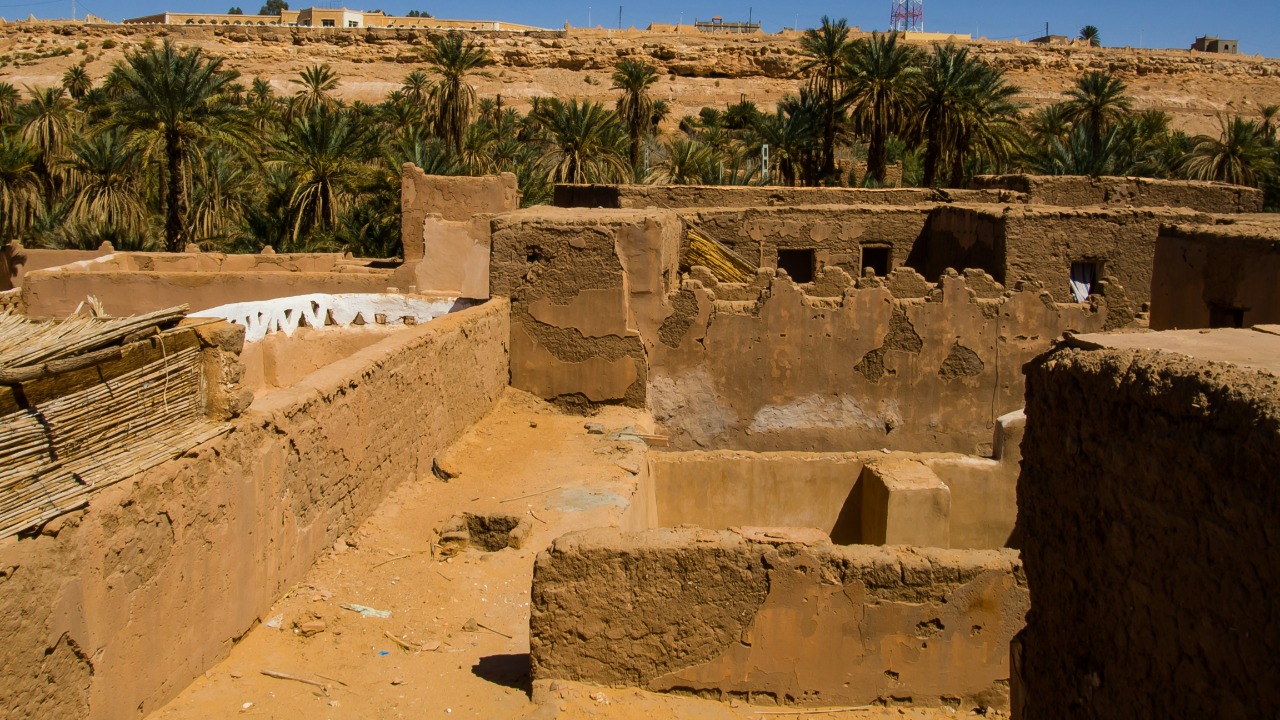
The temple was found nestled within a cliff face in Egypt, its entrance cleverly concealed from view. This hidden location underscores the temple’s significance and the lengths to which ancient Egyptians went to protect it. The entrance, described as mysterious, was discovered by archaeologists using advanced techniques to navigate the challenging terrain. The team employed cutting-edge technology to locate and access the site, highlighting the ingenuity required to uncover such a well-hidden structure.
The use of modern archaeological methods was crucial in this discovery. The team faced significant challenges due to the temple’s location within a cliff. These techniques not only facilitated the discovery but also ensured the preservation of the site for further study. The temple’s concealment suggests it held considerable importance, possibly serving as a sanctuary or a site of significant religious activity.
The implications of this discovery are profound. The hidden nature of the temple raises questions about its purpose and the historical context in which it was built. This find challenges previous understandings of ancient Egyptian architecture and religious practices, offering a new lens through which to view this ancient civilization.
Further analysis of the temple’s location reveals that its placement within the cliff may have been strategically chosen for both spiritual and practical reasons. The cliff face not only provided a natural barrier against potential invaders but also symbolized a connection to the divine, as cliffs were often associated with the gods in ancient Egyptian culture. This dual purpose of protection and spiritual significance underscores the temple’s importance in the religious landscape of the time.
Moreover, the discovery process itself was a testament to the advancements in archaeological technology. The team utilized ground-penetrating radar and 3D mapping techniques to visualize the temple’s structure before excavation. These tools allowed archaeologists to plan their approach meticulously, minimizing the risk of damaging the site. This careful planning was crucial given the temple’s delicate state and the potential for uncovering invaluable artifacts that could further illuminate the practices of ancient Egyptian society.
Historical Context
The temple’s age, estimated at 2,100 years, places it within a fascinating period of ancient Egyptian history. This era, marked by significant cultural and political changes, is crucial for understanding the evolution of Egyptian society. The temple’s architecture and design reflect the religious and cultural practices of the time, providing valuable insights into the period’s societal norms.
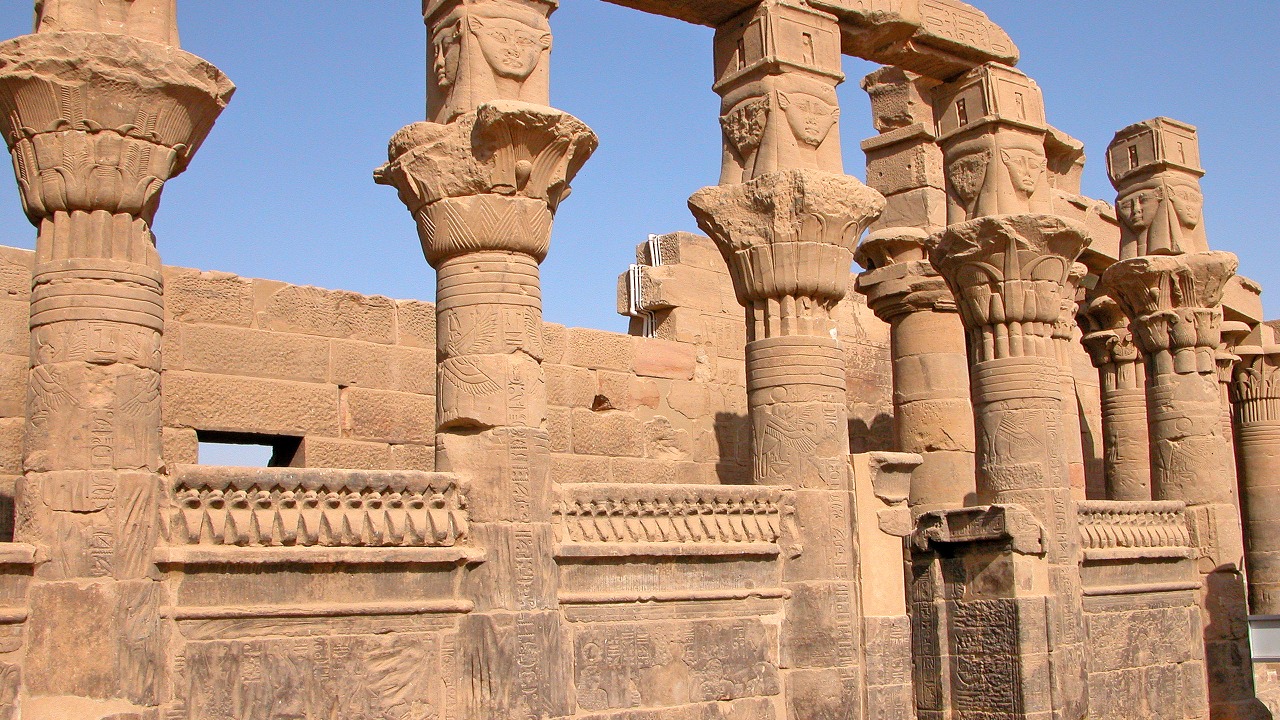
The temple’s architectural features are particularly noteworthy. The design elements reveal a blend of traditional Egyptian styles with influences from other cultures, indicative of the era’s dynamic cultural exchanges. This architectural synthesis offers a glimpse into the complex interactions between different civilizations during this period.
When compared to other ancient Egyptian sites, such as the pyramids, this temple provides a unique perspective on the diversity of religious and architectural practices. It stands as a testament to the lesser-known aspects of Egyptian history, complementing the grandeur of more famous sites and enriching our understanding of this ancient civilization.
The period during which the temple was constructed was marked by the Ptolemaic dynasty’s rule over Egypt, a time characterized by a fusion of Greek and Egyptian cultures. This era saw the introduction of new artistic styles and religious practices, which are reflected in the temple’s design. The Ptolemaic influence is evident in the architectural elements that blend traditional Egyptian motifs with Hellenistic features, indicating a period of cultural syncretism that enriched Egyptian society.
Additionally, the temple’s construction during this era of transition highlights the adaptability of Egyptian religious practices. The Ptolemaic rulers often adopted and adapted local customs to legitimize their rule, which may explain the temple’s unique architectural style. This adaptability ensured the continuity of Egyptian religious traditions even as the political landscape evolved, providing a fascinating glimpse into the resilience and dynamism of ancient Egyptian culture.
Significance of the Discovery
The discovery of this temple holds significant potential for advancing our understanding of ancient Egyptian religion and society. The temple could provide new insights into the religious practices and societal structures of the time. The artifacts and inscriptions found within the temple are expected to reveal historical narratives and rituals that have remained hidden for centuries.
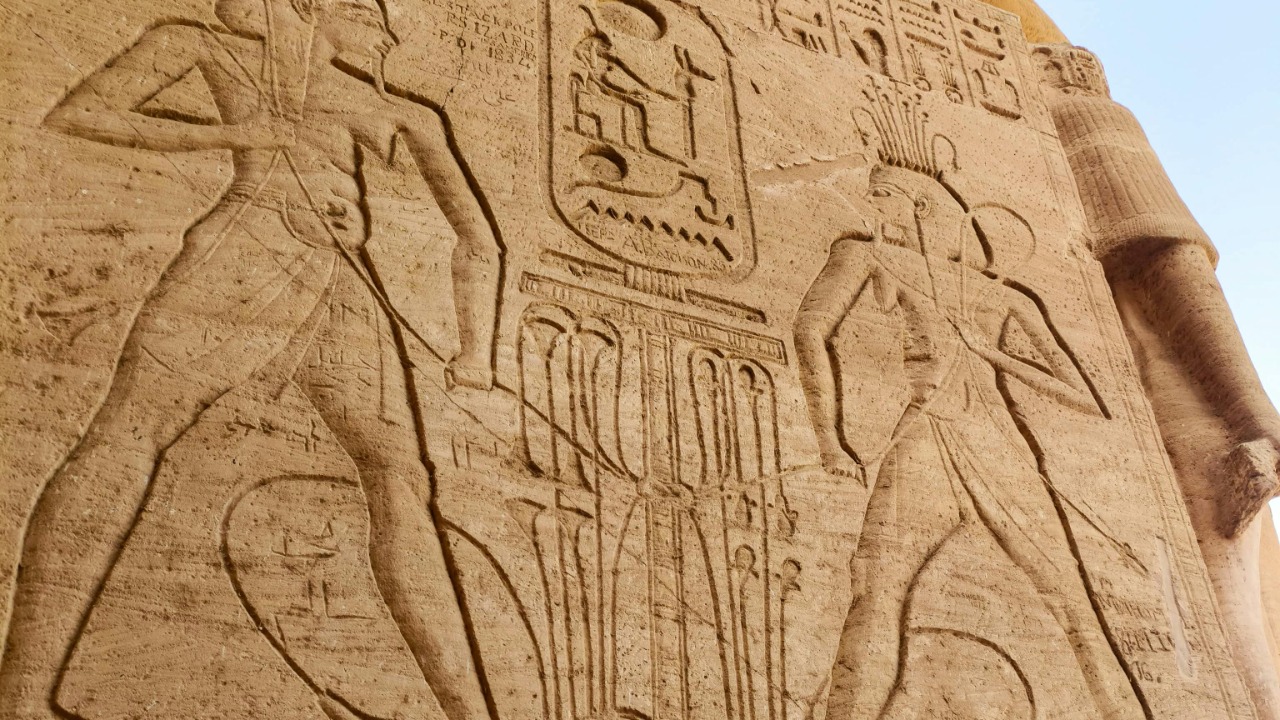
These artifacts include a range of items that offer clues about the temple’s function and significance. The inscriptions, in particular, are anticipated to shed light on the religious beliefs and practices of the era, providing a deeper understanding of the cultural and spiritual life of ancient Egyptians.
This discovery also plays a crucial role in enhancing modern archaeology’s understanding of ancient civilizations. The temple’s uncovering demonstrates the potential of contemporary archaeological techniques to reveal hidden aspects of history. This find not only enriches our knowledge of ancient Egypt but also underscores the importance of continued exploration and study in the field of archaeology.
The temple’s discovery has sparked renewed interest in the study of ancient Egyptian religion, particularly in understanding the role of lesser-known deities and rituals. The artifacts found within the temple, including statues and ceremonial objects, suggest that it may have been dedicated to a specific god or goddess, possibly one that played a significant role in local religious practices. This focus on regional deities offers a more nuanced view of the religious diversity that existed alongside the more widely recognized pantheon of Egyptian gods.
Furthermore, the inscriptions found within the temple are expected to provide critical insights into the language and script used during this period. As scholars begin to decipher these texts, they anticipate uncovering new information about the socio-political context of the time, including details about the temple’s patrons and the community it served. This information could significantly enhance our understanding of the social hierarchies and governance structures that influenced religious life in ancient Egypt.