You can see Air Force One’s new colors from a mile away: red, white, dark blue, and gold have taken the place of the light blue that has been used on presidential aircraft since the Kennedy era. This update replaces the famous Kennedy-era color scheme with a more prominent, Trump-endorsed design across the entire presidential and executive airlift fleet, including thenext-generation VC-25B and other VIP transports.
They will outline which aircraft will be repainted, the reasons behind the change, and the individuals and companies involved in making the decision and implementing it. Prepare for information on the schedule for introducing the new design and the involvement of the Air Force and business partners in altering the fleet’s appearance.
The New Livery for Air Force One and the Executive Fleet
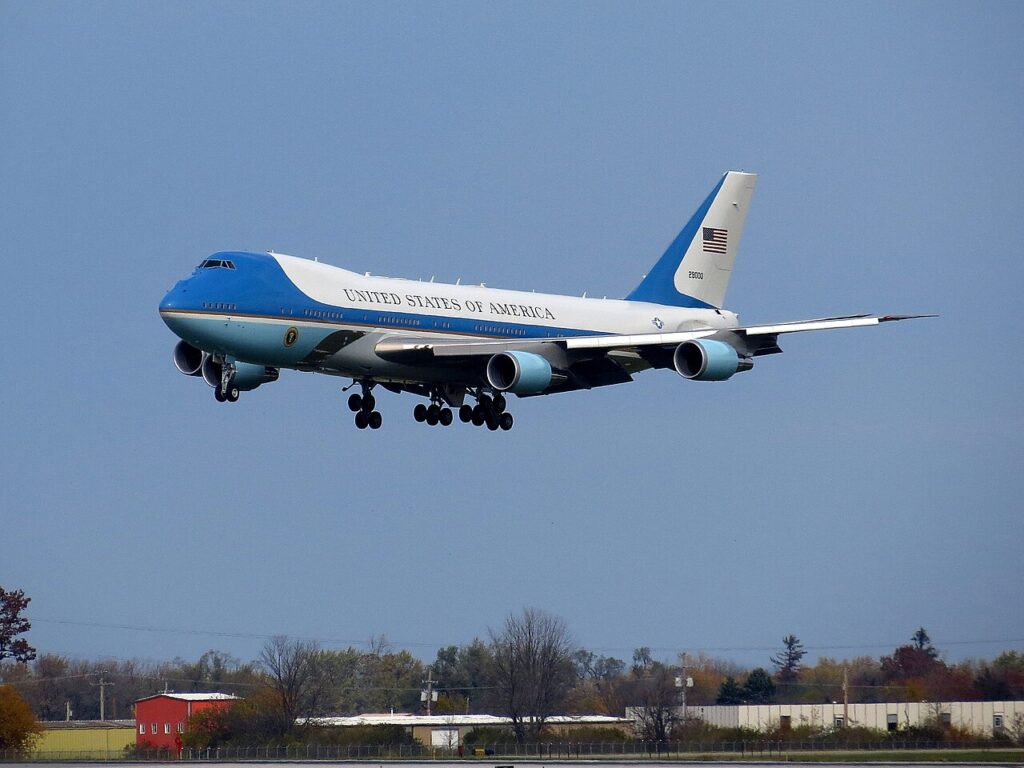
The Air Force updated the traditional robin’s-egg blue and white exterior with a more vibrant color scheme featuring gold, red, white, and deep blue. This change applies to the new generation of presidential jets as well as various VIP aircraft utilized by high-ranking officials.
How the New Colors Differ from the Kennedy Era’s Design
The look from the Kennedy period included a light blue streak resembling a robin’s egg along the body of the aircraft and a predominantly white upper section. This design originated in the early 1960s and evolved into a recognizable symbol for the presidential plane and its call sign, Air Force One.
The new design replaces the light blue trim with a darker, two-toned scheme and incorporates bold red highlights. It moves away from soft pastels toward more vibrant primary colors, altering the overall appearance.presidential aircraftappears in photographs and at airports.
Modifications also include the trim and lettering. The presidential emblem, tail designs, and “United States of America” text have undergone color and contrast changes to align with the darker blues and new gold accents. These elements enhance visibility and maintain brand uniformity across the Air Force One fleet.
The Impact of Trump on Presidential Aircraft Design
Donald Trump openly supported a red, white, and blue color scheme and advocated for this style during his time in office. Some aspects of this preference influenced the current color selection, although engineers had previously dismissed a completely dark design due to thermal and technical issues.
The Air Force incorporated elements from Trump’s proposed color scheme—particularly red highlights and more intense blue—while introducing gold to ease the contrast and denote executive rank. Officials characterize the outcome as a balance between presidential choice and practical limitations.
This release also reignites the discussion on beauty versus technical design. The Air Force previously recognized thermal problems when darker colors led to higher heat exposure; the new approach is said to take those lessons into account while aligning with past presidential choices.
Gold, Red, White, and Blue: Information on the New Uniform Design
The new paint scheme features four main colors: a dark navy for the lower part of the plane, a bright white for the upper section, a bold red for decorative stripes, and a metallic gold for certain symbols. The designers applied gold to the presidential emblem and specific trim elements to create a more noticeable, formal appearance.
Red is featured as a stripe on the front fuselage and on tail details to reflect the flag theme. The dark blue provides visual balance along the bottom and tail, enhancing visibility from the ground. White continues to be the main color on the upper parts, helping to reduce solar heating in comparison to a fully dark wrap.
Aircraft markings—“United States of America” along with identification information—use high-contrast designs to ensure visibility from different perspectives. These decisions take into account photographic needs, recognition, and operational demands for the presidential aircraft and other VIP transport vehicles.
Implementation of the New Look Throughout the Executive Fleet
The Air Force is implementing the program across the VC-25B presidential aircraft, temporary 747s for short-term use, and various VIP transports, including modified 757-200s utilized for vice-presidential and Cabinet travel. Painting operations coincide with planned maintenance periods to prevent additional delays.
One 757 has already been updated with the new paint scheme and has resumed operations. The initiative applies to both Air Force One (while the president is on board) as well as other designations like Air Force Two and VIP fleet aircraft, maintaining a uniform appearance for executive air transport.
Logistics teams manage the painting process to ensure avionics access panels and thermal coatings remain intact. They also verify that new pigments and metal finishes comply with weight and corrosion requirements before the final application.
Aircraft and Leadership in the Process of Change
The repaint impacts both the long-standing VIP fleet and the new generation of presidential vehicles, with high-ranking officials overseeing the implementation and messaging related to the update.
Boeing 747, VC-25B, and 747-8i: Aircraft at the Heart of the Overhaul
The Air Force is implementing a new red, white, dark blue, and gold paint scheme on its executive airlift fleet, including the VC-25B model, which identifies the modified Boeing 747-8i aircraft designed to function as the future Air Force One. The VC-25B program involves converting two747‑8i airframeswith cutting-edge communication technology, protective systems, and custom-designed interiors to fulfill presidential needs.
These changes replace the outdated Boeing 747-200s that have been in service since 1990. The 747-8i aircraft were acquired and modified to offer greater range and modernized systems, although the project has faced delays and budget overruns. The new paint job comes after engineering and thermal issues were initially highlighted when a prior Trump administration paint idea was put on hold due to possible overheating problems.
VIP Fleet Upgrade: Renovating the Qatari 747-8i
As a temporary solution to aid in training and ensure smooth operations, the Air Force acquired a second-hand Boeing 747-8i aircraft from Qatar and assigned contractors to restore it for high-level transportation. This renovation includes updating the avionics systems, adding defensive features, and modifying the interior to comply with presidential and VIP travel requirements.
The updated 747-8i is part of a larger group of aircraft that are receiving the new paint scheme, including smaller C-32 models used for vice presidential and cabinet travel. Painting and improvements are planned during regular maintenance periods to minimize service interruptions. A 757/C-32 has already been seen publicly, suggesting a gradual implementation across the entire fleet.
Official Positions: Air Force Secretary Troy Meink and Defense Secretary Pete Hegseth
Air Force Secretary Troy Meink officially announced the new paint design and described it as a decision made at the service level, affecting all executive airlift aircraft. He has been responsible for communication regarding which specific airframes—VC-25B 747-8is and certain C-32/757 models—will be updated and the timeline for repainting during maintenance periods.
The responsibilities of Defense Secretary Pete Hegseth involve comprehensive management and approval processes related to expenses, timelines, and operational preparedness within the Pentagon. Hegseth collaborates with Meink on project schedules, temporary measures like the 747-8i conversion provided by Qatar, and resolving technical issues such as thermal effects that influenced previous color options. These leadership roles were covered by prominent media sources like CBS News during the time of the announcement.
More from Steel Horse Rides:
- 13 Greatest Muscle Cars in History
- 13 Lesser-Known JDM Vehicles That Deserve Greater Appreciation
- 15 Japanese Domestic Market Vehicles That Were Prohibited in the United States
- 13 Sport Utility Vehicles from the 90s That Still Have Style Nowadays