
A Hidden Gem in Venezuela’s Caribbean Waters
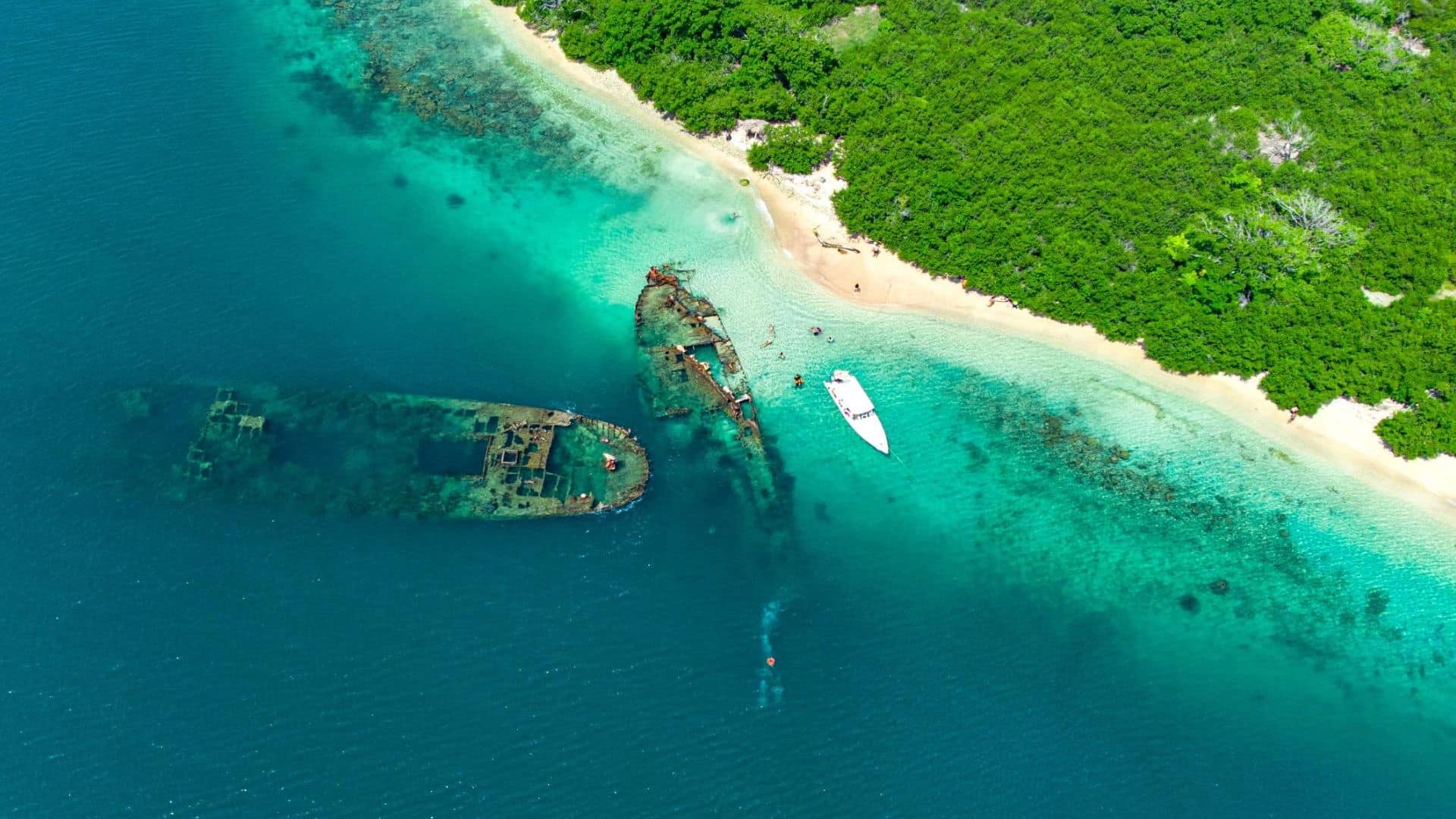
Just off the coast of Venezuela, Isla Larga offers a stunning view of postcard-perfect waters, soft white sand, and a serene atmosphere that invites visitors to relax and enjoy the day. Beneath its tranquil surface lies a history that is anything but peaceful. This narrow strip of land near Puerto Cabello in Carabobo state is part of the San Esteban National Park and has long been a place where the past meets the present. While many come for the sun and a refreshing piña colada after a morning of snorkeling, they are also drawn to the remnants of two rusted ships resting just below the water’s surface—symbols of war, mystery, and transformation.
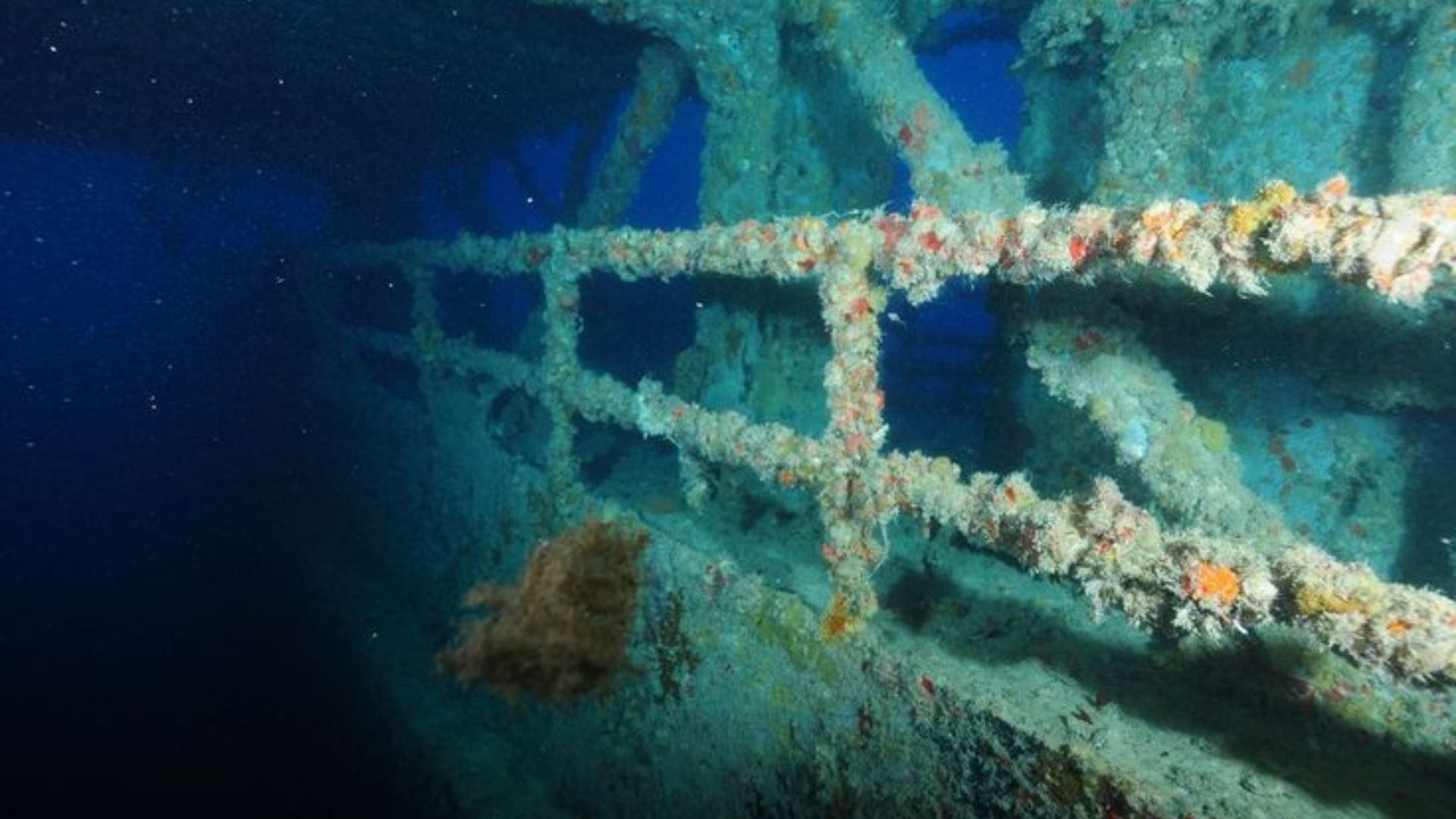
These two vessels, the German freighterSesostrisand an Italian-linked cargo ship nearby, are not just old wrecks. They are relics of a significant moment in World War II, now serving as the centerpiece of one of Venezuela’s most intriguing snorkeling spots. Over time, coral has grown along their structures, and schools of fish weave through their twisted decks, turning what were once instruments of commerce and conflict into thriving underwater ecosystems. Locals consider theSesostrismore than just an old wreck; it is a symbol of the island’s identity and a reminder that history often lingers beneath the surface.
The Wartime Origins of the Wrecks
TheSesostrisand other Axis-flagged merchant ships did not end up in these waters by chance. As global conflict spread across the Caribbean in the late 1930s and early 1940s, several Axis-affiliated vessels sought refuge in the deep bay of Puerto Cabello when neutral Venezuela offered safe harbor. For a while, the crews lived onshore and blended into port life, with the ships resting peacefully in the calm waters as the war raged elsewhere. However, everything changed in 1941 when orders from Axis naval command arrived with strict instructions: no ship should fall into enemy hands.
Faced with the fear that Allied forces might seize their vessels, the captains and crews of these merchant ships took drastic action. On a night in late March, several crews set fire to their own ships right in Puerto Cabello’s harbor rather than risk capture. Most of the burnt Italian ships were later refloated, repaired, and sold abroad, but theSesostriswas too badly damaged to be saved.
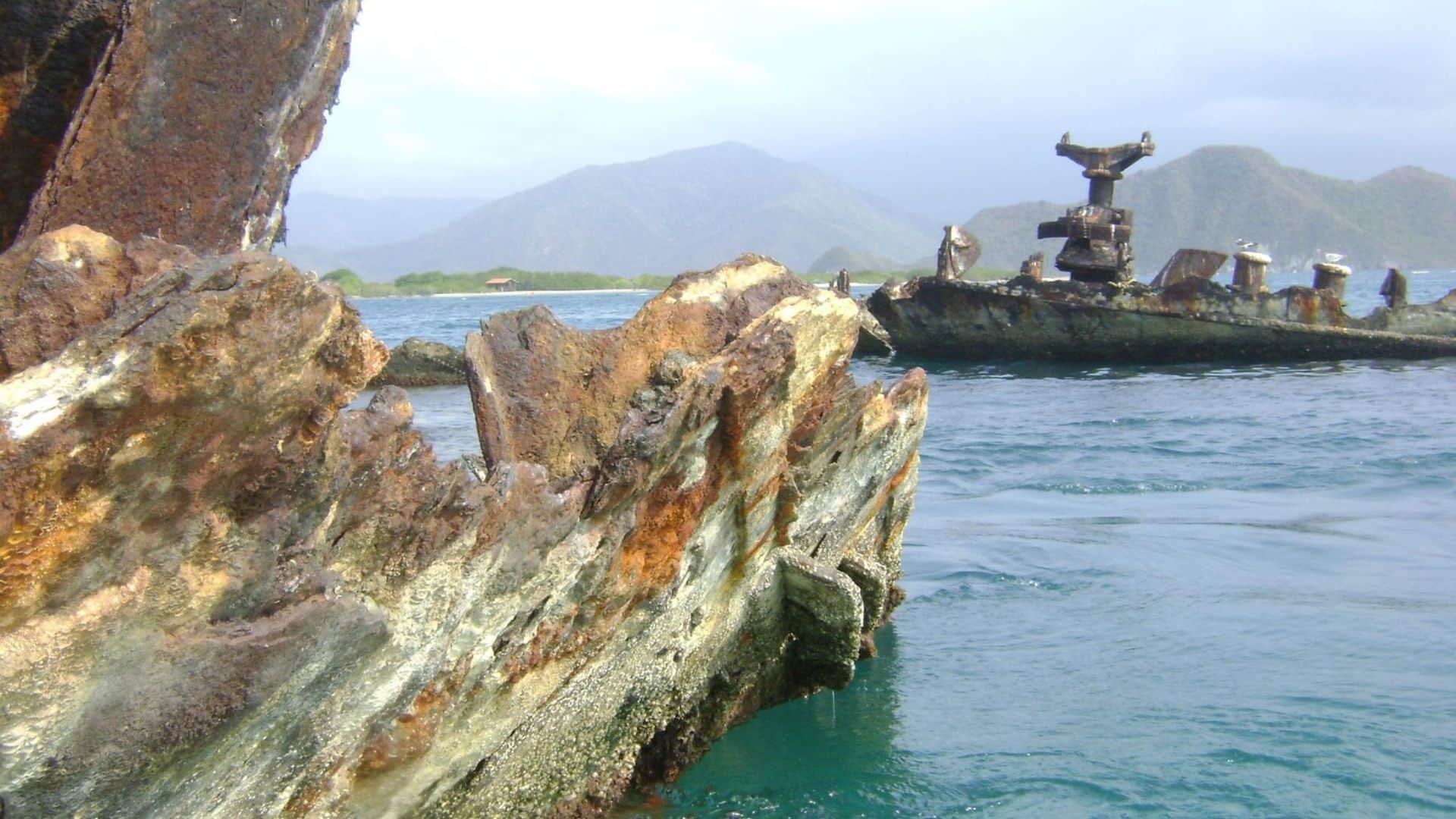
Venezuelan authorities, under then-President Isaías Medina Angarita, ordered theSesostrisdismantled and towed into the shallow waters off Isla Larga, where it settled into the sand and coral. Over decades, currents and marine life slowly claimed the freighter, weaving coral through its ribs and inviting schools of fish to explore the hollowed decks. This transformation turned a symbol of wartime tension into a lively reef. Not all of the wrecks near Isla Larga come from war, though. In the decades following World War II, damaged barges and obsolete vessels were deliberately sunk offshore to clear harbors and encourage new marine habitats. By the 1960s and 1970s, this practice was reshaping Isla Larga’s underwater landscape.
From Fishermen’s Stories to Underwater Landmarks
Long before organized snorkel tours brought visitors to Isla Larga, local fishermen had already discovered the wrecks’ unexpected appeal. Their nets often snagged on twisted steel ribs, and anchors sometimes surfaced in shallow waters where no ship had sailed for decades, prompting stories of “ghost ships” beneath the waves. Over time, these firsthand observations evolved into a kind of underwater folklore. TheSesostris, the Italian-linked cargo ship, and smaller barges earned names and reputations among the fishing community, serving as fixed landmarks for navigation and daily work.
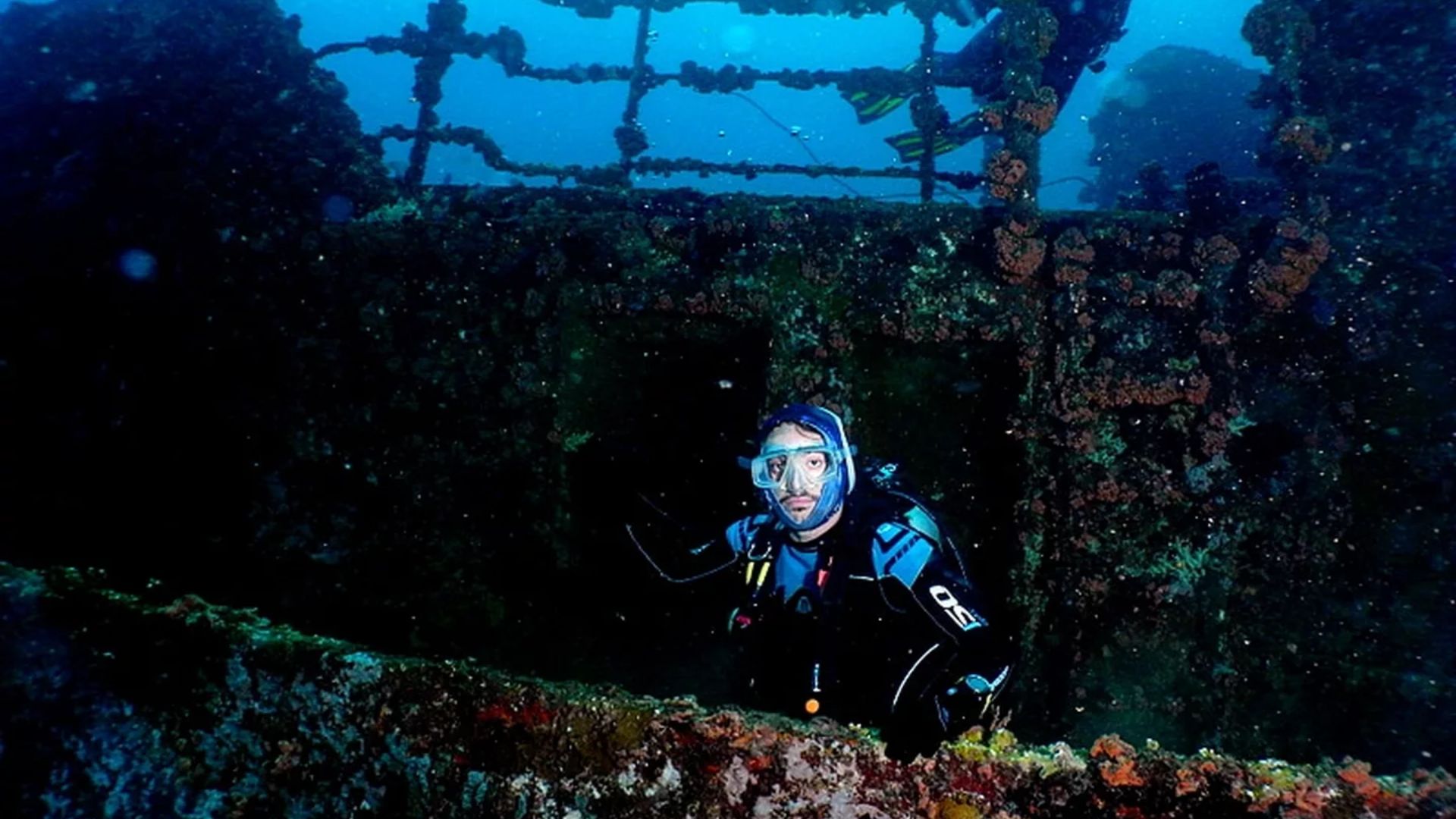
By the late 20th century, divers from nearby Puerto Cabello began mapping the wrecks in detail, recording hull dimensions, compass bearings, and distinctive features like portholes, masts, and deck layouts that confirmed the identities of these long-abandoned vessels. Much of what’s known today comes from oral histories preserved by local guides, municipal cultural programs, and regional maritime heritage organizations.
A Unique Intersection of History, Ecology, and Tourism
Today, the sunken ships off Isla Larga stand as one of the rare places where history, ecology, and tourism come together almost without effort. The water here remains shallow and surprisingly clear, with visibility that lets snorkelers drift right over the resting hulls of theSesostrisand its nearby companion without needing bulky scuba gear. This makes these wrecks among the most accessible in the Caribbean.
What began as wartime desperation and later maritime disposal has unintentionally created some of Venezuela’s most distinctive underwater attractions. Encrusted metal and coral host vibrant schools of tropical fish, parrotfish, and other marine life that have turned these steel giants into living reefs.








![[IMAGE: Best Travel Apps for Stress-Free Adventures United States]](https://www.mathhotels.com/wp-content/uploads/2025/09/608_Best_Travel_Apps_Stress_Free_Vacation_Hero.jpg)