Do you recall when flying was an experience people genuinely anticipated?
We feel the same way, as it seems air travel has become extremely unpleasant for the typical passenger like you and me.
The era of enjoyable flights seems to have vanished — hidden beneath piles of charges, decreasing seat space,bizarre TSA regulations, and airlines’ ongoing effort to determine just how much discomfort the typical individual will endure before they lose their temper.
Welcome to contemporary air travel, where you spend more than ever for less than ever, andthe skies are truly becoming increasingly hazardouswhile airlines act as if everything is okay.
1. The Great Seat Reduction: A Gradual Theft Happening in Real Time
Let’s begin with the clear fact: Your seat has been decreasing in size, and indeed, you are not mistaken.
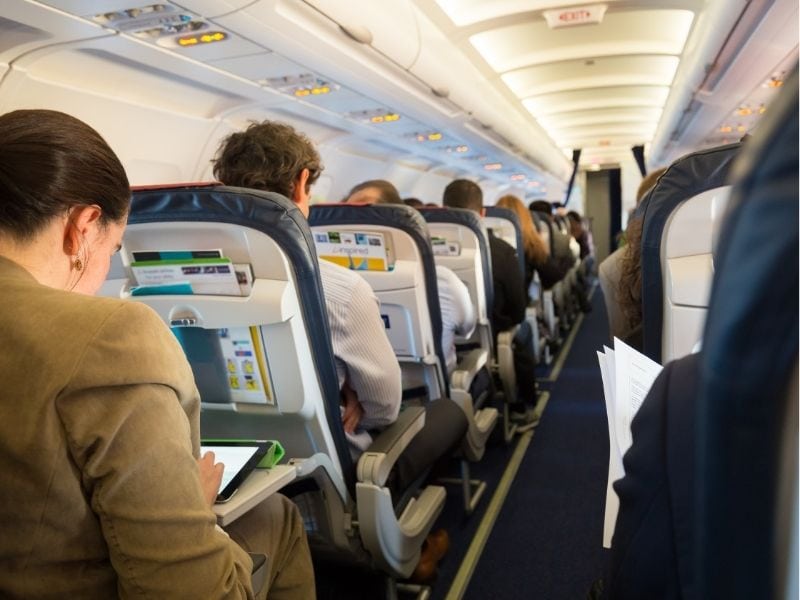
Since the 1970s, the average seat spacing has dropped from a reasonable 35 inches to a cramped 31 inches now—and that’s on the “better” airlines.
Budget airlines such as Spirit and Frontier have happily reduced row spacing to28 inches apart, which is essentially asking you to get very familiar with the dandruff on the person’s head in front of you.
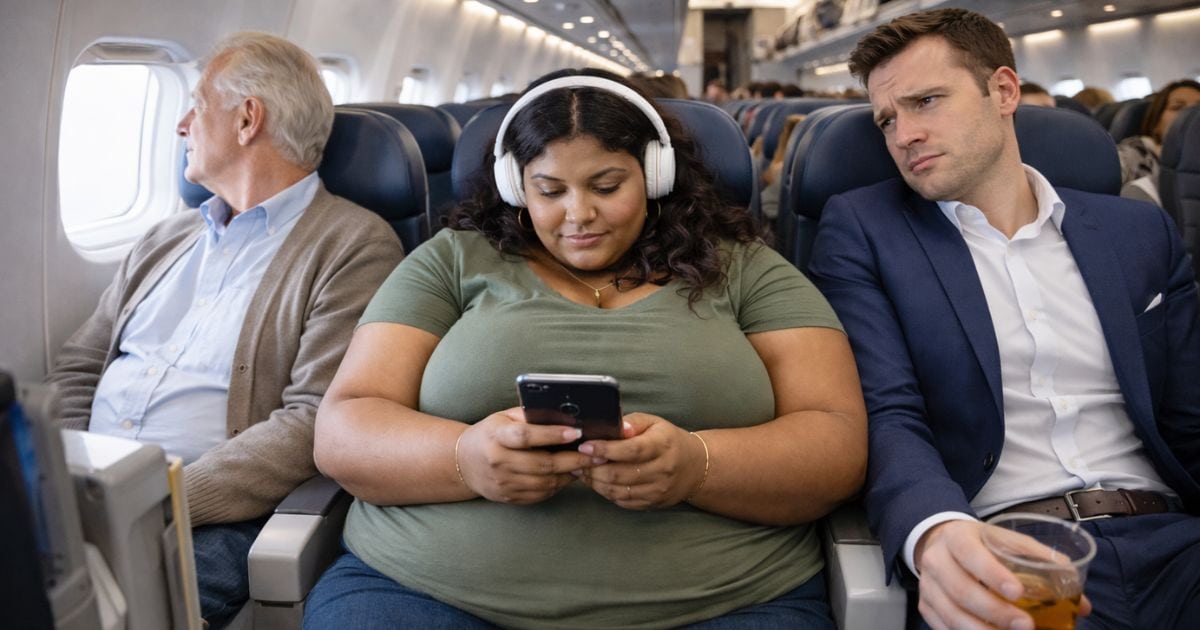
Seat width has also decreasedDecreased from 18.5 inches to 17 inches since the 1960s, even though the typical American man weighs 30 pounds more now.
The math here isn’t working, folks — unless you think thatairlines are intentionally creating unease airlines are purposefully introducing discomfort airlines are consciously making passengers uncomfortable airlines are strategically causing inconvenience airlines are willfully generating discomfort airlines are engineered to provoke discomfort airlines are designed to induce discomfort airlines are intentionally making the experience unpleasant airlines are structured to create discomfort airlines are deliberately making travel uncomfortableso they can resell you the extra space that was once standard.
Some airlines have gone even further: Cebu Air in the Philippines has succeeded incram 460 seatsinto aircraft built for 260-300 travelers, featuring seats that are only 16.5 inches in width.
You’re correct — less than two hand spans of personal space for a long flight — and the ultimate highlight?
Airlines now provide “pre-reclined” seats that don’t recline at all, since why offer even a small level of comfort when they could simply… not?
2. Compensating Airlines Additional Fees for the Experience of Discomfort
Here’s where it becomes genuinely offensive: Although seating has been getting smaller,airfare inflation hit 42%in 2022 — over five times the general inflation rate.
You’re spending much more money to be crammed into much less space, like a twisted magic trick where everyone loses except the airlines.
And don’t overlook the charges – oh, the wonderful charges.
- Would you like to choose your seat? That will come at a price.
- Would you like a seat with the legroom that was once typical? That will come at an additional fee.
- Would you like to take a personal item on board?Low-cost airlines will also charge you for that..
TheCDC reportsThat current car seat designs continue to be based on a male passenger from the 1960s who is 5 feet 10 inches tall and weighs 180 pounds.
In the meantime, one-fourth of U.S. men weigh over 224 pounds, while one-fourth of U.S. women exceed 195 pounds.
But certainly, let’s continue creating seats for individuals who have not been around for six decades.
Senator Chuck Schumer expressed it perfectlyhereIt’s simply unjust that someone is penalized for additional inches that were previously considered normal.
3. Clear Air Turbulence: As Flying Had to Become More Hazardous as Well
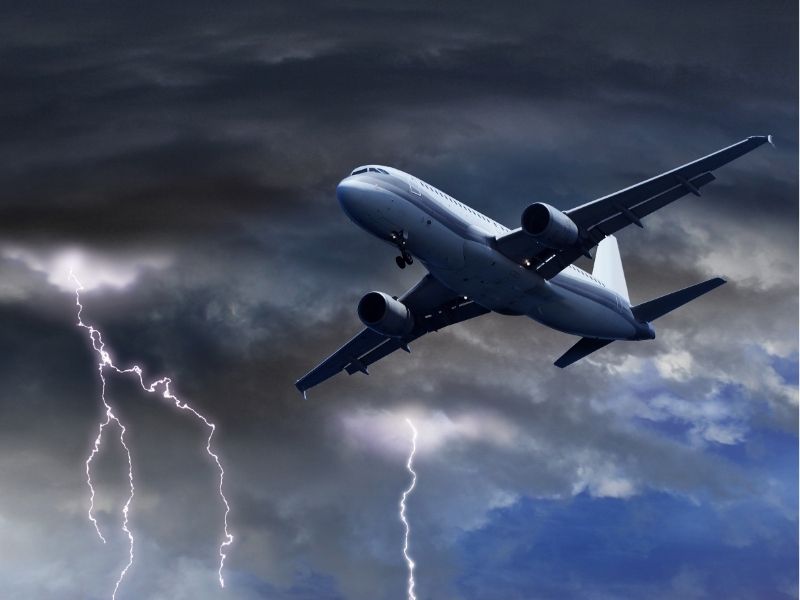
Just when cramped seating and inflated prices weren’t bad enough, climate change has added to the risks of air travel.
Clear Air Turbulence (CAT)has gone up by 55% compared to the United States and North Atlantic since 1979, and it is expected to double or possibly triple in the next few decades.
This is not your typical rough journey — CAT is invisible, unpredictable, andcannot be detected from the cockpituntil it’s too late.
Between 2009 and 2022, the NTSB recorded163 serious injuriesresulting from turbulence, such as significant breaks, internal hemorrhaging, and wounds that necessitate extended hospital stays.
Flight attendants take the most impact, enduring80% of all incidents involving turbulence-related injuriesbecause they’re pushing 300-pound carts when these unexpected situations happen.
Across the North Atlantic—one of the most heavily traveled air corridors in the world—severe turbulence rose by 55%between 1979 and 2020.
Climate scientists warn thatby 2050, severe clear-air turbulence could occur four times more frequently than previously recorded.
Research showsthat rising temperatures increase wind shear in jet streams, leading to more unpredictable conditions that toss aircraft around like playthings.
Now you have to pay extra to sit in a seat meant for someone from the Kennedy era, all while being violently shaken by ever more unpredictable weather.
What a moment to exist.
4. The Airline Deregulation Present That Continually Keeps on Giving
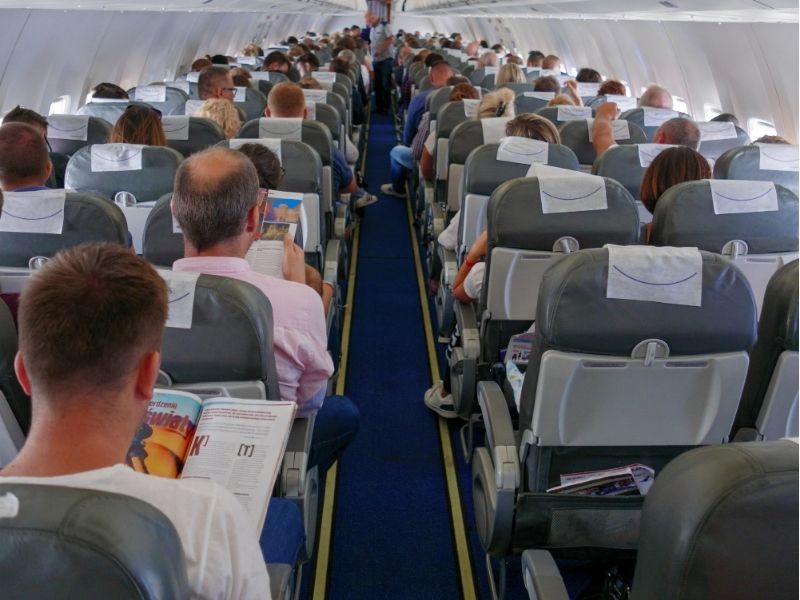
You can follow this whole ordeal back tothe 1978 Airline Deregulation Act, which eliminated government regulation and transformed air travel into a downward spiral.
Prior to deregulation, economy seats offered 34 to 38 inches of legroom — which would be considered first-class by current standards.
Later on, airlines realized they could simply reduce seat sizes and demand higher prices for them. And let me tell you, they definitely did.
The advantage (for airlines) of this gradual pressure is that travelers adjust slowly, similar to the well-known frog in simmering water.
One industry expertcompared it precisely to that analogy: “They kept reducing it until eventually almost everyone recognized it.”
Meanwhile, airlines received$50 billion for pandemic assistance $50 billion in aid due to the pandemic $50 billion allocated for pandemic support $50 billion directed towards pandemic relief efforts $50 billion set aside for pandemic-related assistanceto assist their employees, they quickly utilized the funds for stock repurchases and urged experienced staff to retire.
The outcome? A lack of staff, disorder, flight delays, and an even more negative traveler experience.
But hey, at least the investors are satisfied.
5. The Air Travel Safety Issues That Everyone Ignores
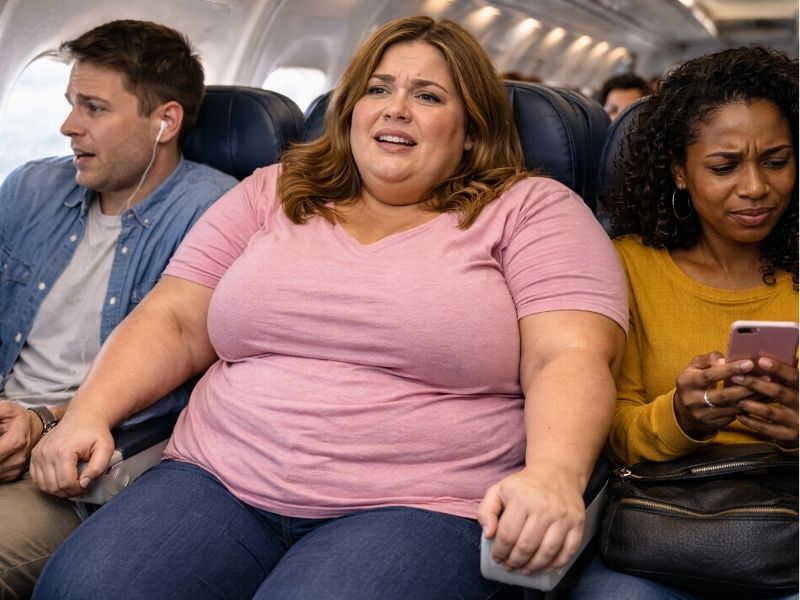
Here’s the section that ought to make you afraid:Fewer than half of U.S. air travelerscan reasonably accommodate in economy class seats as of 2022.
When the FAA initiated a public comment period regarding seat dimensions, they receivedmore than 26,000 responsesreferring to the seats as “packed,” “uncomfortable,” “poor,” and possibly dangerous to one’s well-being.
A reader commented: “The typical person can barely sit with their arms crossed and hold everything in as much as they can.”
The2018 FAA Reauthorization Actrequested an examination of seat sizes to confirm they comply with emergency exit requirements.
Here’s the thing: With passengers packed tightly together, is it possible for them to evacuate swiftly in an emergency?
Consumer advocate William McGeesimply put: “We’ve had a lot of luck. Americans are growing bigger, the seats are becoming more cramped, and the planes are filling up more.”
The suggestion is: We are one catastrophe away from discovering how perilous this pressure has turned out to be.
6. The “Choices” Available with Your Airline Are a Deception
Airline companies enjoy stating that they provide passengers with “choice” through different pricing categories.
But let’s refer to it as it truly is: Artificial scarcity.
They intentionally design basic economy to be so unpleasant that you end up paying more for what was once the typical experience.
Basic economy flight faresdon’t even allow you to select your seat ahead of time — you’ll definitely get a middle seat when checking in, wedged between two strangers for the entire flight.
Would you like an exit row with a bit more legroom?
That will incur an additional charge, even thoughexit rows are available for safety, not as a source of revenue.
And the most irritating part?
Airlines aretraveling on the strength of years of successful earningswhile packing passengers into increasingly cramped areas.
One individual in this connected articlesummed it upperfectly stating that airlines are “placing rats in a box” and charging additional fees to provide passengers with a bit of comfort.
Another person observed that airlines are creating economy class seating to be sufficiently uncomfortable so that “passengers choose to pay extra to avoid it.”
It’s not creativity; it’s theft with a grin. (If you even receive a grin, that is )
7. The Slim Chances of Optimism for Air Travel (But Don’t Be Too Hopeful)
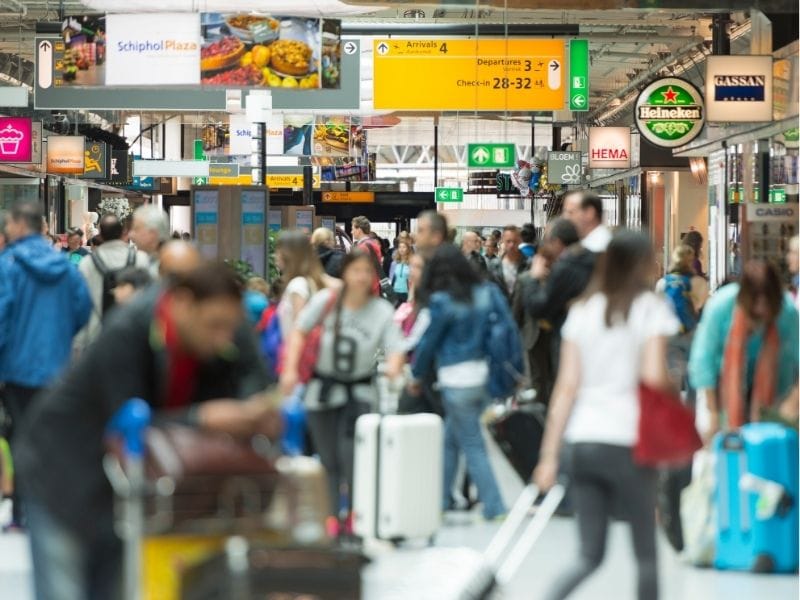
Some efforts have been made to resist this terrible situation.
Congress has required airlinesto set minimum dimensions for seats, although the effectiveness of enforcement is uncertain.
TheDOT now requires airlinesto reveal seat sizes openly, so at least you can understand precisely how uncomfortable you’ll be prior to reserving.
Some recently constructed airport terminals feature increased space and improved facilities.
But let’s be honest: these are minor fixes on a major problem.
The core issue persists—airlines have realized they can handle passengers as if they were freight, impose high fees, and encounter almost no repercussions.
And withturbulence getting worseBecause of climate change, flying is increasingly uncomfortable, riskier, and costlier.
The Core Issue: We’re All Simply Consumers in Increasingly Smaller Containers
Air travel has become a trial of both physical and financial stamina.
You’re required to pay continuously rising prices for progressively smaller seating areas whileclimate changemakes the experience more chaotic and risky.
The bitter irony is that you don’t truly have a choice.
For the majority of routes, flying remains the sole viable choice, andairlines know it.
Therefore, they will continue to extract, continue to impose fees, and continue to feign that they are helping you by offering to resell the respect that air travel once provided as a basic feature.
One traveler depicted the dystopia perfectly:It’s either sit in the seat I can afford—or skip the whole thing.(The quote was featured inthis article).
And that, dear travelers, is precisely where airlines would like you—stuck, uneasy, and ready to pay any price for a little more room that your grandparents received at no cost.
The heyday of air travel is gone. Long live the time of paying high prices to be treated like cargo.