
The United States is home to 63 national parks and over 100 national monuments, each a breathtaking testament to the country’s natural beauty and historical significance. These protected areas offer a wide range of experiences, from easy hiking trails for beginners to remote wilderness that only seasoned backpackers can access. Despite their varying levels of difficulty, these parks often feel timeless—like enduring symbols of nature and history that remain as constant as the Earth itself. For those who have marveled at the Grand Canyon or Yosemite Valley, it may come as a surprise that some of America’s once-prominent national park sites were ultimately abandoned.
The idea of a “defunct” national park might seem both tragic and amusing. After all, if a site is significant enough to be designated a national park, how could the government abandon it so easily? Or worse, if its resources were destroyed or degraded, why would the country allow that to happen? The answers to these questions vary, but politics, public interest, and financial considerations often play a role in a park’s decline.
The good news is that many of these former national parks still exist in some form, often under different protections within the National Park Service or other federal or state agencies. Some of them continue to attract visitors even without their official status. Here are five examples of former national parks and monuments that, though no longer officially recognized, remain remarkable American treasures.
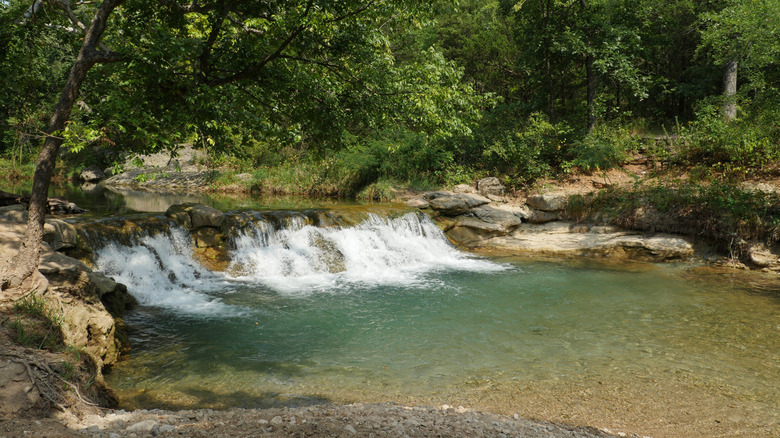
Platt National Park
Oklahoma currently has no national parks, but that wasn’t always the case. From 1906 to 1976, the state was home to Platt National Park, which served as one of the nation’s top recreation destinations during its early years. Like Arkansas’s Hot Springs National Park, Platt preserved a collection of natural mineral springs for both sightseeing and therapeutic use. These 33 mineral springs were located near the town of Sulphur, between the Arbuckle Mountains and the Washita River Valley.
In 1902, the federal government purchased the land from the Chickasaw and Choctaw nations to create a publicly accessible preserve. Platt National Park was named after Connecticut Senator Orville H. Platt, who played a key role in its establishment. Though not as dramatic as Yellowstone or the Grand Canyon, Platt was extremely popular, even surpassing Yellowstone and Yosemite in visitor numbers in 1914.
However, as the National Park Service expanded, expectations for national parks shifted toward more dramatic landscapes. In 1976, Platt National Park was combined with the nearby Arbuckle Recreation Area to form the Chickasaw National Recreation Area. Today, Platt’s mineral springs and historic structures are still available for free visitation.
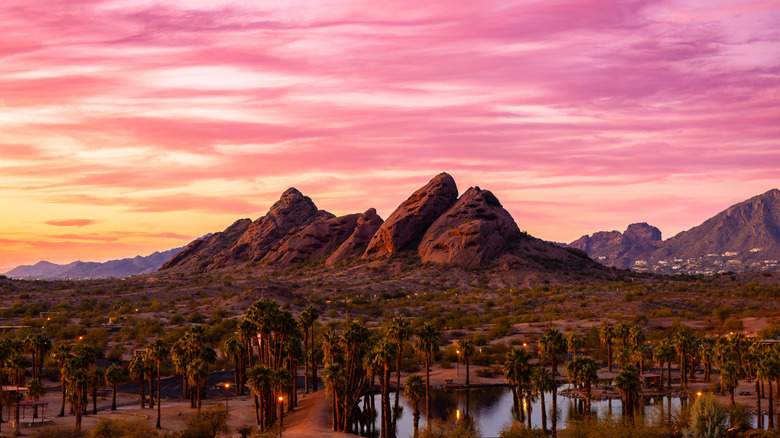
Papago Saguaro National Monument
Arizona is famously associated with the saguaro cactus, and the Saguaro National Park is one of the most iconic spots for viewing these towering plants. However, the saguaro also lent its name to another NPS site: the Papago Saguaro National Monument. Located in the Phoenix metro area, this site was established by President Woodrow Wilson in 1914 to protect the unique desert ecosystem.
Despite its ecological value, the monument faced challenges. It suffered from chronic underfunding, and parts of the land were lost to roads, railways, and mining operations. By 1930, Congress decided to remove the site from the National Park Service. Arizona reclaimed the land and re-established it as Papago Park, a municipal park with improved protection and amenities.
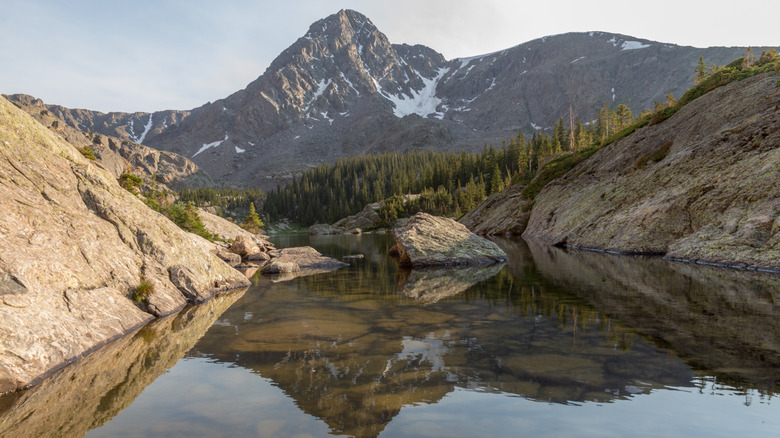
Holy Cross National Monument
Colorado is home to numerous high peaks, including the Mount of the Holy Cross, which gained national recognition due to a striking natural phenomenon. In 1873, photographer William Henry Jackson captured an image of a snow-covered cross on the mountain, which became a media sensation. This led to the creation of the Holy Cross National Monument in 1929 by President Herbert Hoover.
However, the monument struggled with administrative challenges. Its remote location made staffing difficult, and the federal government failed to provide adequate funding. In 1950, just 17 years after its establishment, the monument was abolished. Today, the area is part of the Holy Cross Wilderness in the U.S. Forest Service’s White River National Forest. Visitors can still see the famous snow cross if conditions are right.
Lewis and Clark Cavern National Monument
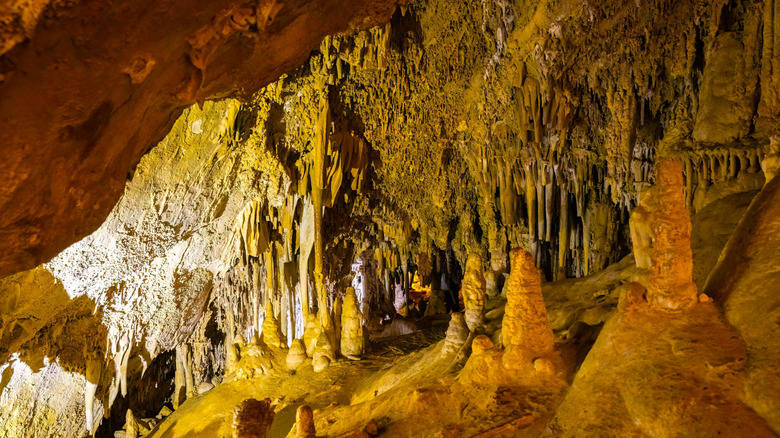
Montana is known for its stunning landscapes, and Lewis and Clark Caverns State Park is one of the state’s most impressive natural wonders. While it is now a state park, it was once a national monument. President Theodore Roosevelt established the Lewis and Clark Cavern National Monument in 1908, recognizing the cave’s unique limestone formations and speleothems.
The cave had limited accessibility in its early years, but infrastructure improvements in the 1930s made it easier to explore. However, low visitation and lack of federal investment led to its transfer to Montana in 1941. Today, the park remains a popular destination for cave exploration.
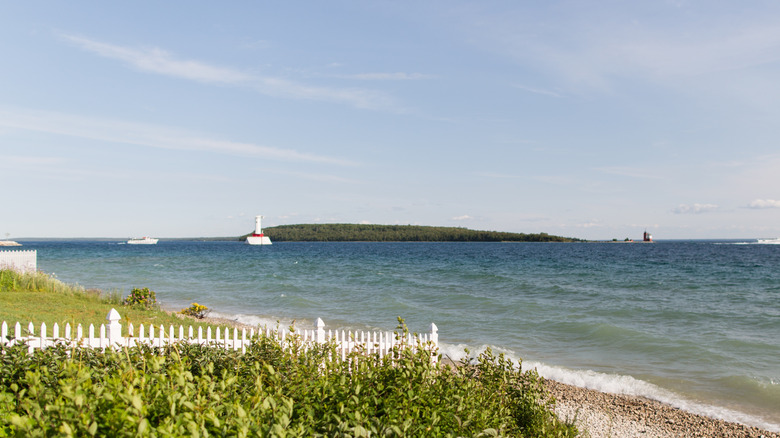
Mackinac National Park
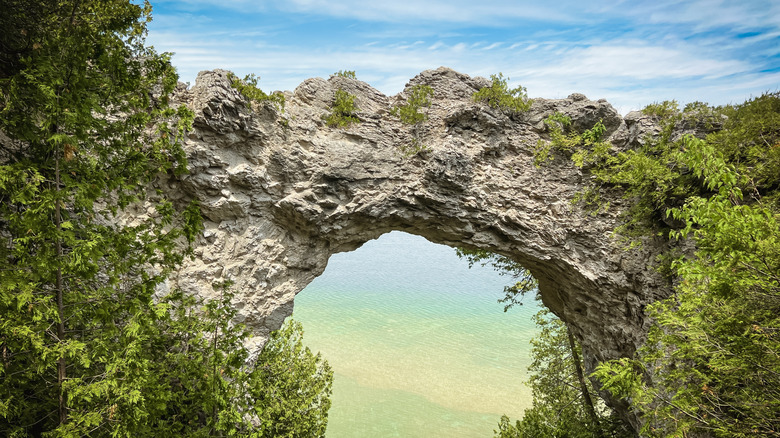
Mackinac Island in Michigan is now a major tourist destination, but it was once the second national park in the United States. Established in 1875, Mackinac National Park was created to protect the island’s natural and historic features, including the Arch Rock and the Grand Hotel. However, the park’s administration was initially managed by the War Department through Fort Mackinac.
As the island’s military significance declined, the federal government transferred management to the state of Michigan in 1895. Today, the island is a popular state park, accessible via ferry from the mainland.












![[IMAGE: Best Travel Apps for Stress-Free Adventures United States]](https://www.mathhotels.com/wp-content/uploads/2025/09/608_Best_Travel_Apps_Stress_Free_Vacation_Hero.jpg)