Missile Debris and Travel Disruptions in Dubai
Over the weekend, missile debris fell on parts of Dubai’s Palm Jumeirah, a man-made island known for its luxury hotels and fine-dining spots, including the iconic Burj Al Arab. Local authorities reported that four individuals were injured in a resulting fire. While the damage to the hotels is significant, it’s just one aspect of how the U.S.-Israeli attacks on Iran and the subsequent counterattacks have impacted the global travel industry.
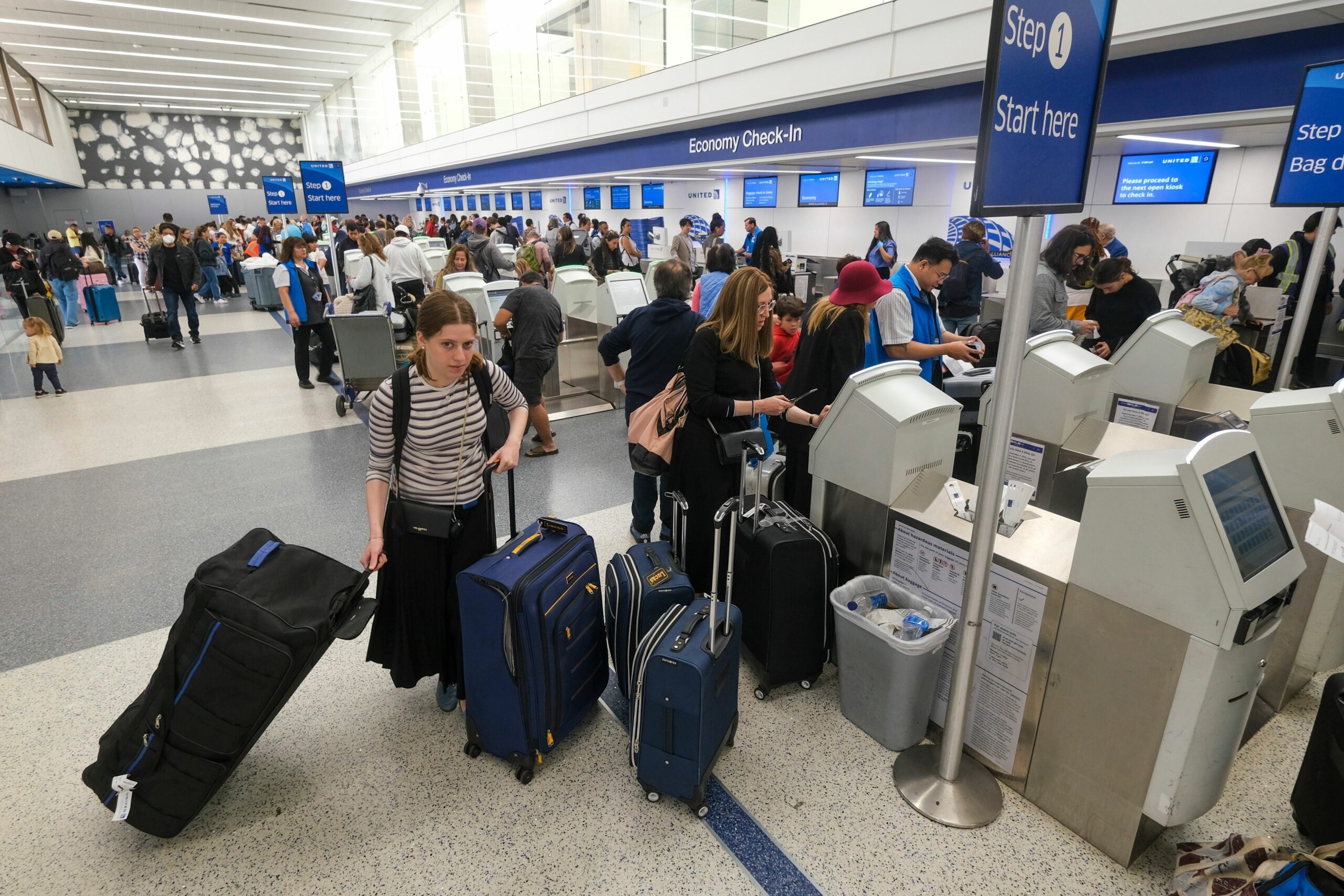
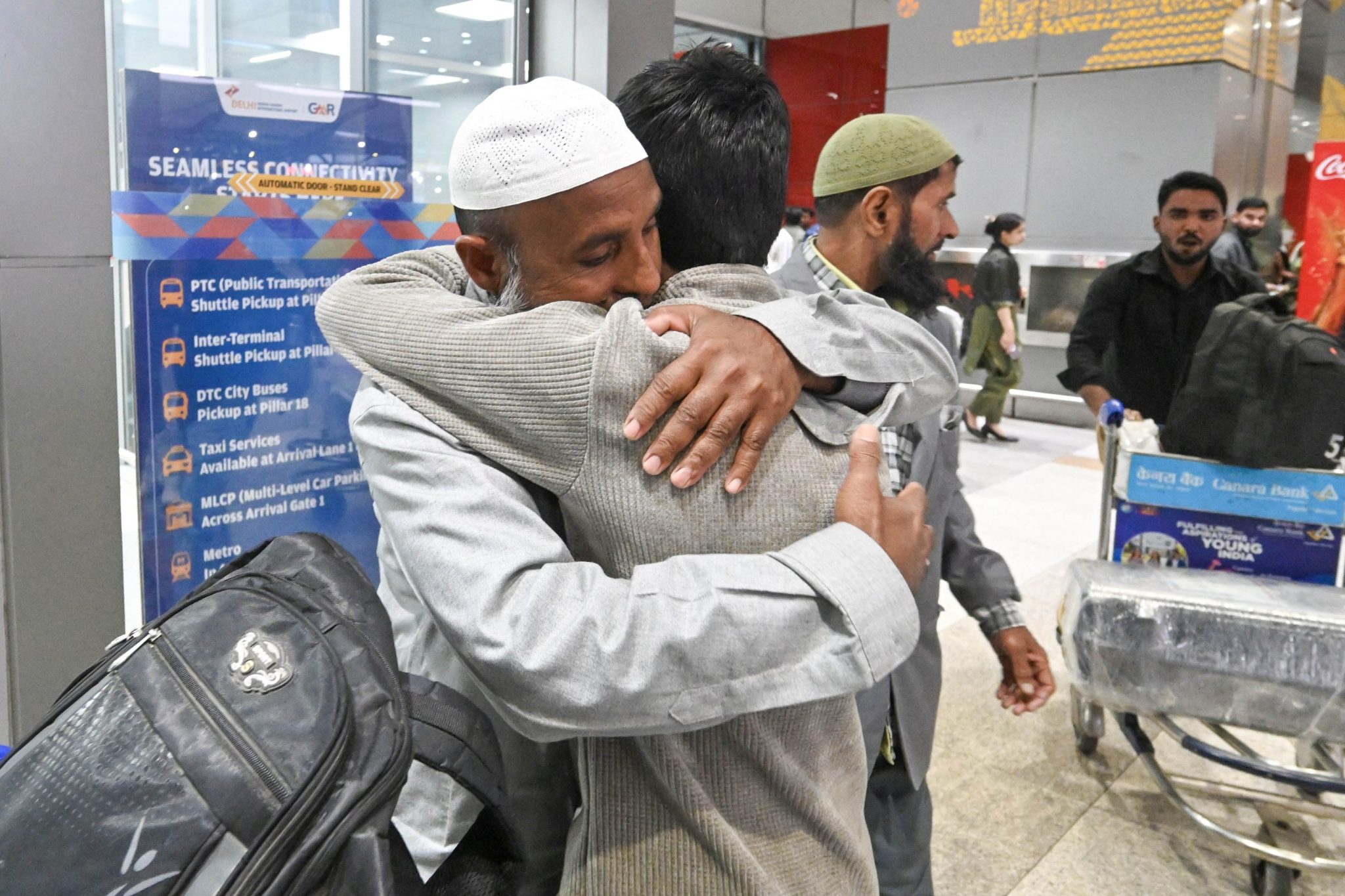
According to data from flight analytics platform Cirium, more than 23,000 flights have been canceled globally since Iran’s first retaliatory strike. These cancellations, especially in key hubs like Dubai, Abu Dhabi, and Doha, have left hundreds of thousands of travelers stranded in the region. Some are waiting for government-organized repatriation flights, while others are willing to pay over $200,000 for chartered flights to Europe from Dubai.
MSC Cruises recently announced plans to charter five flights, each carrying about 1,000 passengers, to repatriate guests on the MSC Euribia, a ship with a capacity of 6,300 people. The cruise line also canceled its three remaining sailings from Dubai in March, citing the ongoing conflict as the reason.
Unprecedented Disruptions to the Travel Industry
The disruptions caused by the conflict are among the largest the travel industry—worth $11.7 trillion, according to the World Travel & Tourism Council—has ever faced. Henry Harteveldt, founder of travel consultancy Atmosphere Research Group, described the situation as “unprecedented.”
“This is obviously a war, a military conflict, and this has destabilized travel on the six populated continents of the earth,” Harteveldt said. Unlike the COVID pandemic, which was a health-related issue, this conflict has led to widespread flight restrictions and airspace closures.
Impact on the Middle East
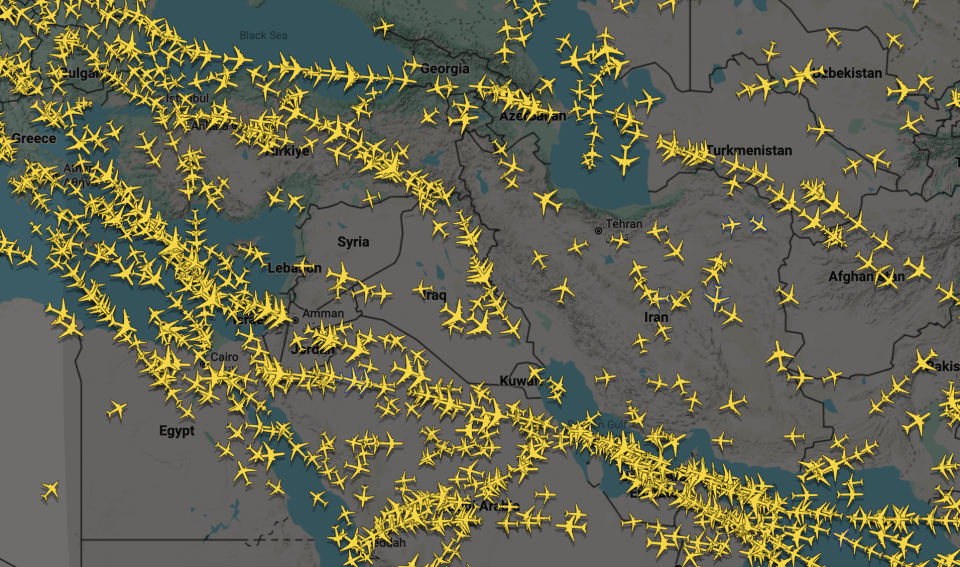
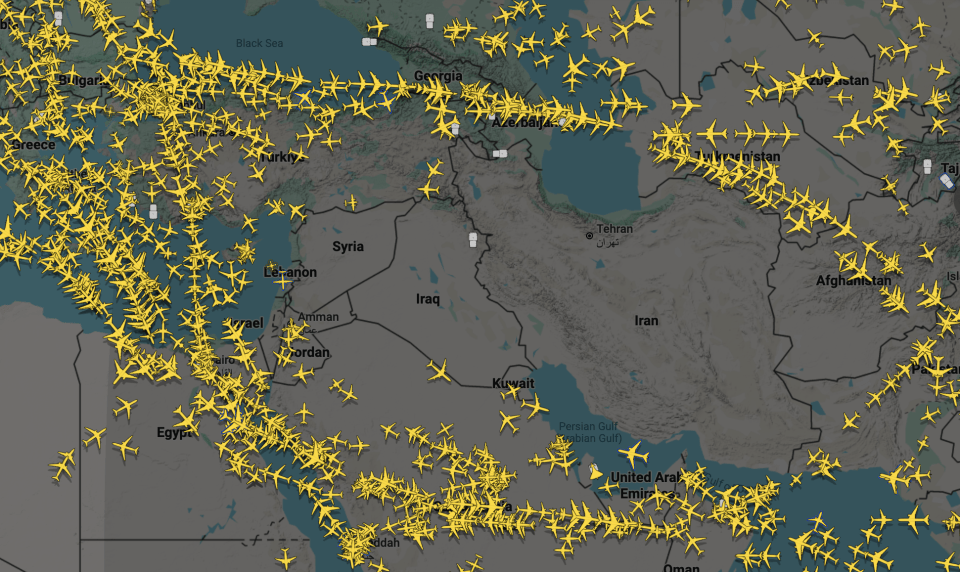
The Middle East has seen its share of conflicts in recent decades, but Iran’s counterattacks have targeted not only Israel but also several Gulf countries, including the UAE, Qatar, Kuwait, Bahrain, Saudi Arabia, Oman, Jordan, and Lebanon. This has led to the closure of large swaths of airspace and grounded aircraft and crew.
Tourism plays a vital role in the economies of many Gulf states. In 2023, tourism accounted for about 12% of the UAE’s economy. The Persian Gulf is home to millions of Indian migrant workers who frequently travel between the region and India via sub-three-hour flights. Dubai International Airport, the world’s busiest hub for international travel, recorded a record 95.2 million passengers in 2025.
Following the recent attacks, aircraft and crew were displaced, causing massive disruptions in air travel.
“You have hundreds of aircraft that are not where they need to be,” Harteveldt said. “And with that, of course, you’ve got pilots and cabin crew who are not where they’re supposed to be either.”
Resilience and Recovery
Despite the challenges, Harteveldt expects the travel industry to recover. Hotel guests in the area report feeling safe and comfortable, and airlines have started to resume limited operations. Emirates, for example, announced a reduced flight schedule of over 100 flights until further notice. The UAE has also opened a “safe air corridor” to allow airlines like Emirates, Etihad Airways, and FlyDubai to operate up to 48 flights per hour.
However, the biggest challenge in the near future may be convincing prospective travelers that the Gulf and Middle East are still safe destinations. Harteveldt emphasized that airlines, airports, and governments will need to take action to rebuild public trust.
New Opportunities Amidst the Chaos
While some see challenges, others in the aviation industry see opportunities elsewhere. Ryanair CEO Michael O’Leary predicted a short-term decline in Persian Gulf tourism but noted a surge in short-haul bookings in Europe for the Easter vacation period. He believes the conflict will be short-lived and does not expect major shifts in booking trends over the next few months.
O’Leary also made a comment about former President Donald Trump, saying, “He has a short attention span. So he would want it to be over reasonably quickly or he’ll get bored.”
Ryanair and the White House did not immediately respond to requests for comment.