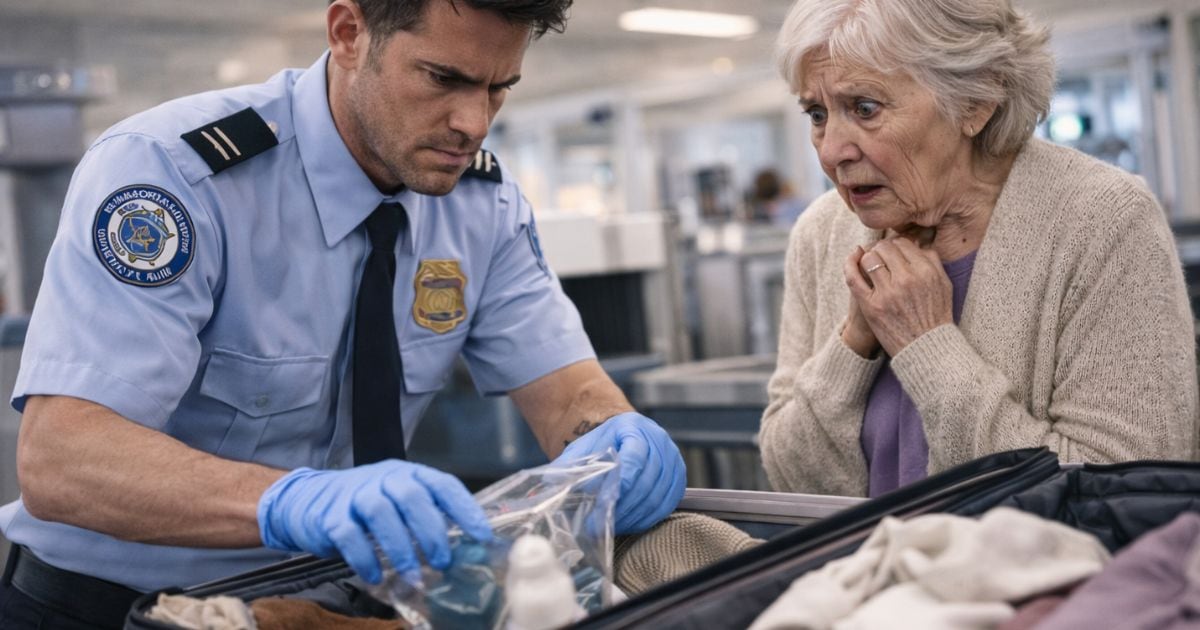
The Transportation Security Administration, also known as the TSA, has a single responsibility: to ensure the safety of air travelers such as you and me (and I am definitely thankful for that).
Nevertheless, at some point, they transitioned from sensible security protocols to prohibiting children’s playthings, breakfast items, and your grandmother’s kitchen tools (we have compiled the most bizarre examples below).
In 2026, the list of banned items has become extremely ridiculous, causing travelers to feel confused, annoyed, and sometimes amused by how absurd it all is.
Continue reading to find 20 items that are prohibited from being taken on a plane according to TSA regulations — and yes, these are all genuine, with the full list available directly on the TSA website.
1. Magic 8 Ball
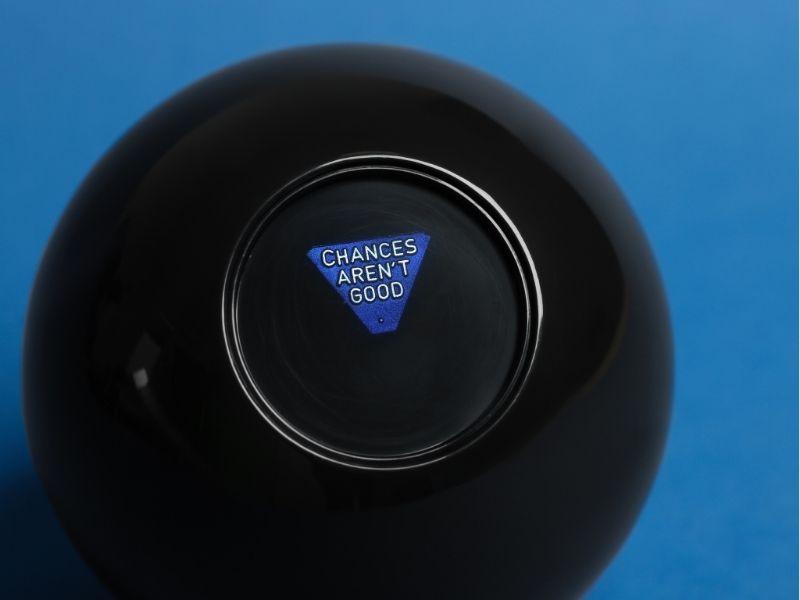
Do you recall the Magic 8 Ball?That cherished pool ball fortune-telling toy from your youth?
Well, that famous black ball holds more than 3.4 ounces of liquid, which means it doesn’t complyTSA’s 3-1-1 rule.
If you were considering seeking guidance from the spirits for your vacation choices while flying at 30,000 feet, reconsider, as you’ll need to check your Magic 8 Ball (or leave it behind).
TSA officers are said to have seized hundreds of these nostalgic playthings, leaving many passengers puzzled as they never thought a child’s game could be seen as a threat.
Their formal position? “Outlook not so good” when it comes to including it in your carry-on, asThe TSA has identified it as a liquid hazard..
2. Peanut Butter
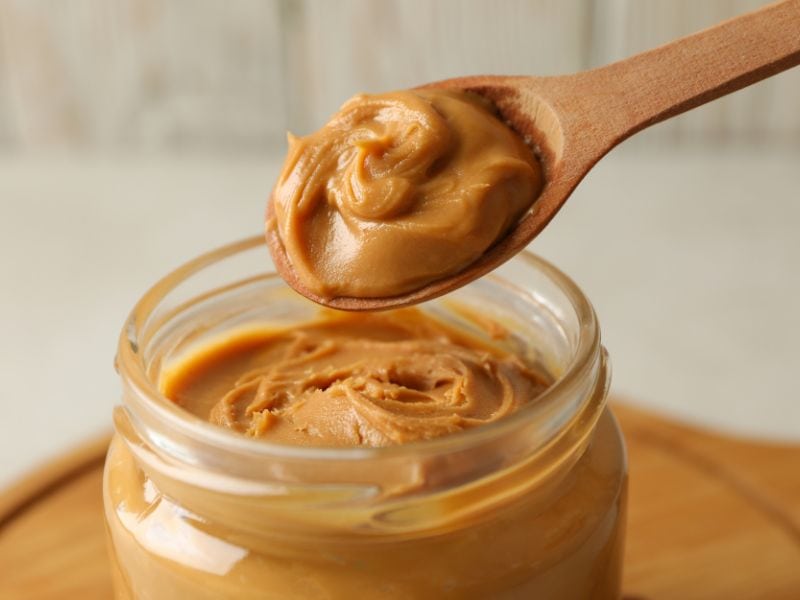
Did you know that the beloved sandwich topping has been categorized as a liquid by the TSA?
You’re correct: The thick, viscous material that can be physically scooped with a knife is supposedly fluid enough to pose a risk.
Every jar of peanut butter (and items such as hummus) that exceeds 3.4 ounces needs to be placed in checked baggage.
This implies that your large Costco-sized Jif container poses a security risk — however, a 3.4-ounce travel-sized version is acceptable.
What’s the reasoning? All spreads, pastes, and gels are considered liquids.
Although you may carry a small container, the large jar you intended to give as a gift to your relatives overseas must be checked (provided it survives the baggage handlers, of course).
3. Gel Shoe Inserts
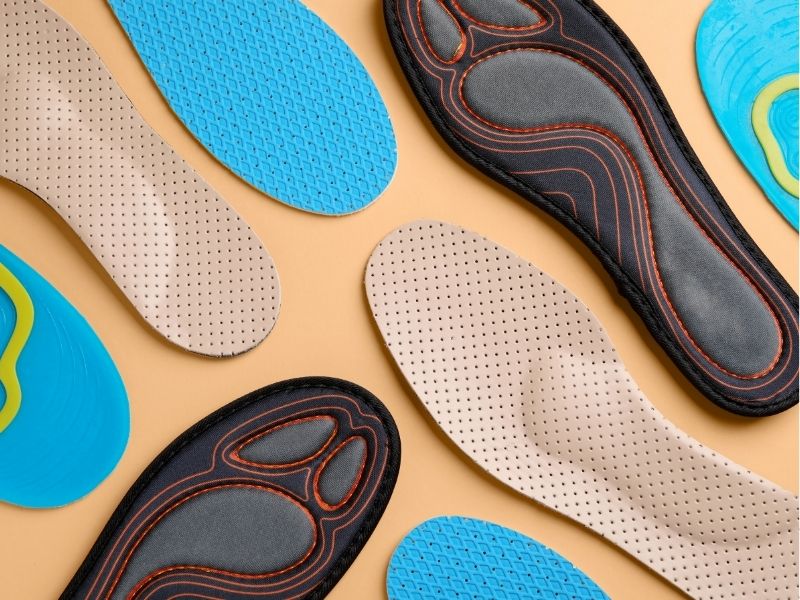
Dr. Scholl’s hopes you enjoy comfort during your travels, but the TSA has different intentions.
These comfortable gel shoe insoles with soft paddingthose that make traversing endless airport terminals manageable are not allowed in carry-on bags.
The gel substance surpasses the liquid threshold, seemingly compromising your foot’s comfort as a possible security concern.
You may wear shoes that have gel padding built-in, but any removable insoles need to be placed in your carry-on luggage.
What’s the other option? Endure the security process and travel in uncomfortable footwear, or place them in a spot where luggage frequently ends up forgotten.
Numerous regular travelers mention that TSA officers vary in their application of this regulation, with some permitting them while others take them away immediately.
4. Snow Globes

That cute Eiffel Tower snow globe you bought in Paris as a keepsake? It’s remaining in Paris (or at least not making the trip home in your carry-on).
Snow globes like thesecontain liquid — this is what causes the snow to fall — and most surpass the 3.4-ounce limit.
The TSA views them as possible containers for concealing hazardous liquids, despite being sealed and ornamental products available in tourist shops around the globe.
Snow globes smaller than 3.4 ounces that can fit in a quart-sized liquids bag are officially permitted, but it’s hard to find one that small.
Most visitors learn this rule the tough way, seeing their carefully chosen keepsake thrown into a bin at the security checkpoint.
Our travel advice: Place them in baggage you check or send them back on their own.
5. Party Poppers

Thinking of marking your arrival with some festive confetti? Don’t count on it if TSA has any say in the matter.
These small plastic celebration noisemakersthat produce the highly satisfying “pop” noise and release confetti are prohibited in both hand baggage and checked luggage.
What is the explanation? They include a tiny explosive charge to produce the popping noise.
Although they are marketed to kids and commonly used at birthday celebrations, the TSA categorizes them with fireworks and other explosive materials.
No exceptions are allowed here; not even for the tiniest versions.
If you’re going to a celebration at your destination, you’ll need to purchase your party supplies once you arrive. The confetti will have to be postponed.
6. Foam Toy Swords

A foam pirate sword purchased from a costume store for your five-year-old is classified as a weapon by the TSA.
Although crafted from soft, squishy foam that poses no threat to a fly, these toys are banned from carry-on bags because they “look like” actual swords.
The TSA’s reasoning is that any object resembling a weapon might create fear or be used to threaten, even if it’s clearly a toy.
This has resulted in many disappointed children at security areas, seeing their favorite toy swords taken away.
The positive news is that you can place foam swords in your checked baggage, allowing them to travel securely along with your real sharp items.
The unfortunate part? Trying to explain to a tearful child that their toy is unsafe too.
7. Wireless Curling and Straightening Irons
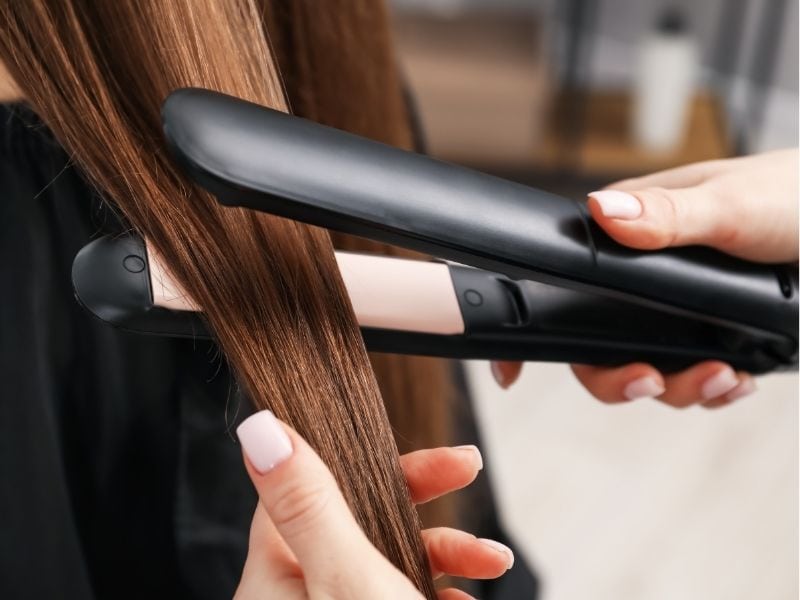
As of 2025, the TSA has prohibited gas-powered cordless curling irons and flat irons from being placed in checked baggage because of potential fire hazards.
These handy styling devices utilize butane or gas cartridges, which may leak or catch fire in the pressurized cargo area.
You may still include them in your carry-on bag, provided they have a protective cover on the heating component to avoid unintended activation.
Cordless tools that run on batteries are subject to different rules—they need to be placed in carry-on bags since lithium batteries are not allowed in checked luggage.
The best choice? Bring standard plug-in hair styling devices that don’t need specific cartridges or power sources.
Unless you’re prepared to handle the intricate guidelines, your hair may simply need to air dry.
8. Gel Candles

Looking to add a soothing aromatherapy atmosphere to your hotel room? The TSA prohibits gel candles in carry-on bags.
Unlike standard wax candles (which are permitted),gel candles like theseare categorized as liquids due to their gel-like wax structure.
There is no exception based on size; even small gel candles are not allowed in carry-on luggage.
The regulation appears especially unreasonable since standard wax candles are acceptable, but the TSA insists that the gel type classifies them as liquids.
You may include gel candles in your checked baggage if you absolutely must have them, or opt for standard candles to avoid the inconvenience.
9. Protein Supplement (More than 12 Ounces)

Fitness lovers, be aware—your protein powder might be questionable.
Any substance that is in a powdered form and weighs more than 12 ounces needs to be put into a different container for further X-ray inspection at security.
The Transportation Security Administration introduced this regulation following worries about powder materials that might be utilized to create bombs.
Your standard whey protein is subject to the same checks as any other powder, so TSA officers might also request that you open the container for a visual check.
Although it is not completely prohibited, be prepared for extra inspection time and potential hand swabbing of the container.
For regular travelers, opting for smaller containers or buying protein powder at your destination could be beneficial in terms of convenience.
Otherwise, allow additional time at security.
10. Nutella
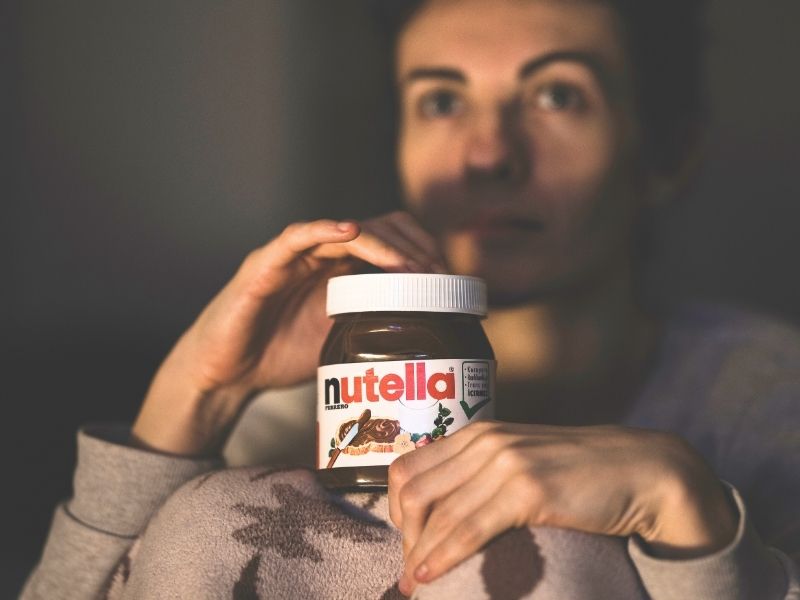
The popular chocolate-hazelnut spread that Europeans can’t do without? It’s classified as a gel by the TSA.
All containers exceeding 3.4 ounces are not allowed in hand baggage, dashing the hopes of Nutella lovers everywhere.
This categorization has led to significant annoyance among international travelers attempting to bring back genuine European Nutella, which many claim has a superior flavor compared to the American version.
You can fill these compact, portable jars with Nutellawhich are permitted if they can fit in your quart-sized liquid bag along with your personal care items.
However, the large jar you intended to bring home needs to be placed in your checked baggage.
Numerous travelers mention that TSA officers are particularly rigorous in applying this regulation, possibly due to the large number of individuals attempting to circumvent it.
11. Cast Iron Pans

While your grandmother’s (or your)treasured Lodge skillet panis technically permitted in carry-on bags, good luck getting it through.
TSA officers have broad authority to ban items that might be used as weapons, and a thick cast iron skillet certainly meets that criteria.
Although the official regulations do not directly prohibit them, numerous agents view any item that is heavy and difficult to handle as a possible weapon for striking.
Your experience can differ significantly based on the airport and the agent, of course.
Some tourists manage to keep their valuable cookware with them, while others have it taken away or are required to check it.
If you’re fond of your cast iron cookware and need to take it along, checking it in is your best option — although they are heavy, make sure to consider the weight when packing.
12. Glow Sticks
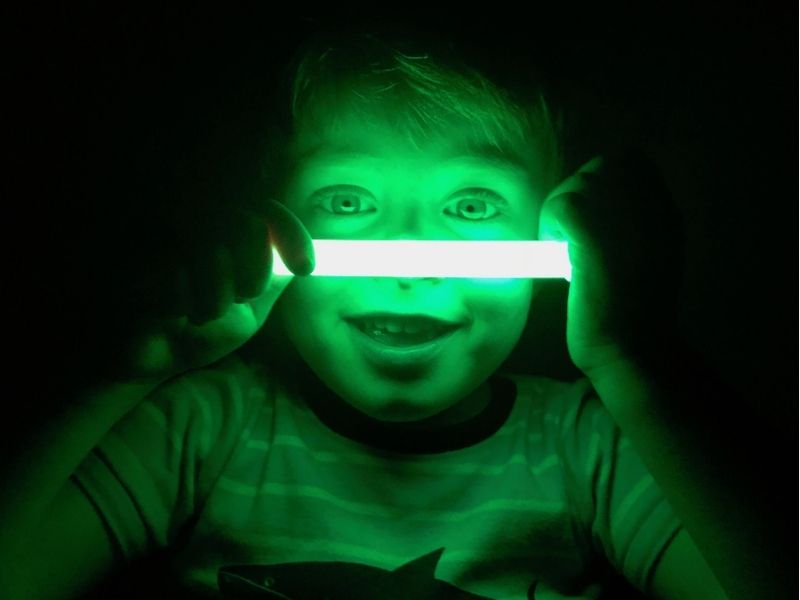
These entertaining illuminated tubes commonly seen at concerts and raves are not allowed in carry-on bags due to their liquid content.
Eachglow stick holds chemicalsthat produce the glowing effect when combined.
The TSA views this liquid content as a possible hazard, despite the tubes being closed and requiring breaking to reach the chemicals inside.
Small light sticks weighing less than 3.4 ounces that can fit in your liquid bag may technically be permitted, but rules are not always applied uniformly.
Most Transportation Security Administration officers will take them no matter the size, so if you’re going to a festival or concert, purchase your glow sticks at the event location.
Or adopt the 2026 option:Light-up items made with LED technology that have no liquid components.
13. Portable Power Sources and Battery Chargers
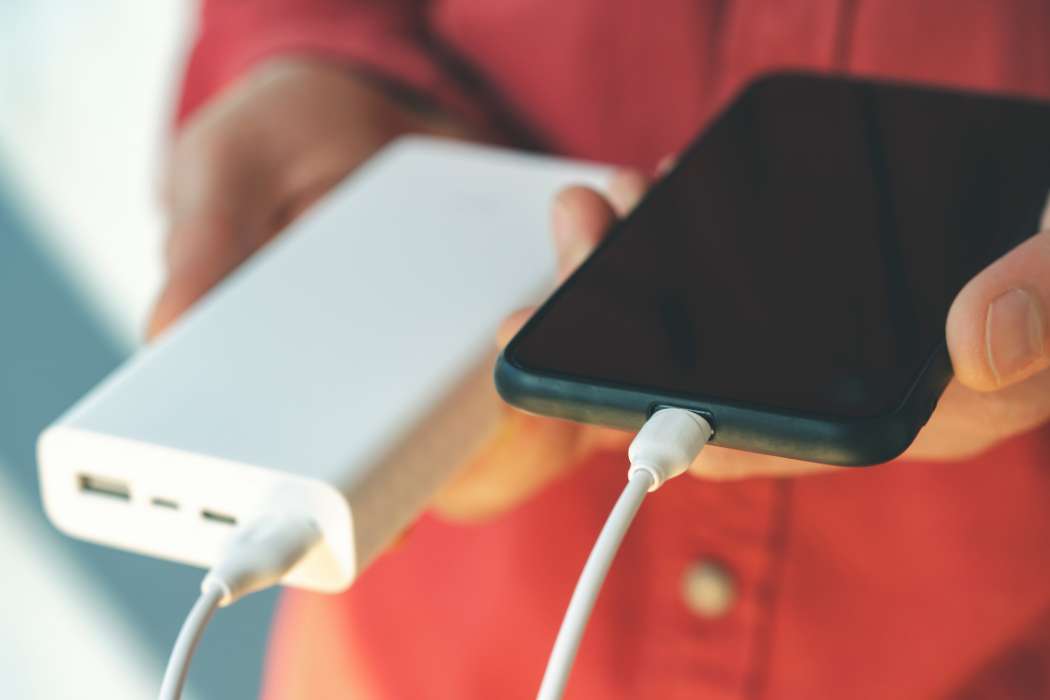
This is where the rules become particularly perplexing:Portable chargers like thisMust be placed in carry-on baggage — never in checked luggage.
Lithium-ion batteries present a fire hazard, yet the TSA prefers them to be carried in the cabin so that staff can address overheating issues, as opposed to the cargo hold where fires may go undetected.
Banks with a capacity exceeding 100 watt-hours must be approved by the airline, whereas those above 160 watt-hours are entirely not allowed.
Most typical portable chargers, such as this widely used model, are below 100 watt-hours, but you should verify your device’s specifications.
The consequence of mistakenly placing power banks in your checked baggage might result in your entire bag being removed from the flight.
Always, always make sure your portable chargers are placed in your personal item or carry-on bag. This is a rule that TSA enforces very strictly.
14. Ice Packs (Slightly Frozen)
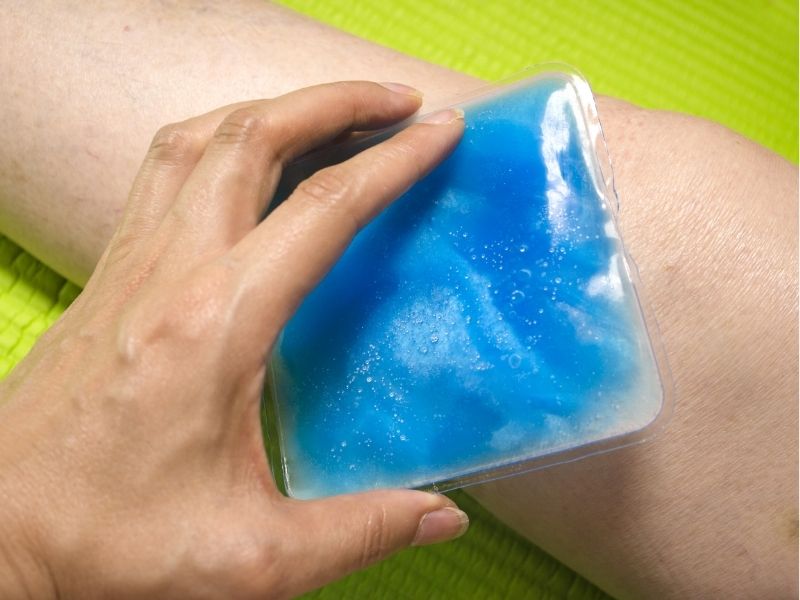
The ice pack regulations represent the height of TSA illogicality, and the unpredictability of this rule annoys even the most tolerant passengers.
- Totally hardened ice packs? Permitted in carry-on.
- Frozen gel packs that are only partially frozen? Seized right away.
The reasoning is that frozen water is considered a solid, not a liquid, and therefore allowed. However, when it begins to melt and turns into a gel-like substance, it goes against the liquids rule.
This leads to a difficult scenario: Your ice pack needs to stay fully frozen from the moment you leave your home until you pass through security.
Numerous travelers who brought medical items or perishable goods have found their carefully frozen ice packs taken away as they began to melt during the trip to the airport.
The TSA’s recommendation? Freeze it at the right moment or forget about it.
15. Jelly and Jam
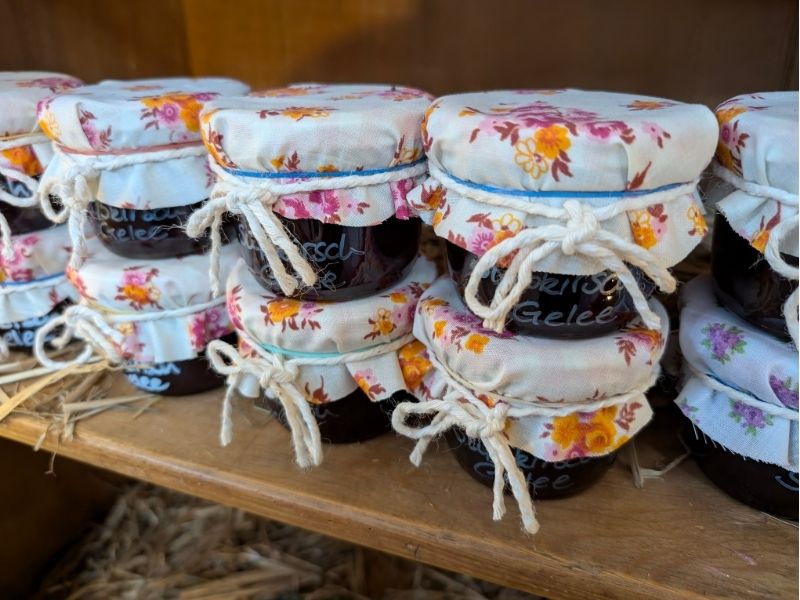
Your homemade blackberry jam from the local farmers market? It’s considered a “gel,” and thus falls under the 3.4-ounce TSA regulation.
This often surprises many travelers, particularly those who are bringing food items as gifts from their journeys.
The thick, spreadable texture is irrelevant to the TSA. For them, anything that isn’t fully solid is considered a liquid or gel.
Small jars of jam that can fit in a quart-sized bag are permitted, but most typical jam jars go beyond this size.
European travelers attempting to bring back unique jams frequently learn this regulation at security, seeing their carefully chosen high-end products discarded.
The solution?
Check your jam, send it back home, or prepare to purchase store-bought versions at your destination, or begin collecting 3-ounce jam jars.
16. Coconuts
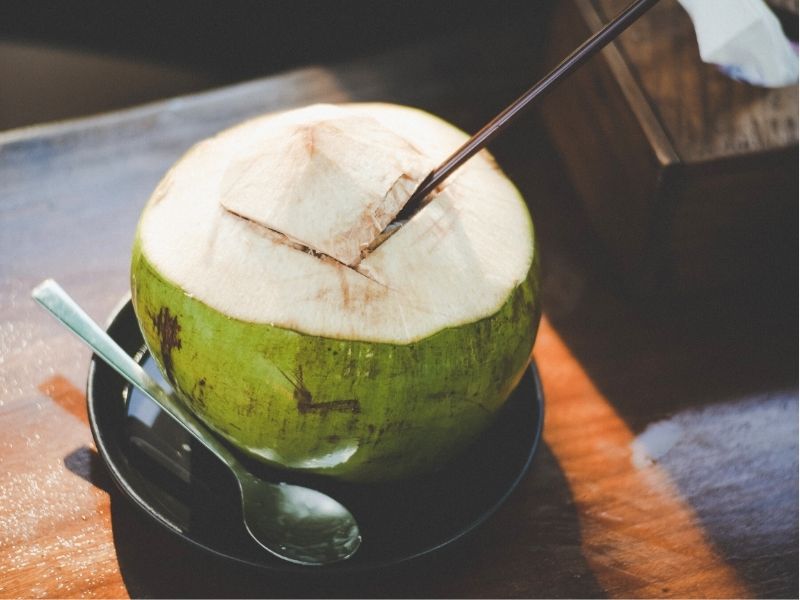
Entire coconuts are not allowed in carry-on bags due to TSA concerns that you could have drilled a hole and filled them with restricted items.
( Yes, you heard that correctly!)
The stated explanation is that the coconut’s tough outer layer might hide liquids, gels, or other hazardous substances.
Never mind that coconuts naturally have liquid, and that the coconut water inside is already a breach.
Shredded coconut and other coconut-based items are acceptable, but the entire tropical fruit you planned to take back from Hawaii needs to be checked.
Certain airports in tropical locations offer unique coconut-screening services for visitors.
TSA’s fear of coconuts has resulted in some humorous incidents at security screenings.
The simplest option? Purchase your coconut items already packaged instead of trying to move the entire fruit.
17. Electric Toothbrushes

As of 2025, electric toothbrushes that use lithium batteries are required to be placed in carry-on bags instead of checked luggage.
This contradicts the majority of TSA regulations and often surprises many travelers.
The logic is similar to that of power banks: lithium batteries have the potential to overheat and ignite, making them safer to monitor within the cabin rather than in the cargo area.
Your fancy SonicareOral-B electric toothbrush should remain with you, preferably turned off or with the power switch secured.
The TSA suggests taking out batteries when feasible, although many newer electric toothbrushes feature sealed battery cases.
This regulation also covers electric shavers and other battery-operated personal grooming devices.
Just keep in mind: All items containing a lithium battery must be placed in the carry-on, even if it feels counterintuitive.
18. Cutting Boards
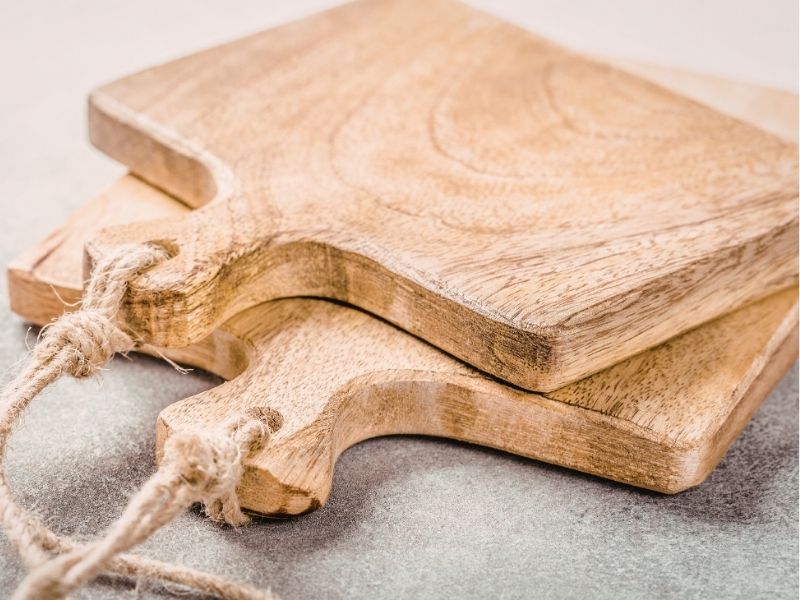
Cutting boards fall into TSA’s most favored ambiguous category, meaning they are “at the discretion of the TSA officer.”
In technical terms, cutting boards are not specifically prohibited in carry-on bags.
In practice, numerous agents view them as possible weapons since they are a solid object that might be utilized to hit someone.
Your experience can differ significantly based on the airport, the officer, and likely their mood on that particular day.
Wooden cutting boards tend to be more favorable compared to heavy plastic or bamboo options, and smaller cutting boards are more likely to be permitted than larger ones.
If you’re carrying an expensive or meaningful cutting board, checking it is the only way to ensure it arrives safely.
Alternatively, you’re relying on the judgment of TSA agents, which is always a risky choice.
19. Corkscrew tools with Wine Bottle Openers (Including Very Small Ones)
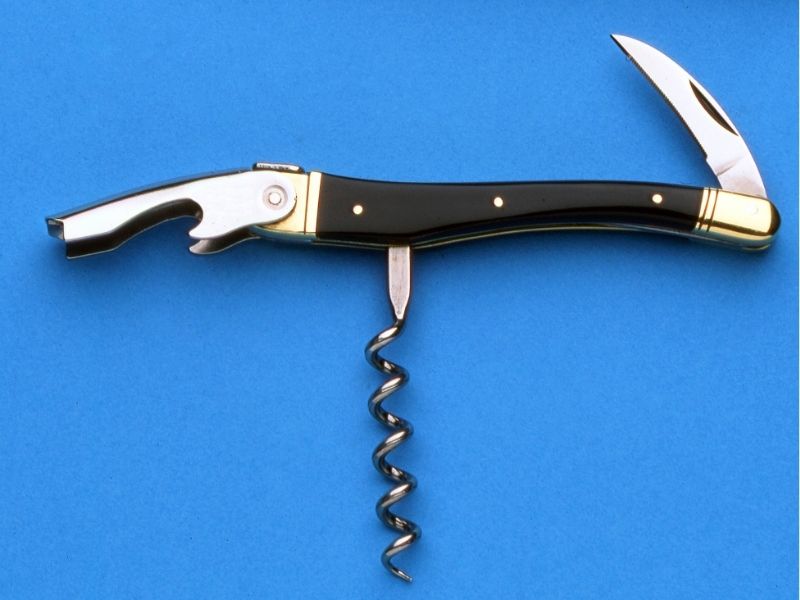
That convenient waiter’s corkscrew featuring a small blade for cutting foil is not allowed in carry-on bags.
Although the blade is usually less than an inch in length, the TSA categorizes it as a knife.
The corkscrew part is acceptable; it’s specifically the small blade that causes it to be prohibited on flights.
This regulation irritates wine lovers who wish to open bottles in their hotel rooms.
You may carry corkscrews without blades in your carry-on luggage, or you can check multi-tool versions that include a blade.
The Transportation Security Administration enforces rigid regulations regarding knives, allowing no exceptions based on blade length for items brought on board.
Numerous travelers have had their preferred corkscrews taken by security bins, unaware that the small foil cutter was the issue.
We suggest youpurchase this TSA-approved bladeless corkscrew for traveling, or accept the need to request assistance from hotel employees.
20. Liquid Vitamins

Liquid vitamins, supplements, and medicines are governed by the 3.4-ounce regulation unless they meet the criteria for medical exceptions.
That container of liquid vitamin D or fish oil must be 3.4 ounces or less,place these liquids in the TSA-approved bag, or place in checked baggage.
Medical exceptions are available, but they necessitate appropriate paperwork and prior notice.
You must declare liquid vitamins individually at security and could be required to demonstrate their medical necessity.
Many tourists prefer to use pill or gummy vitamins when traveling.
If you need to carry liquid vitamins, having a doctor’s note can be helpful, but the TSA may still enforce the usual rules for liquids.
The best strategy? Pack sufficient quantities in TSA-compliant liquid containers, purchase them upon arrival, or opt for different types of supplements.
What Belongs in Your Checked vs. Hand-Carry Baggage
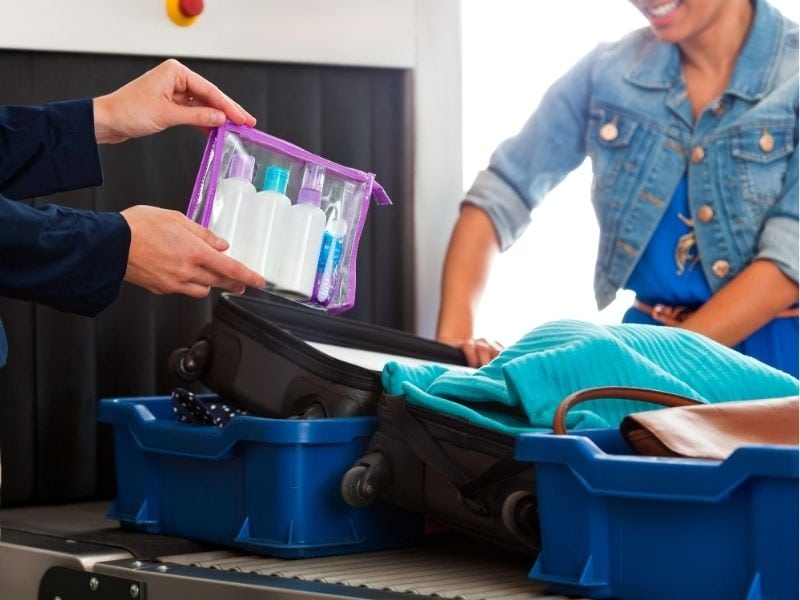
Knowing where things should be can prevent major issues at security.
Checked luggageapplies to liquids in containers larger than 3.4 ounces, sharp items, tools longer than 7 inches, full-sized personal care products, souvenir snow globes, spreads such as peanut butter and Nutella, gel candles, and any item the TSA deems a possible threat.
Carry-on luggageshould include lithium batteries, power banks, electronic gadgets, important items, medications required during the journey, and any necessities that you cannot afford to lose if your checked luggage is misplaced.
The essential thing is to pose questions such as: “Could this serve as a weapon?” “Does it include liquids or gel?” “Does it have a battery?”
If the answer is yes to any of those, or if you’re unsure,Check the TSA website here prior to packing.
How the TSA Determines Prohibited Items
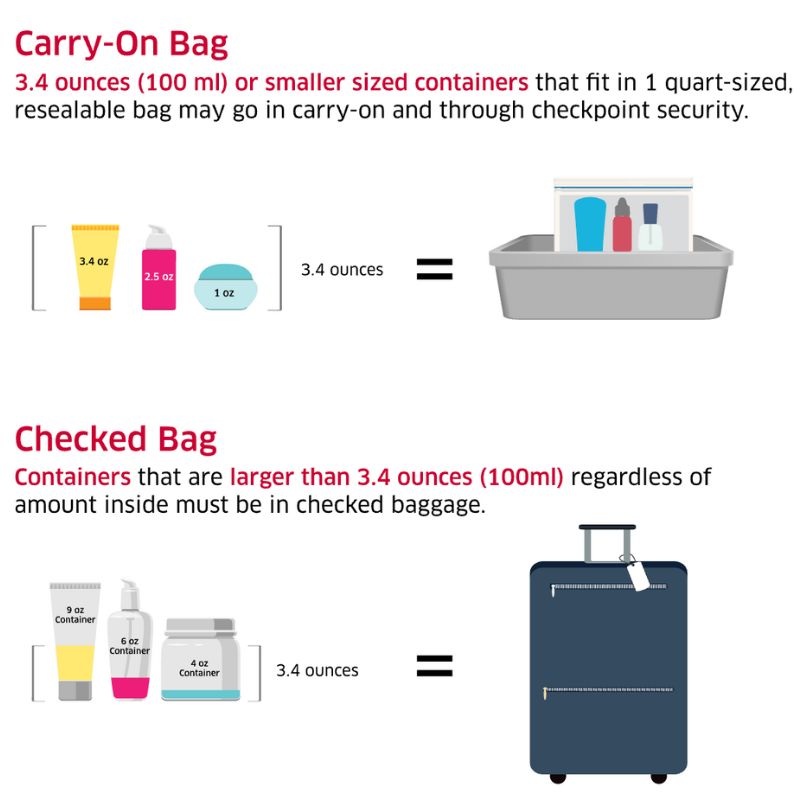
The list of prohibited items from TSA may appear arbitrary, but there is typically a logical explanation for the seemingly chaotic rules.
- The3-1-1 liquids rulefollowed a 2006 plan to employ liquid explosives on aircraft.
- There are limitations on tools because they might be utilized as weapons or to interfere with aircraft.
- New regulations for batteries were introduced following several fires resulting from lithium-ion batteries overheating in aircraft cargo areas.
Every apparently absurd rule typically originates from a particular event or genuine danger.
The TSA allows individual officers the ability to prohibit objects not specifically mentioned if they appear to pose a risk.
This is why regulations can seem unpredictable (and annoying), as one representative may permit something while another could take it away.
The organization frequently updates its list in response to emerging threats, advancements in technology, and incident reports from airports around the globe.
What to Accomplish if You Accidentally Pack Incorrectly
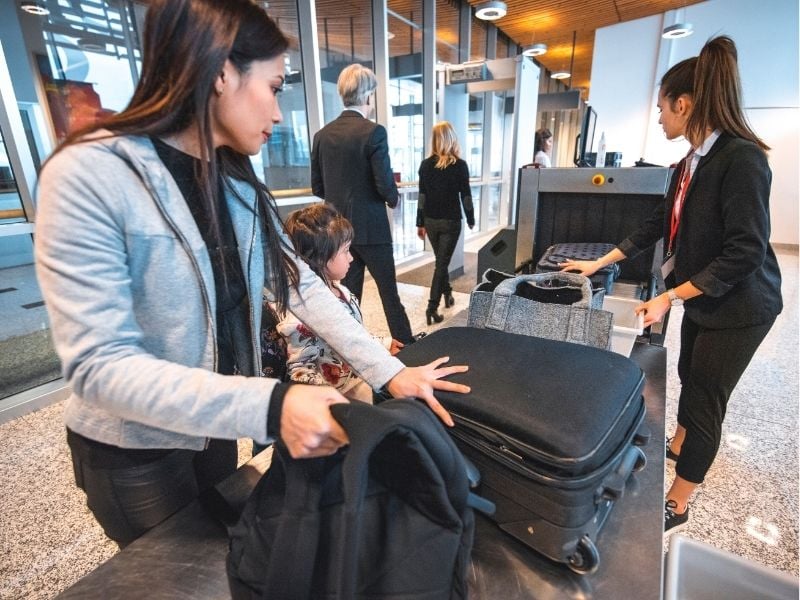
Did you unintentionally include a restricted item? Stay calm. You have a few choices at the security checkpoint:
- You may go back to the ticket booth and inquire about the item if you have time before your flight.
- Several airports offer mail counters where you can send items back home.
- You may inquire if someone accompanying you who is not flying can return the item.
- Or you may easily give up the item andit will be taken and discarded.
No matter what you do, avoid attempting to conceal banned items or deceive TSA officers, as this could lead to penalties or potential arrest.
If you become aware of your error before arriving at the security checkpoint, notify the airline right away.
Above all, avoid arguing with TSA officers because they are following established rules, not creating them on the fly.
Travel Hacks: Allow additional time during busy travel periods (particularly)Christmas) when security queues are longer and the screening process is more rigorous.
At the End, This Ensures Our Safety
Indeed, certain TSA regulations appear ridiculous (such as prohibiting Magic 8 Balls and Nutella) and come across more as symbolic gestures than genuine safety measures.
However, the truth is that air travel safety demands a strict no-negotiation policy.
The liquid regulation was introduced due to attempts by terrorists to use liquid explosives, while restrictions on batteries exist because lithium-related fires have led to emergency landings.
Every apparently foolish rule originated from a genuine danger or event, so rest assured TSA officers do not take pleasure in seizing children’s toys or grandma’s jam.
They are adhering to procedures aimed at preventing another 9/11 (or something more severe).
Could the system be more rational and uniform? Definitely.
Nevertheless, while the TSA continues to improve its technology for identifying dangers without these extensive limitations, we remain subject to regulations that can seem absurd.
The hassle of packing efficiently is worthwhile if it ensures that everyone reaches their destination safely.