The Middle East, situated at the intersection of continents and cultures, has historically been a central hub in global political affairs. Its strategic significance, abundant energy resources, and intricate network of partnerships and conflicts make it a constantly evolving stage where military preparedness is essential. In this high-pressure setting, the United States Air Force regularly carries out exercises aimed at assessing and improving its abilities, ensuring it can act quickly and effectively in response to any situation. A recent statement from Navy Media announced an ongoing U.S. Air Force exercise in the Middle East, with a specific emphasis on measuring the swiftness and effectiveness of its operations. This is more than just a routine training session; it serves as a key indicator of the Air Force’s flexibility and a clear demonstration of its long-term dedication to maintaining stability in the region.
For individuals curious about the unfiltered footage and early information regarding this important event, the YouTube video below from Navy Media offers an immediate look at the preparations and main objective of these essential exercises. It highlights the ongoing alertness and thorough training that characterize contemporary air force capabilities.
The Rhythm of Preparedness: Grasping the Military Drills in the Middle East
The U.S. Air Force’s role in the Middle East has been a consistent element, shaped by many years of changing strategic goals and security issues. As noted by Navy Media, this multi-day exercise is not merely a standard training activity; it plays a key part in sustaining that presence and securing operational dominance. At its heart, military exercises fulfill several important purposes:
- Readiness Assessment:They provide opportunities for forces to evaluate their equipment, staff, and protocols in real-world scenarios, highlighting advantages and areas needing improvement.
- Skill Enhancement:Aviators, maintenance crews, supply teams, and leadership personnel enhance their abilities, adjust to emerging technologies, and rehearse intricate operations.
- Interoperability:Frequently, these activities include partner countries, promoting smooth cooperation and information exchange for possible combined missions.
- Deterrence:A noticeable demonstration of skill and preparedness conveys a strong signal to possible enemies, deterring hostile actions.
- Adaptation:The contemporary battlefield is always changing. Drills offer chances to evaluate emerging strategies, methods, and equipment against imagined dangers.
The emphasis on “how quickly” the Air Force can act clearly highlights the concept of agility and fast reaction. In an area vulnerable to sudden changes and new dangers, the capability to deploy power, secure air dominance, and offer assistance with little delay is not merely beneficial—it’s essential. This involves evaluating everything from the quick deployment of planes and staff to effective maintenance in harsh conditions and rapid choices within the command structure. These drills replicate the intense situations of real combat, enabling the Air Force to identify and fix issues in their operational process and remain always a step ahead.
The U.S. military’s involvement in the Middle East has a long history, beginning after World War II and growing substantially following the 1990-91 Gulf War. Missions such as Southern Watch, Northern Watch, Iraqi Freedom, and Enduring Freedom have created a deep operational understanding of the region within the U.S. military. This historical background influences the planning and implementation of current training exercises, ensuring they tackle both ongoing and new threats. The Middle East is not a single, uniform area; it includes large deserts, important waterways like the Strait of Hormuz, mountainous regions, and heavily populated cities. Each of these settings brings specific challenges for air operations, including extreme weather conditions, sandstorms, complicated air defense systems, and the necessity for accurate strikes in areas with many civilians. As a result, an exercise in this area must be thorough, testing all aspects of airpower against a wide range of environments.
The Crucible of Command: Why the Middle East Holds Strategic Importance
To fully comprehend the importance of a U.S. Air Force exercise in the Middle East, it is essential to first recognize the region’s unmatched strategic value. It serves as a geopolitical hotspot, a diverse mix of countries, cultures, and conflicting interests that greatly influences global stability and economic conditions. Various elements contribute to its crucial position:
- Energy Hub:The Middle East holds the world’s biggest known reserves of oil and natural gas. Manipulation or interruption of these resources and their transportation routes (such as the Strait of Hormuz and the Suez Canal) can have major effects on the global economy, influencing everything from gasoline prices to production expenses. Maintaining the uninterrupted movement of energy is a key U.S. strategic priority.
- Maritime Chokepoints:In addition to energy resources, the region contains essential maritime bottlenecks. The Strait of Hormuz, which links the Persian Gulf to the open sea, is considered the most important. A large amount of the world’s oil transported by sea moves through this narrow passage each day. The Bab el-Mandeb Strait and the Suez Canal are also vital for global commerce. Ensuring these water routes remain open and safe is a fundamental aspect of U.S. and global security.
- Regional Tensions and Major Nation Rivalry:The Middle East is a center of regional disputes and proxy wars, frequently involving both state and non-state entities with different beliefs and objectives. Examples include the Israeli-Palestinian conflict, the civil wars in Syria and Yemen, and ongoing hostilities with Iran, all of which carry a constant risk of intensification. Additionally, the area has turned into a battleground for major global powers, as Russia and China expand their diplomatic and economic presence, threatening long-standing American influence.
- Counter-Terrorism Operations:For many years, the Middle East has served as a major front in the struggle against extremist organizations such as ISIS and Al-Qaeda. Although their physical control over areas has decreased, the ideological danger remains, demanding ongoing attention, intelligence collection, and the ability to conduct swift counter-terrorism operations. Airpower plays a crucial role in these initiatives, offering surveillance, intelligence gathering, and accurate strike capabilities.
- Protection of Allies:The United States has robust alliances with various nations in the area, such as Saudi Arabia, the United Arab Emirates, Qatar, Bahrain, Kuwait, and Israel. These relationships are essential for maintaining stability in the region, exchanging intelligence, and presenting a united stance against shared challenges. Military exercises strengthen these ties and show dedication to their safety.
The operational setting in the Middle East is highly varied and demanding. Pilots and support teams face extreme temperatures, expansive desert landscapes, intricate urban areas, and the ongoing risk of advanced anti-access/area denial (A2/AD) systems. These systems, typically provided by opposing nations, can hinder aircraft operations, requiring innovative strategies and cutting-edge technology to counteract them. As a result, an exercise in this area goes beyond just flying aircraft; it involves mastering complicated logistics, functioning in contested airspaces, and coordinating effectively with partner forces to meet strategic goals.
Agile Combat Employment (ACE): The “Speed” Element
The video’s description clearly states the exercise’s emphasis on “how quickly” the U.S. Air Force can function. This important point directly relates to a major change in military strategy known asAgile Combat Employment (ACE). ACE is more than just a trendy term; it represents a groundbreaking idea aimed at tackling the complexities of contemporary combat, especially when facing advanced opponents.
What is ACE and What Led to Its Creation?
In conventional U.S. military planning, especially during the Cold War and after the 9/11 attacks, major, well-established airbases were the main centers for air power. These “large, stationary, and vulnerable” bases, although effective for prolonged missions, are susceptible to contemporary long-range accurate attacks. In a time of growing rivalry with technologically sophisticated countries, depending on a limited number of easily identifiable locations is a major risk.
ACE was created to address this weakness. It is a forward-thinking and responsive operational approach that moves airpower production from centralized, vulnerable bases to a system of smaller, spread-out, and frequently temporary sites. The main concept is to enhance the resilience, flexibility, and difficulty of targeting U.S. airpower by an enemy.
Essential Elements and Their Evaluation in Activities:
- Rapid Redeployment and Dispersal:Rather than relying on one or two primary bases, ACE seeks to enable aircraft and support units to swiftly transition between various sites—such as remote, unpaved airstrips or even roads. This exercise probably evaluates the Air Force’s capacity to rapidly deploy fighter jets, bombers, and support aircraft to unforeseen places, establish operations, and then relocate again.
- Minimal Footprint Operations:ACE focuses on conducting operations with a reduced number of personnel and minimal equipment at each isolated site. This approach demands highly effective logistics and versatile airmen capable of handling various responsibilities outside their main area of expertise (such as a crew chief assisting with security or refueling). The exercise would assess the efficiency and rapid response of these streamlined teams.
- Multi-Capable Airmen:This is a fundamental aspect of ACE. Airmen receive training to carry out duties beyond their main Air Force Specialty Code (AFSC). For example, a mechanic could also be trained in refueling or fundamental security. This minimizes the number of staff required at each remote location, increasing flexibility. The exercise would evaluate the real-world use of these broader capabilities under stressful conditions.
- Contested Logistics:Providing support to scattered units in a conflict zone presents a significant difficulty. ACE drills aim to evaluate robust supply lines, different transportation techniques, and the capacity to function for long durations with minimal resupply. This covers all necessities such as fuel and ammunition, replacement components, and provisions.
- Command and Control (C2) in a Challenging Setting:When forces are spread out over a wide area, ensuring clear communication and command becomes more challenging, particularly if conventional communication networks are disrupted or damaged. Drills evaluate robust command and control systems, satellite communication capabilities, and the capacity of lower-level units to make independent decisions while staying aligned with the overall commander’s objectives.
- Compatibility with Allies and Partners:ACE frequently includes collaboration with local national forces, leveraging their facilities, and combining their abilities. This exercise would certainly challenge how smoothly U.S. forces can merge with Middle Eastern allies, exchanging resources and tactical protocols.
In the Middle East, ACE holds significant importance. The large, often sparsely inhabited areas provide many possible locations for austere operations. The capability to quickly move forces, create multiple challenges for an enemy, and operate from unforeseen places greatly complicates an opponent’s targeting strategy. This exercise, which emphasizes “speed,” is directly enhancing the Air Force’s ability for distributed operations, ensuring it stays a highly effective and resilient force in an ever-changing global security environment.
Iron Wings and Tactical Power: Resources Utilized and Abilities Evaluated
A multi-day operation of this scale in the Middle East typically requires a substantial use of U.S. Air Force resources, with each unit offering distinct abilities. Although particular aircraft models are usually not revealed for security reasons, we can estimate the probable contributors and the wide range of skills being evaluated by considering standard U.S. Air Force procedures and the strategic requirements of the region.
Common U.S. Air Force Equipment Used:
- Combat Aircraft (F-15E Strike Eagle, F-16 Fighting Falcon, F-22 Raptor, F-35 Lightning II):These are the key assets for dominance in the air and accurate attack missions.
- F-15E/F-16:Recognized for their adaptability in both air-to-air and air-to-ground operations, frequently serving as a core component of fighter squadrons on deployment.
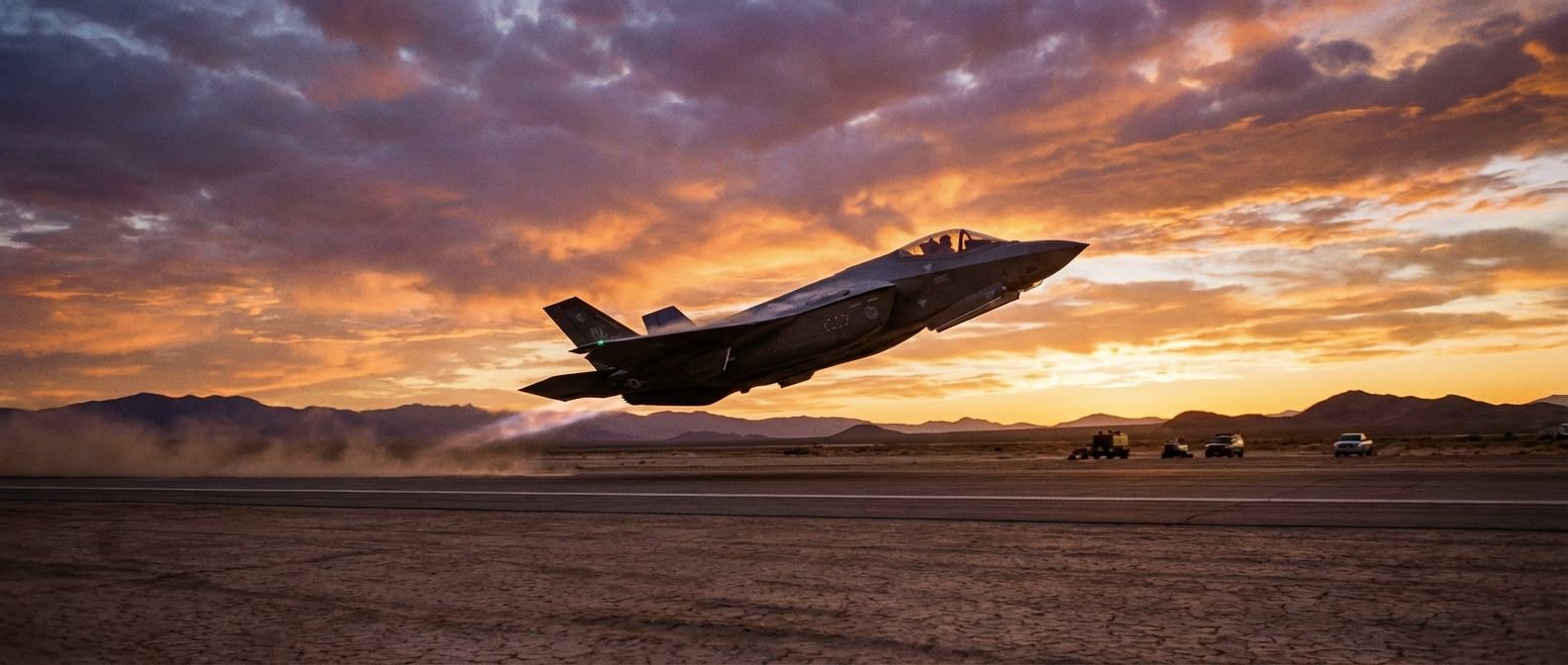
- F-22/F-35:Fifth-generation stealth aircraft play a vital role in entering contested airspaces, securing air dominance, and carrying out sophisticated surveillance and targeted attacks. Their deployment demonstrates a dedication to staying ahead technologically.
- Strategic Bombers (B-52 Stratofortress, B-1B Lancer, B-2 Spirit):Although not consistently deployed for training, bombers frequently engage in long-distance strike operations launched from locations beyond the immediate area of operation, showcasing their worldwide capability and strategic warning. Their participation in a training exercise would assess command and control, extended navigation, and coordination with regional forces.
- Tanker Aircraft (KC-135 Stratotanker, KC-46 Pegasus):Essential for increasing the range and longevity of fighter and bomber planes. Air-to-air refueling enables missions to be carried out across great distances without the need to return to base, improving strategic adaptability. A drill centered on “speed” of operations would depend greatly on the effectiveness of tanker assistance.
- Transport Planes (C-130 Hercules, C-17 Globemaster III):Crucial for quickly transporting people, gear, and materials to widely spread operational areas, especially in an ACE situation. The C-17, due to its capability to operate from rough airstrips, is especially important for setting up forward bases.
- Intelligence, Surveillance, and Reconnaissance (ISR) Capabilities (E-3 Sentry AWACS, RC-135 Rivet Joint, different UAVs):These systems offer essential situational understanding on the battlefield, command and control functions, electronic warfare support, and intelligence collection, all of which are essential in contemporary conflicts or training scenarios.
Capabilities Being Tested:
The “how fast” element of the task suggests a thorough evaluation of multiple skills, frequently at the same time:
- Suppression of Enemy Air Defenses/Destruction of Enemy Air Defenses (SEAD/DEAD):Employing strategies to counter or bypass advanced enemy air defense systems, an essential skill for securing air dominance.
- Air-to-Air Combat:Enhancing aerial combat abilities and long-range encounters with virtual opponents.
- Precision Strike:Providing precise weaponry to the intended target, typically in challenging or city settings, while reducing unintended harm.
- Electronic Warfare (EW):Employing interference and other electronic tactics to hinder enemy communication and radar systems.
- Cyber Defense and Offense:Safeguarding American networks against cyber threats while possibly carrying out proactive cyber activities to hinder enemy systems.
- Logistics and Sustainment:The capacity to swiftly refuel, reload, and fix aircraft at remote, possibly challenging, locations. This involves the fast deployment of maintenance crews and replacement parts.
- Personnel Recovery:Performing drills to recover pilots or personnel stranded in enemy areas.
- Command and Control (C2):Evaluating the strength and efficiency of communication methods and decision-making procedures during challenging situations, especially within a widely distributed operational setting.
- Joint and Coalition Interoperability:Effortlessly combining U.S. Air Force resources and personnel with other U.S. military branches (Navy, Army, Marines) and, importantly, with allied forces from partner countries in the Middle East. This involves common strategies, communication standards, and awareness of each other’s strengths.
In the end, this exercise serves as a thorough test of the U.S. Air Force’s capacity to quickly and efficiently deploy and maintain airpower in one of the most critical and demanding areas globally. It focuses on showcasing more than just raw power, but rather the smart, flexible, and responsive use of that power.
Building Partnerships and Preventing Rivals: The Wider Consequences
In addition to assessing immediate operational preparedness, a U.S. Air Force exercise in the Middle East has significant wider consequences, affecting international relations, regional stability, and global security. These training sessions are not carried out in isolation; they are precisely planned displays of power, dedication, and collaboration.
Involvement of Ally Nations: Enhancing Partnerships
With very few exceptions, U.S. military training operations in the Middle East include allied countries. Nations such as Saudi Arabia, the United Arab Emirates, Qatar, Bahrain, Kuwait, and Jordan regularly take part, typically welcoming U.S. troops and combining their own military resources with the exercises. This partnership fulfills a number of essential objectives:
- Building Trust and Rapport:Joint training activities help build personal connections and shared understanding among military members from various countries. This human aspect is essential for successful collaboration during actual emergencies.
- Enhancing Interoperability:Engaging in joint training helps military forces refine variations in communication systems, operational methods, and tactical strategies. This promotes the ability of allied troops to function as a unified force during an emergency instead of operating as separate groups.
- Knowledge Sharing and Skill Development:American military personnel frequently exchange optimal methods, cutting-edge strategies, and technical expertise, assisting allied countries in enhancing their own defense systems. This fosters a more robust and effective regional security framework.
- Demonstrating Unity:Joint training drills convey a strong signal of solidarity and determination to possible opponents, demonstrating that the U.S. and its allies are united in facing challenges.
Deterrence: Conveying a Strong Statement
A key strategic goal of large-scale military drills is to prevent conflict. Through open displays of its capacity to quickly mobilize, function efficiently, and maintain air strength in the area, the U.S. Air Force conveys a clear warning to any possible opponent considering hostile moves. This warning has several dimensions:
- Capability:We have the technology, education, and assets needed to demonstrate substantial strength.
- Commitment:We are dedicated to ensuring the safety of our allies and maintaining peace in the area.
- Readiness:We can act quickly and efficiently against any threat, questioning the idea of a ‘safe’ period for hostile actions.
The “how quickly” element of this exercise significantly strengthens deterrence. A potential adversary is less inclined to take action if they understand that U.S. airpower can be deployed rapidly and from unforeseen places, making their planning more difficult and raising their chances of being caught off guard.
Comfort: Confirming Dedication to Local Stability
For U.S. allies and partners in the Middle East, these drills offer essential reassurance. They show that the U.S. continues to be a dependable security ally, dedicated to ensuring regional stability and addressing threats. In a turbulent area, this assurance is critical for sustaining trust and deterring disruptive actions from other entities.
Preparing for Actual Situations: More Than Just Practice Exercises
Although an exercise is a simulated activity, the abilities developed and the knowledge gained can be effectively applied to various real-life situations:
- Humanitarian Assistance and Emergency Response:The ability to swiftly deploy resources and manage logistics, as demonstrated in training exercises, can be rapidly adapted for humanitarian efforts, such as providing assistance following a natural catastrophe.
- Crisis Response:The capacity to quickly deploy troops is essential for addressing unexpected emergencies, such as the evacuation of individuals or immediate action.
- Combat Operations:In the end, these training exercises represent the most realistic simulation of real combat that the military encounters outside of actual warfare. They guarantee that when the time for action arrives, the U.S. Air Force is ready, skilled, and capable of achieving its objectives.
At its core, this U.S. Air Force operation in the Middle East is a vibrant, multi-faceted effort. It showcases ongoing learning, flexibility, and steadfast dedication, ensuring that the “iron wings” of American air strength stay sharp, responsive, and prepared to tackle the intricate challenges of the 21st century.
Final Thoughts: The Lasting Alertness of Air Power
A multi-day training event conducted by the U.S. Air Force in the Middle East, emphasizing swift operational pace, highlights the ongoing commitment necessary to safeguard global stability. It goes beyond routine exercises; it’s an active showcase of flexibility, advanced technology, and the dedication of its personnel. Through the complex coordination of Agile Combat Employment and the strong performance of its varied aircraft fleet, each component is aimed at ensuring the Air Force can react with exceptional speed and accuracy to the diverse challenges found in one of the world’s most significant areas.
These activities highlight the critical significance of the Middle East, emphasize the importance of robust global partnerships, and deliver a clear signal of deterrence to those who might attempt to create instability in the area. For the airmen and women participating, it’s a chance to refine their abilities, challenge limits, and build a stronger, more capable force. For the international community, it showcases the lasting watchfulness of American air power, always prepared to defend interests, support allies, and maintain the free movement of trade and information. In a world that is constantly changing, the rapid response capability of forces such as the U.S. Air Force continues to be a vital element of peace and security.